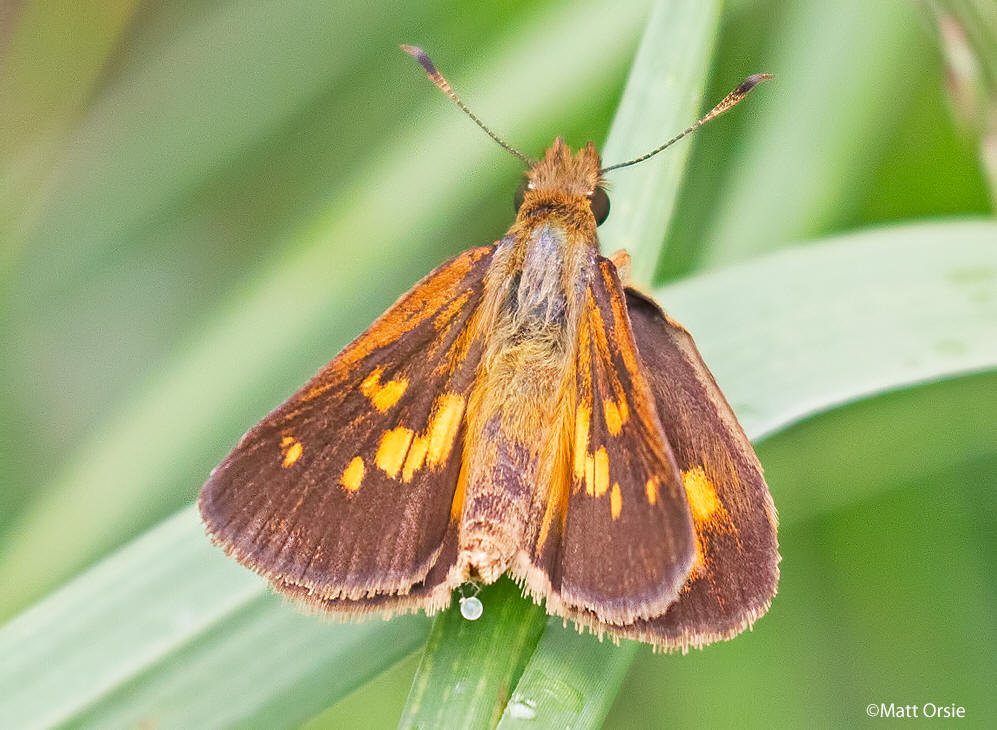
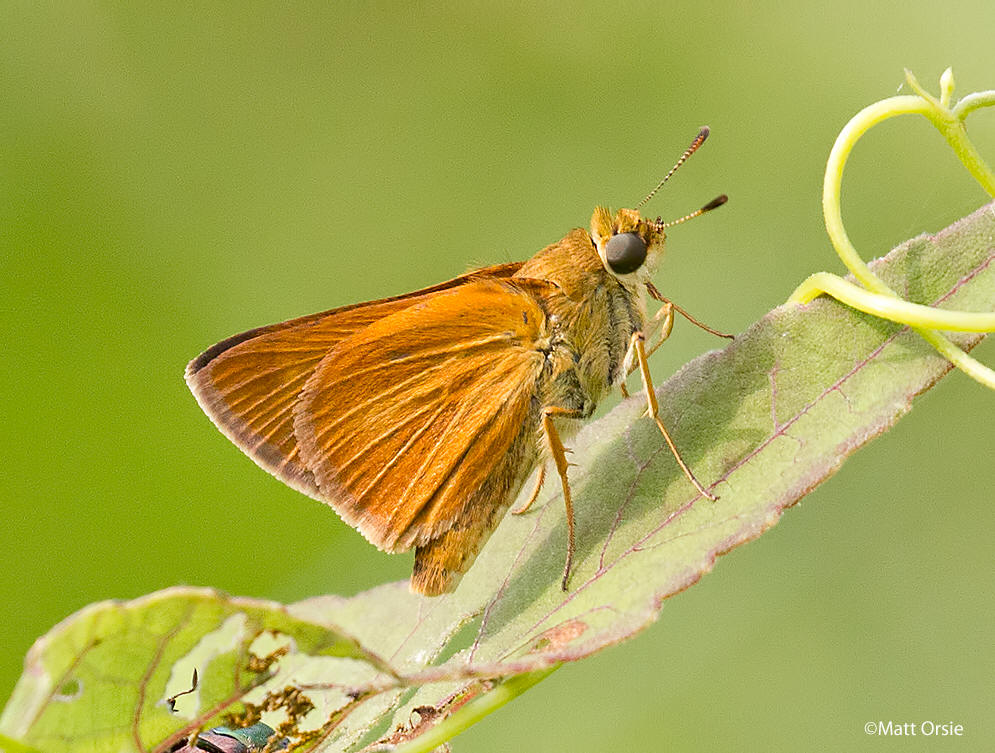
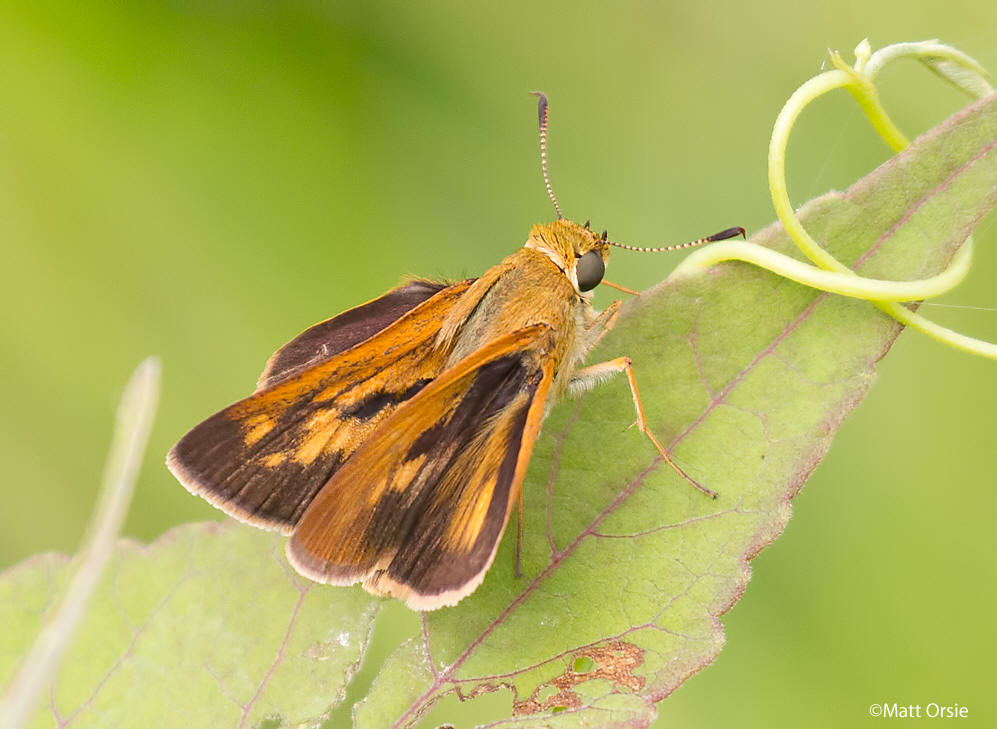
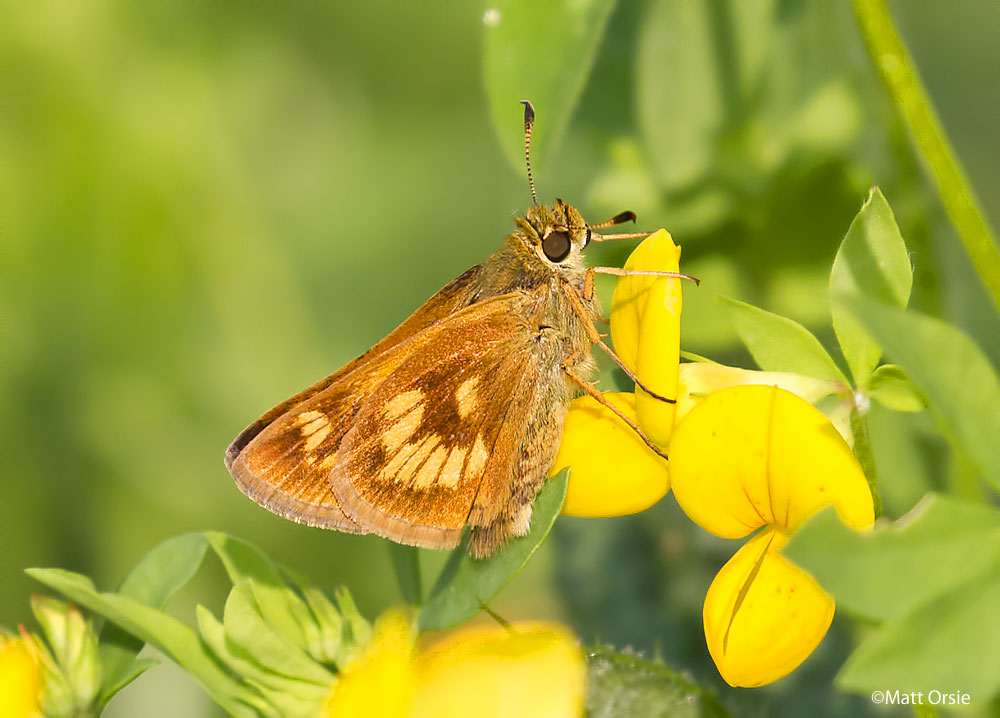
Butterflies of the Wasatch

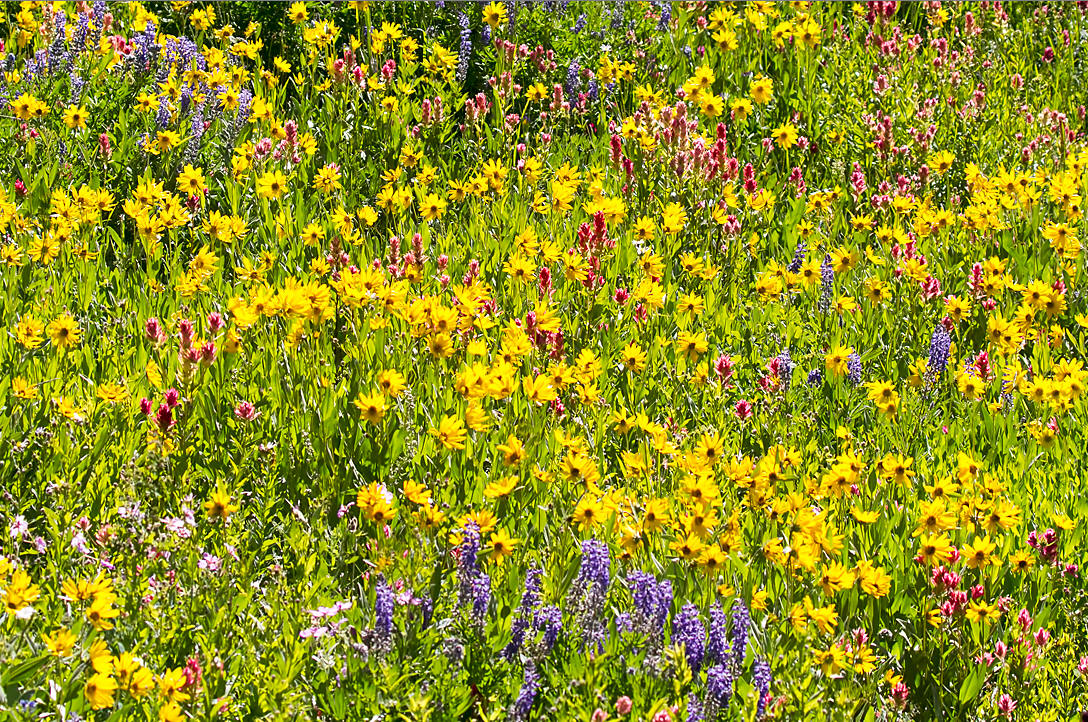
I recently returned from a week of business in the Salt Lake City area. I managed to shake free for several hours over two different days to seek out buttflies of the high elevations within the nearby Wasatch range. The areas visited were Guardsman Pass which in the summer months takes you past fields of wildflowers, flanked by evergreens, aspen trees and other lush mountain foliage. The other area visited was in one of the world reknown ski resorts, Alta. Wildflowers were everywhere at these higher elevations displaying a resplendent carpet of color. Even if there were no butterflies to be found it was easy to be distracted by the majestic spires surrounding you and the profusion of flowers.
Alta wildflowers
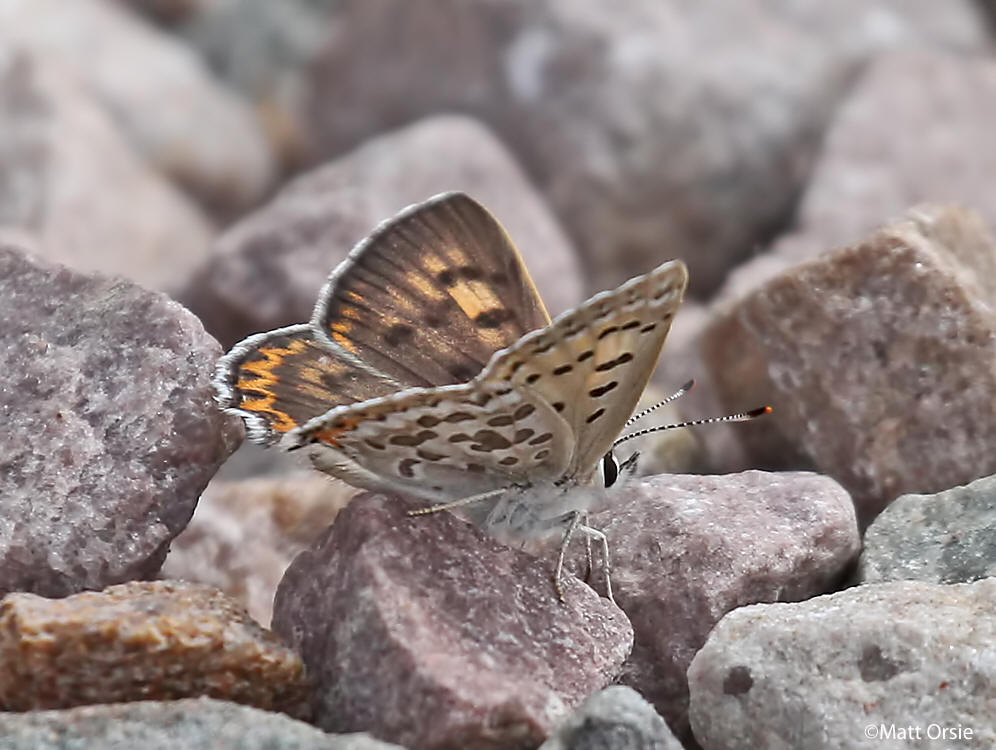
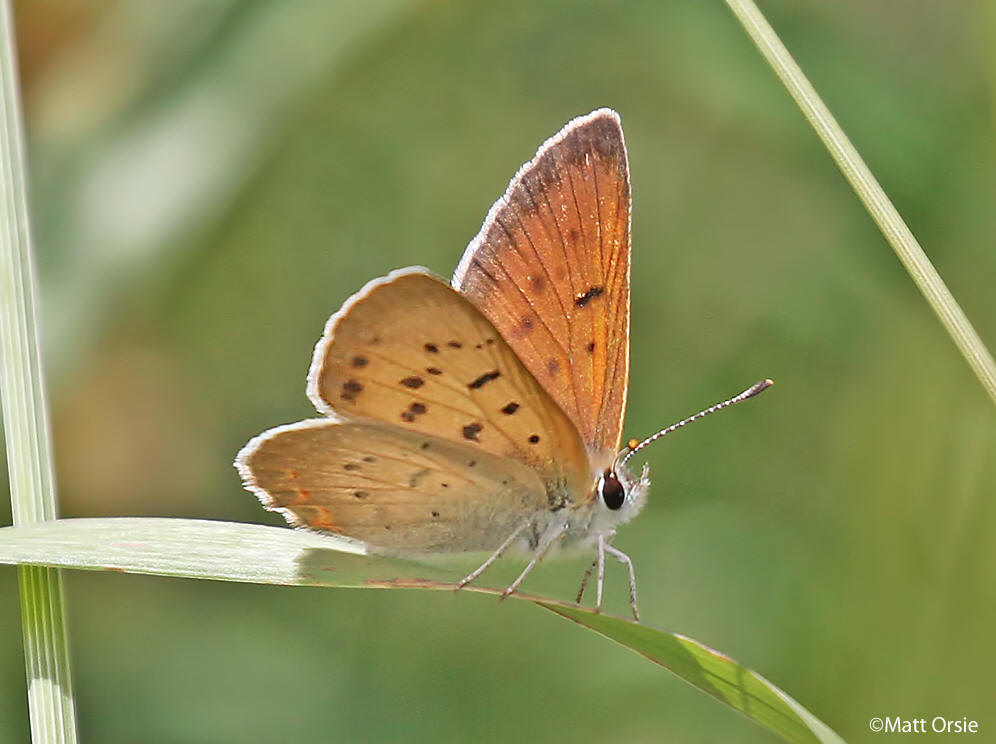
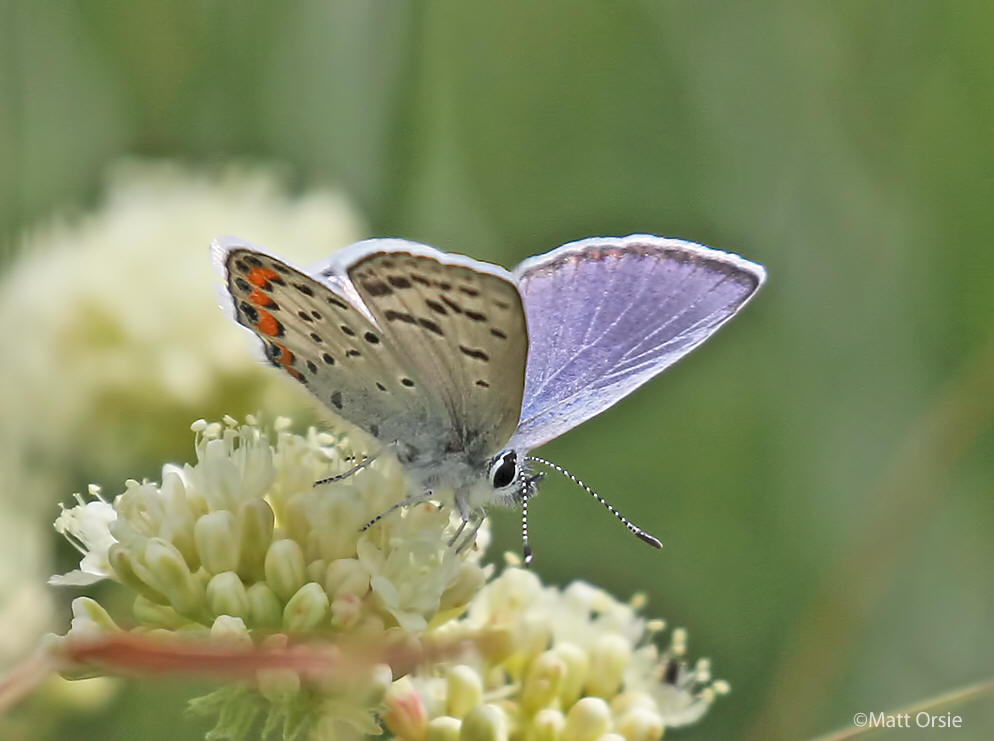
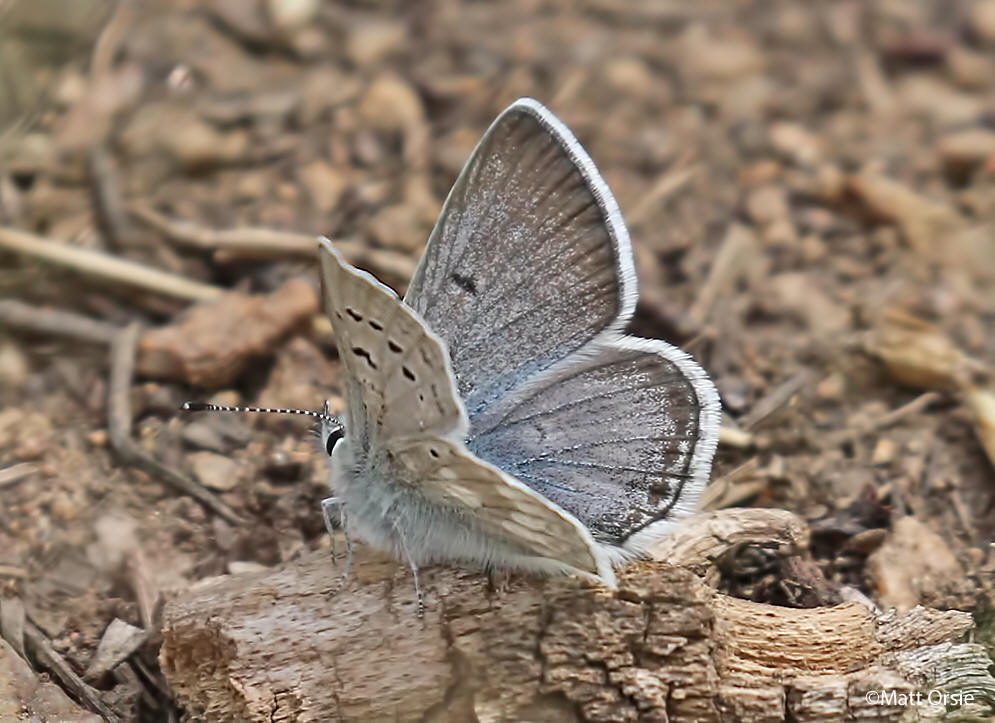
It takes a while for the highest elevations to warm sufficiently for leps to start their daily chores. I arrived at Guardsman Pass at 10:00am and it was 57 degrees (it was around 80 in the valley below). As crept between the flowers on sunlit hillsides slowy but surely more and more butterflies were seen on the wing or basking. By far gossamer wings ruled the day with Coppers and Blues in good numbers. Saw my first Mormon Fritillaries not long afterwards. They are among the smallest of the Greater Fritillaries but their wing shape gives them away when compared to Lesser Fritillaries (like Meadow or Silver-boardered in our local region). I spent the better balance of the day within a few miles east or west of the pass between 7,000 and 10,000 feet with a brief drop down to Heber City to grab some lunch.

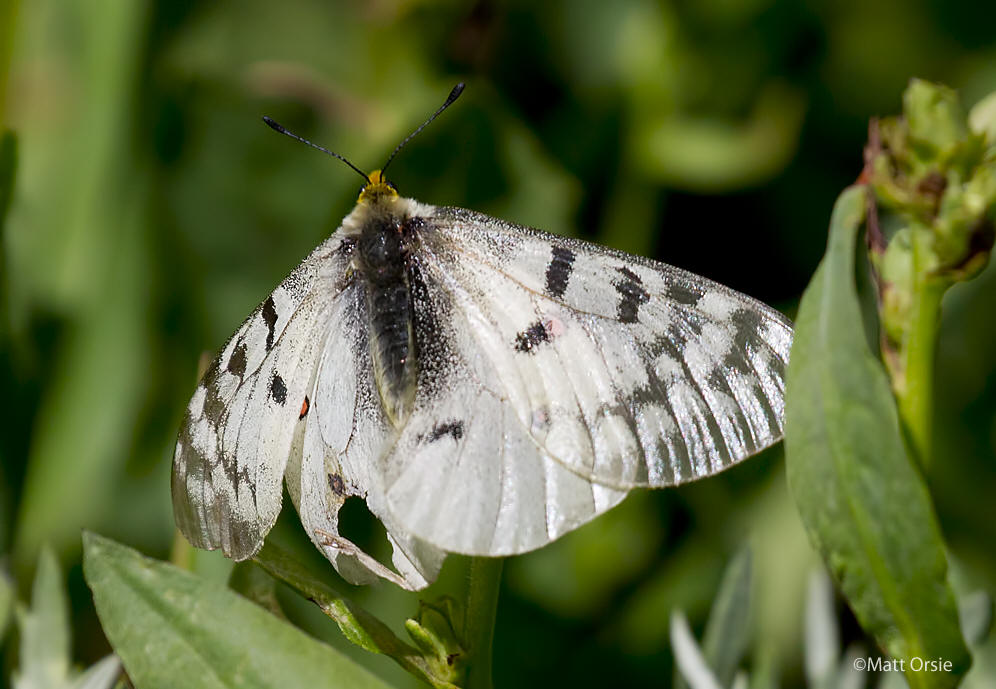
My second outing was only for a couple of hours late in the afternoon at the Alta Ski Resort. This is located near the top of Little Cottonwood Canyon. Most notable here was Clodius Parnassian, one of five Parnassians found in North America (no, not Kardashians). I definitely plan to return to the Utah mountains and valleys next year during our yearly business kickoff meetings.

7-21/23  Salt Lake and Summit counties, UT

Lifers
5  Clodius Parnassian
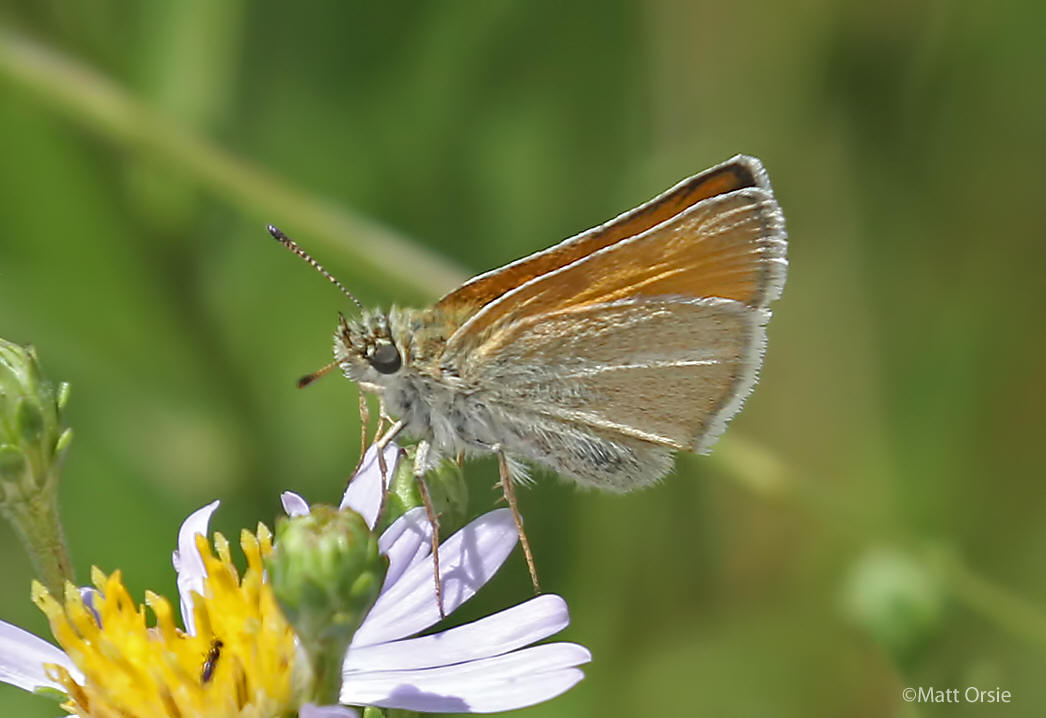
1  Garita Skipperling   
2  Edith's Copper
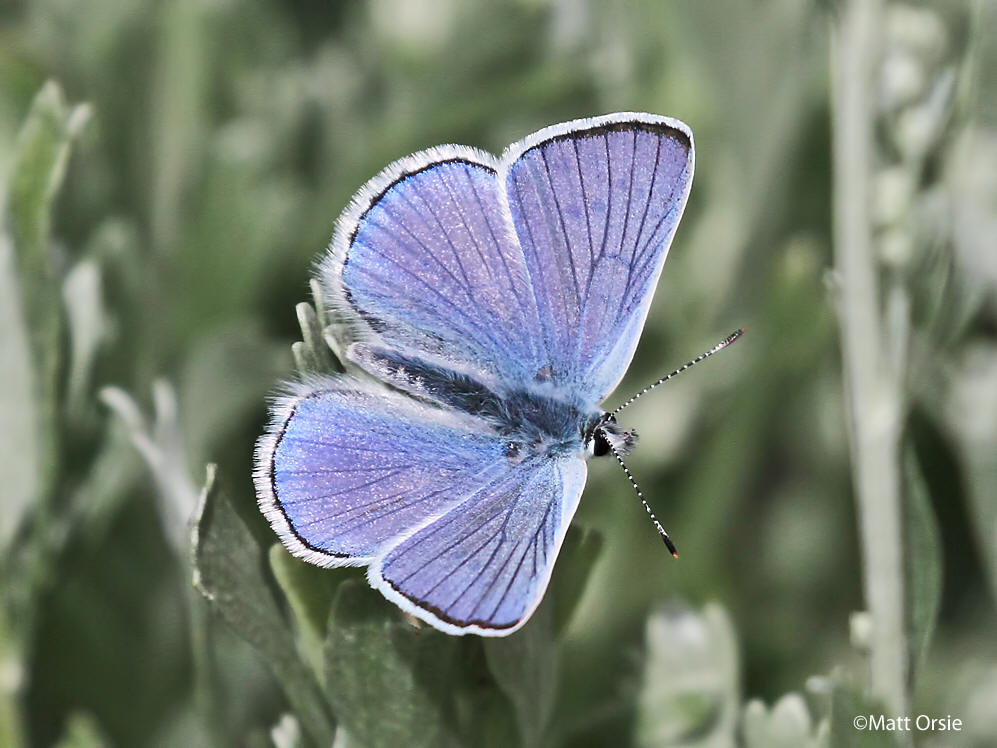
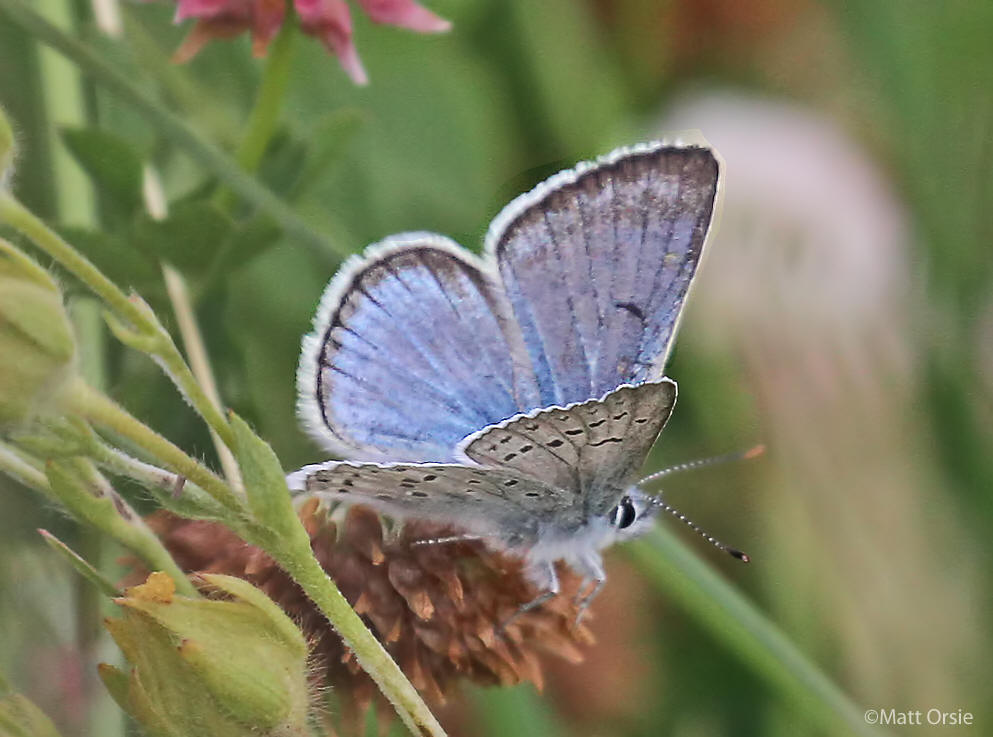
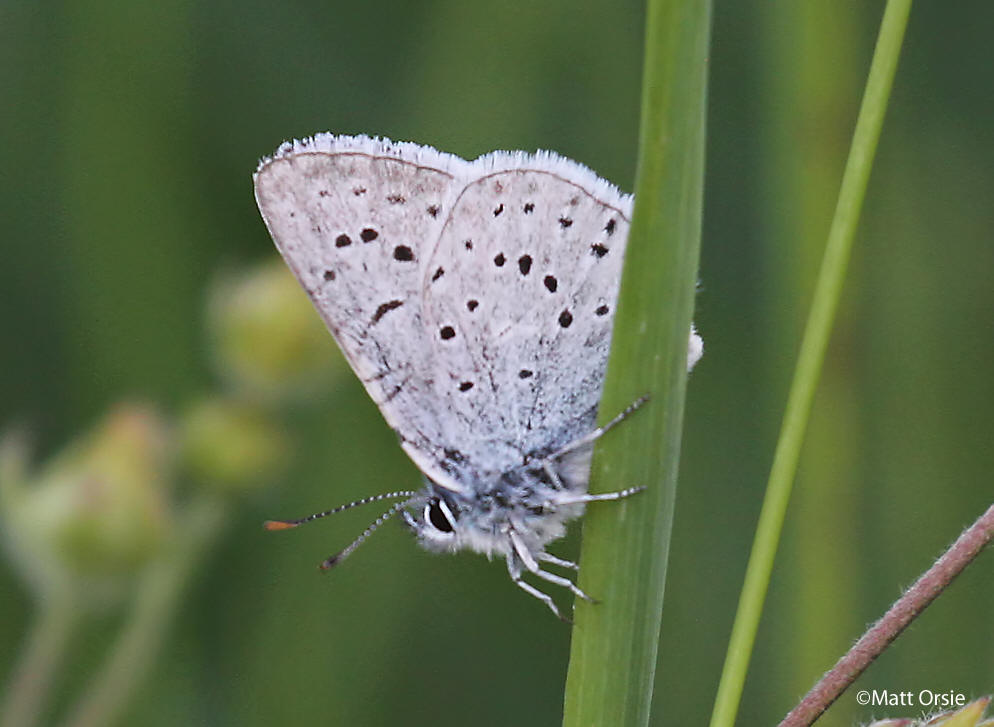
11 Blue Copper
2  Greenish Blue
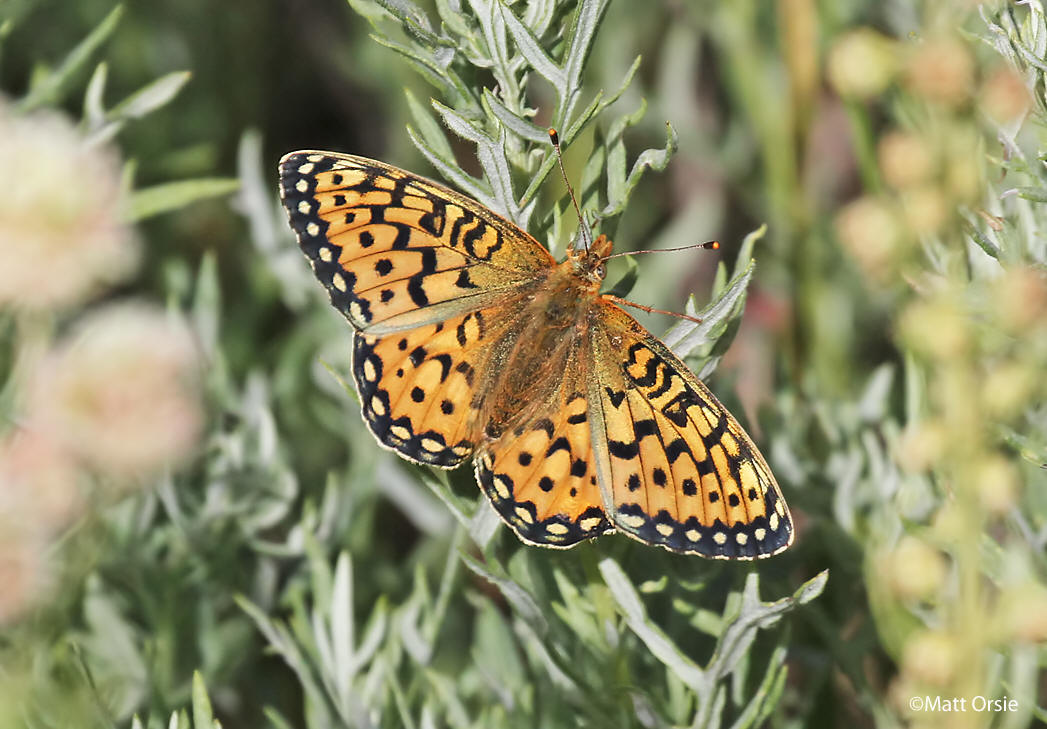
15 Mormon Fritillary
1  West Coast Lady
2  Weidemeyer's Admiral
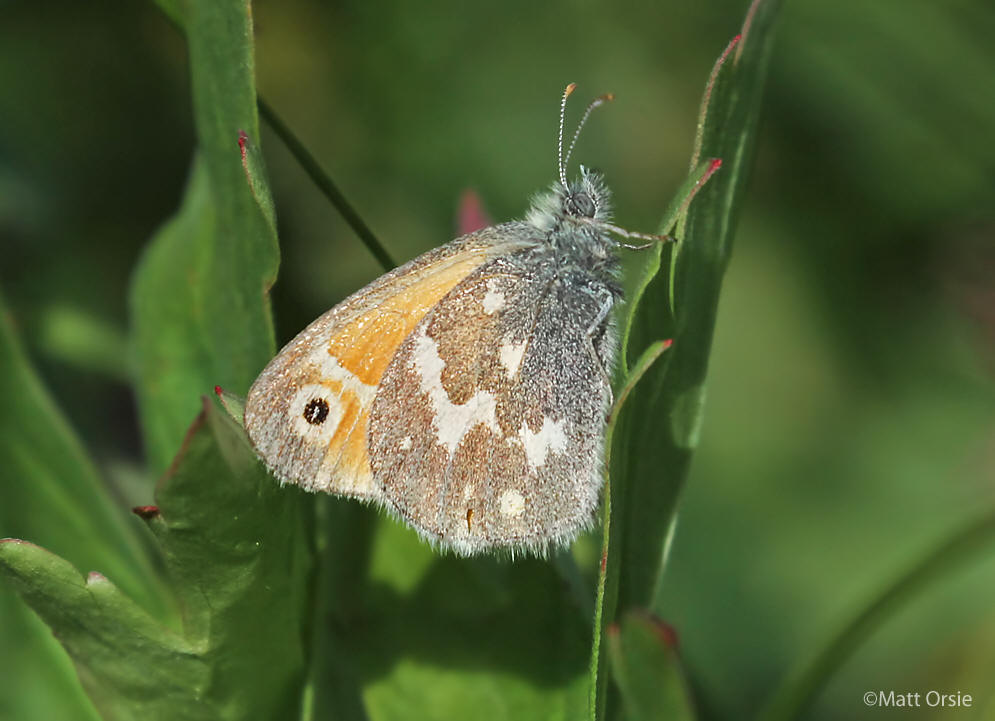
5  Small Wood-Nymph
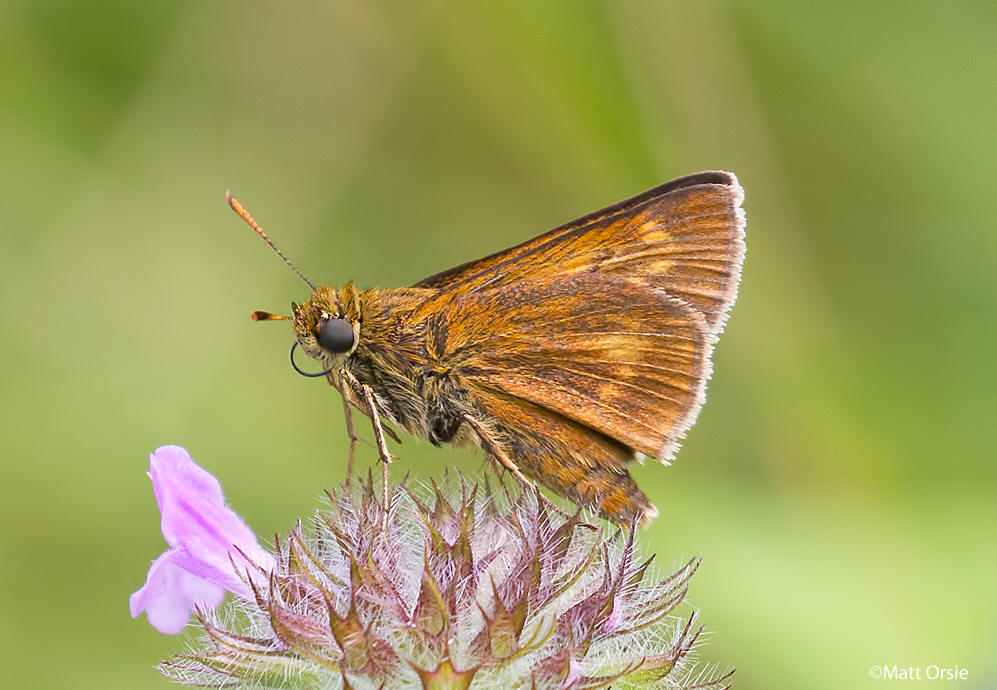
1  Taxiles Skipper

Non-lifers
1  Checkered White
1  Ruddy Copper
2  Purplish Copper
1  Arctic Blue
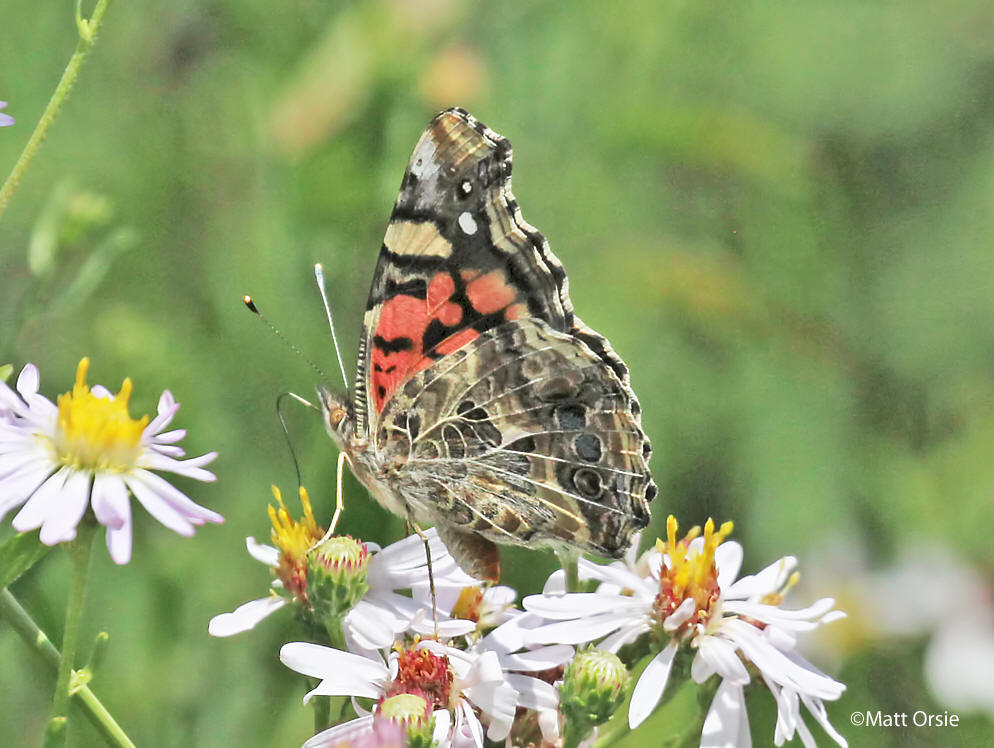
1  Painted Lady
4  Common Ringlet
2  Acmon Blue
2  Melissa Blue

Click on any image below to enlarge

Blue Copper (male) Blue Copper (male)
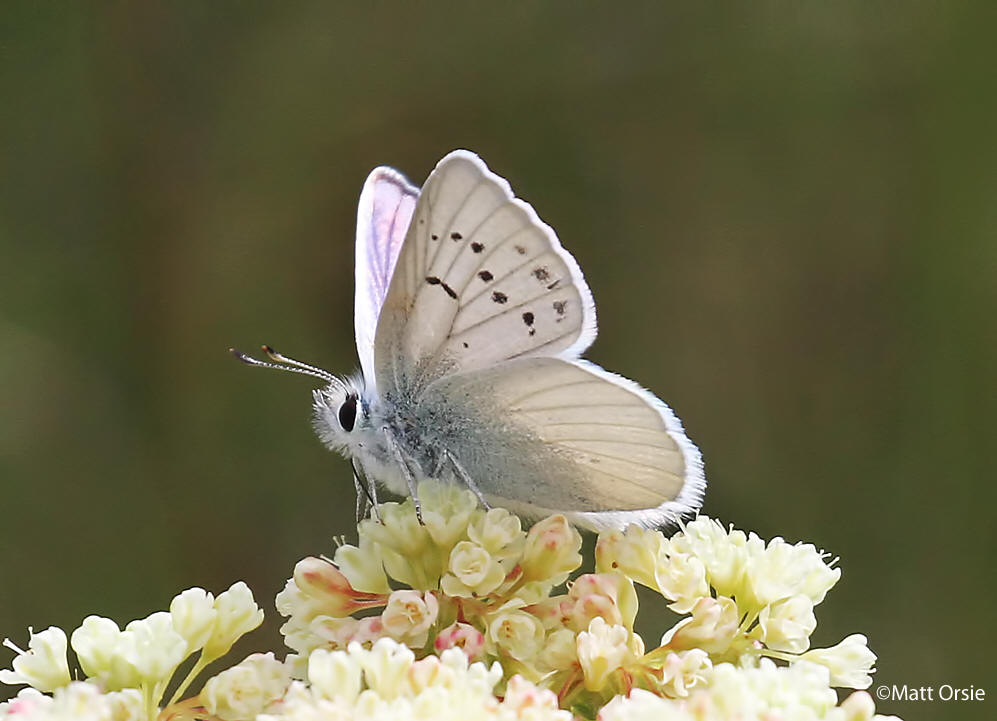
Blue Copper (female) Common Ringlet
Edith's Copper Edith's Copper
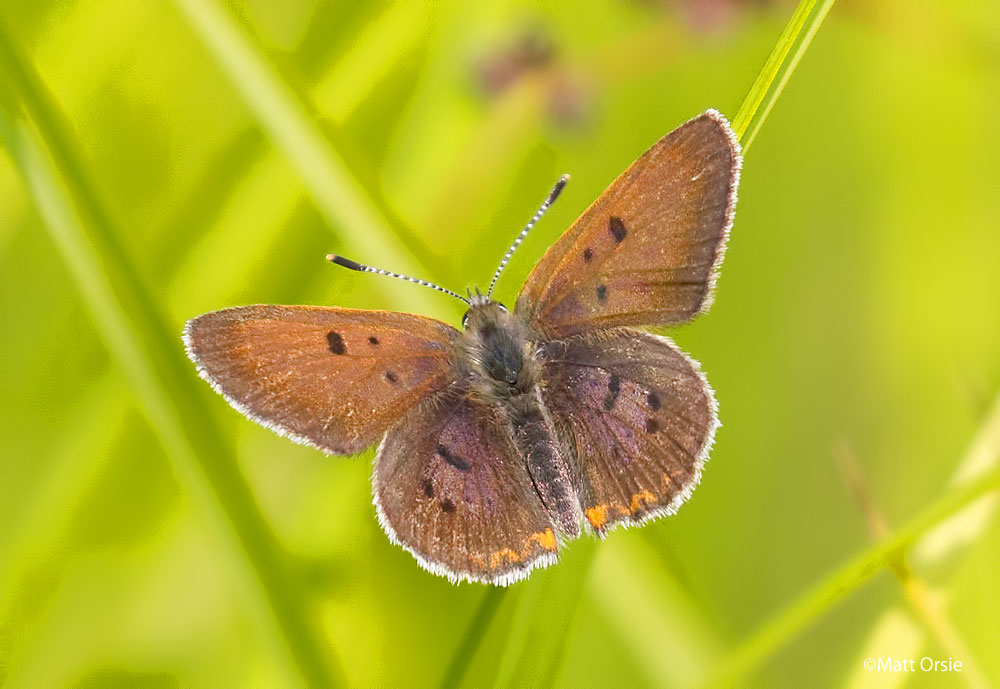
Purplish Copper Weidemeyer's Admiral
Acmon Blue Arctic Blue
Greenish Blue Greenish Blue
West Coast Lady Mormon Fritillary (female)
Garita Skipperling Taxiles Skipper
Clodius Parmassian Small Wood-Nymph
Posted in Blues, Brush-footed, Gossamer-winged, Remote Trip, Satyrs, Skippers, Whites and Sulphurs | Leave a comment

Black Dash in WV

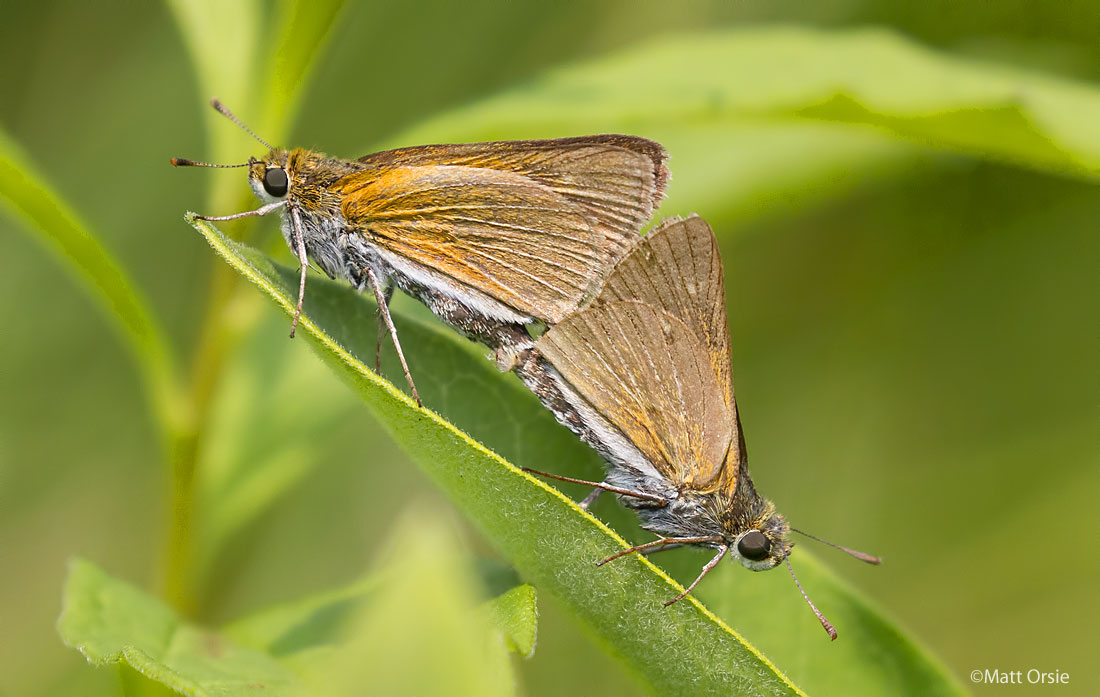
Barry and I made a trip out to eastern Preston county today. The weather was beautiful with partly sunny skies and a nice breeze with temps in the lower 80’s. It appears that the Bog Copper flight is done at Cranesville Swamp as we did not find any. Notables there were Aphrodite Fritillary and FOY Appalachian Brown. We then worked the first couple miles of Lake Ford road and found our first WV Black Dash, a skipper of wet grass and sedge. Other grass skippers seen were Northern Broken-Dash, Little Glassywing and Dun Skipper.

Black Dash

Posted in Milkweed Butterflies, Skippers, WV Trip | Leave a comment

Compton Tortoiseshell – Ricketts Glen, PA

Even though it has a protracted flight as an adult my perception is that the Compton Tortoiseshell seems to have a brief burst in early to mid-July in our region. It reminds me of a supernova. It burns brightly for a short time and then fades away. Thus was the reasoning for making a second trip in as many weeks up to Ricketts Glen State Park in PA. From a historical perspective when we walk some of the dirt roads now used in the park they were once part of the road system of Ricketts, PA, now a Ghost Town.  Ricketts is a former lumber town founded in 1890 and abandoned after 1913 when the lumber mill closed (by 1914 the town was down to five families, and the last buildings were demolished in the 1930s). The town pretty much had a supernova life span also.

Ricketts, PA

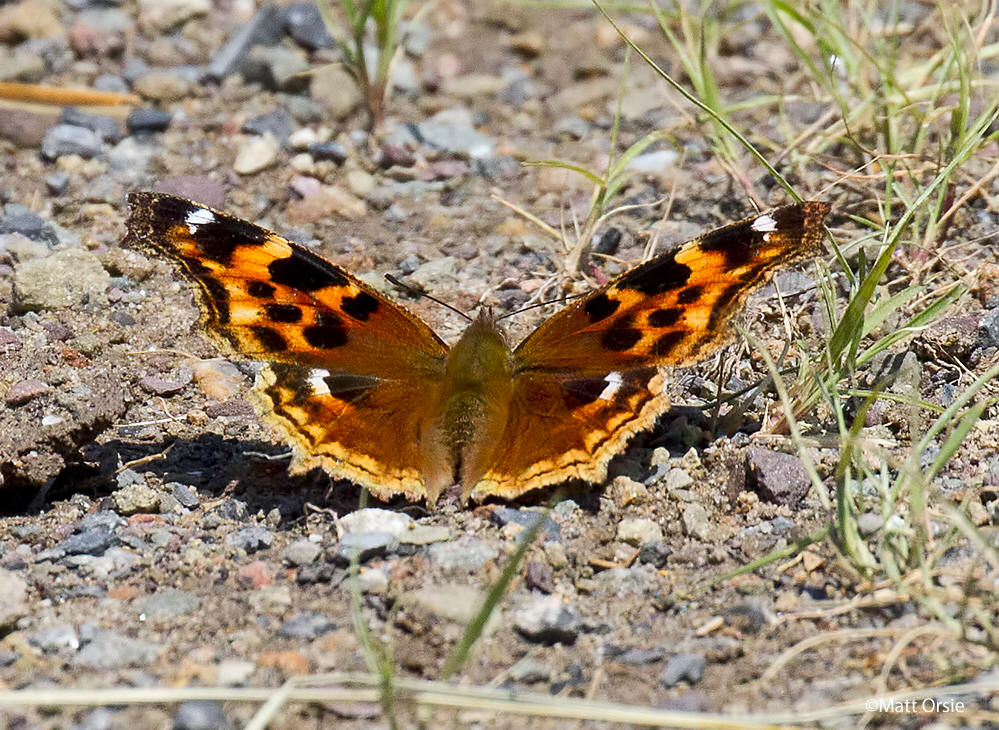
Compton Tortoiseshell is very rare in our local mountain areas and becomes more common as one heads north (common being a relative term). I was able to locate four individuals in a few hours.

Compton Tortoiseshell

Posted in Brush-footed, Remote Trip | Leave a comment

Almost a King’s Hairstreak, Dion Skipper

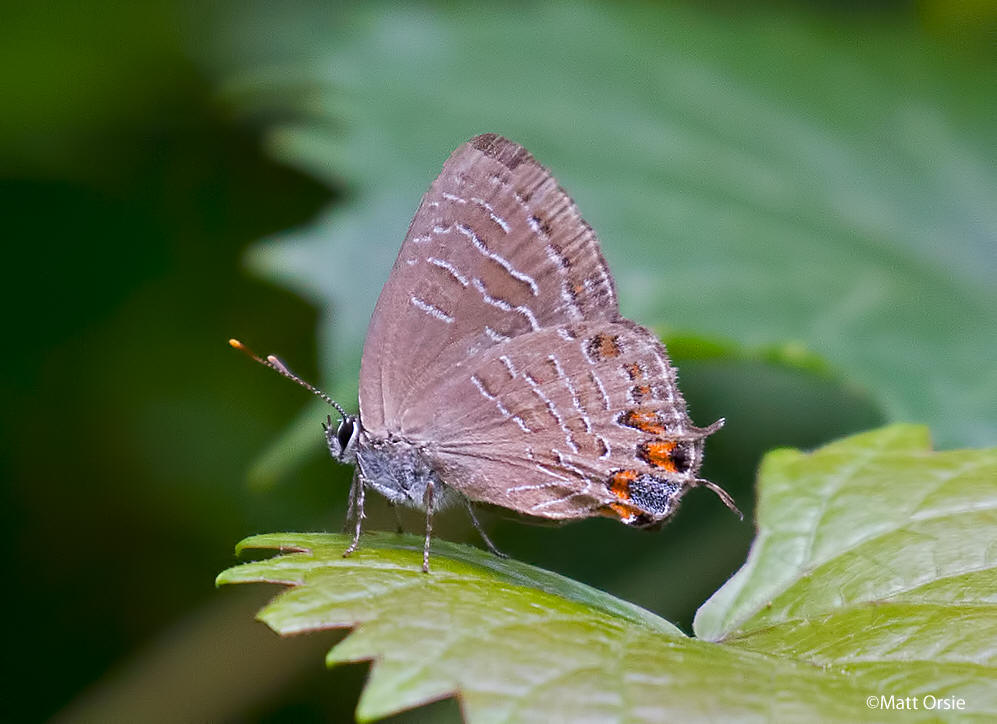
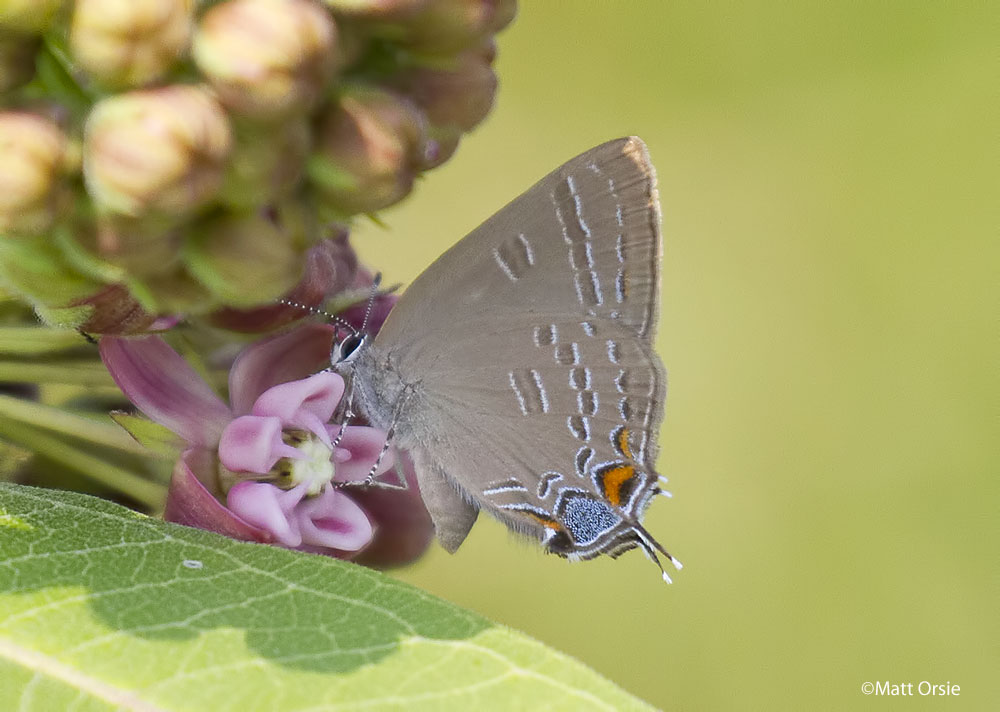
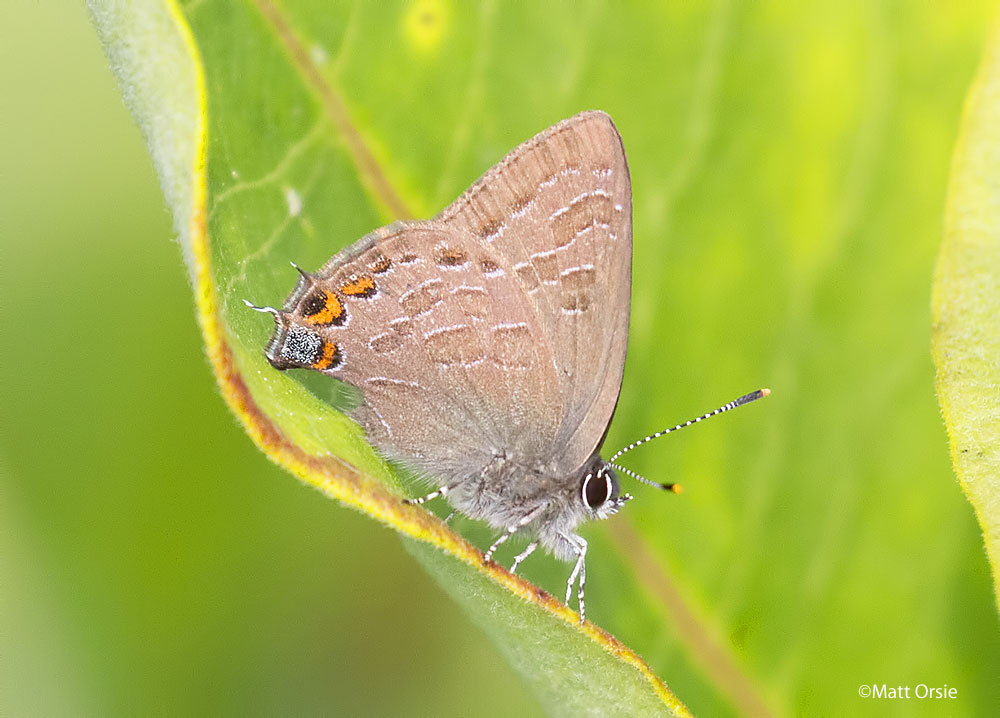
Upon further review the supposed King’s Hairstreak look more like a worn Striped Hairstreak. Too much enthusiasum and previous heartbreaks biased me. The wide banding appears better for Striped. A trip in the early morning rain awaited Barry Marts and I on Saturday the 11th. The hope was that the forecasted rain would clear earlier than expected in Worcester county, MD. By the time we had reached the eastern shore it was obvious on the radar that the rain would not clear the far eastern sections of Maryland until noon so we opted to go north for a while where it would clear out earlier, namely to Deleware. We arrived at Prime Hook NWR around 9:00 am. There were sprinkles around but we could see blue sky to the north working its way south at a snail’s pace. After checking out the mudflats for shorebirds along Broadkill Beach road we dabbled along the road on the way over to the the main section of the NWR. We located some nectoring plants and soon found many Broad-winged Skippers, one which was ovipositing on its host phragmites:

Broad-winged Skipper

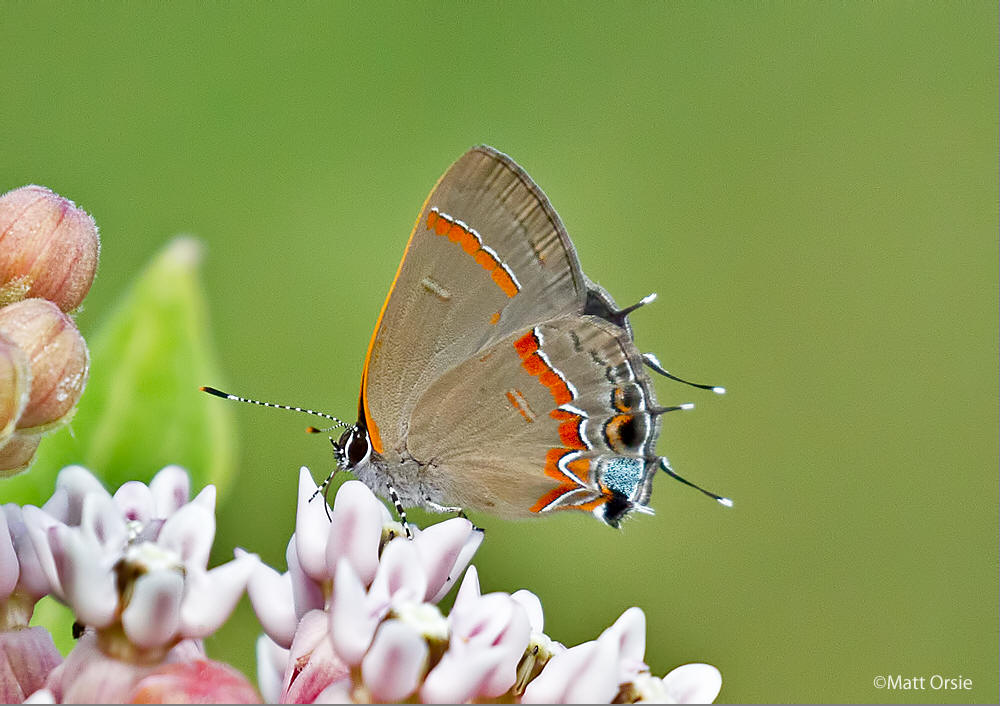
From there we drove to the refuge headquarters. There was a surprising amount of Milkweed in full bloom near the headquarters and as soon as the Sun started to break through it was teaming with butterflies. Sixteen species were seen in about a hour with the highlights being several Monarchs and a stunning Red-banded Hairstreak:

c6176_red-banded_HS

After another hour walking the local fields we decided to head to Worcester county, MD in search of King’s Hairstreak. This was a fifth trip looking for this species over the past couple of years. We arrived to a steady rain. Yea(:< The rain did not stop until after 2 pm. Finally the Sun was poking our every now and again. After ahour plus of searching we finally flushed something out of the wet grasses. It was a somewhat tattered Striped Hairstreak.  The initial impression and the location totally threw me off. Thanks to Barry for bringing reality to this blog post. Perhaps next year. Finally, it was on to Dorchester county were roadside Button Bush is recovering in some locations from the roadside destruction of last year. Notable species here were Viceroy, FOY Common Buckeyes and a FOY male Dion Skipper.

7-11  Prime Hook NWR, De

2  Silver-spotted Skipper
6  Least Skipper
5  Sachem
12 Broad-winged Skipper
2  Black Swallowtail
2  Eastern Tiger Swallowtail
4  Cabbage White
1  Clouded Sulphur
4  Orange Sulphur
2  Red-banded Hairstreak
2  Eastern Tailed-Blue
3  Monarch
1  Red-spotted Purple
4  Pearl Crescent
1  American Lady
9  Red Admiral  

7-11  Worcester county, MD

1  Spicebush Swallowtail
3  Summer Azure
1  Monarch
1  Striped Hairstreak
2  Pearl Crescent
5  Red Admiral

7-11  Dorchester county, MD

45 Silver-spotted Skipper
2  Wild Indigo Duskywing
4  Least Skipper
3  Sachem
1  Dion Skipper 
1  Eastern Tiger Swallowtail
2  Summer Azure
2  Cabbage White
1  Viceroy
2  Common Buckeye
6  Red Admiral

Click on any image below to enlarge

Dion Skipper Dion Skipper
Striped Hairstreak
Posted in Blues, Brush-footed, Duskywings, Gossamer-winged, Remote Trip, Skippers, Swallowtails, Whites and Sulphurs | 5 Comments

Eyed Brown, Hickory Hairstreak, Acadian Hairstreak

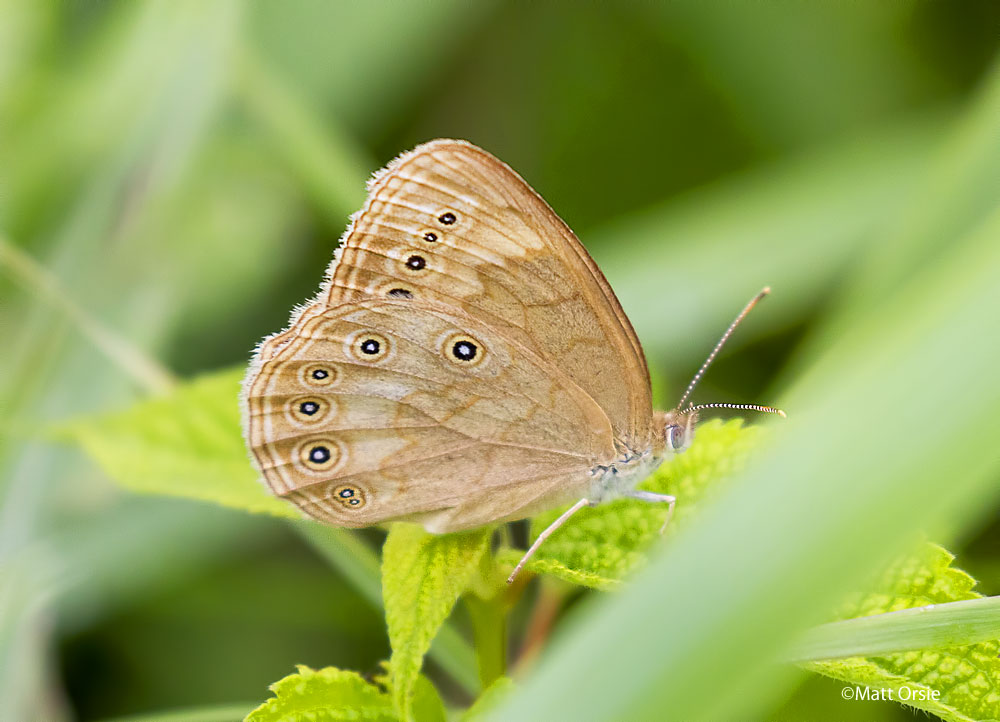
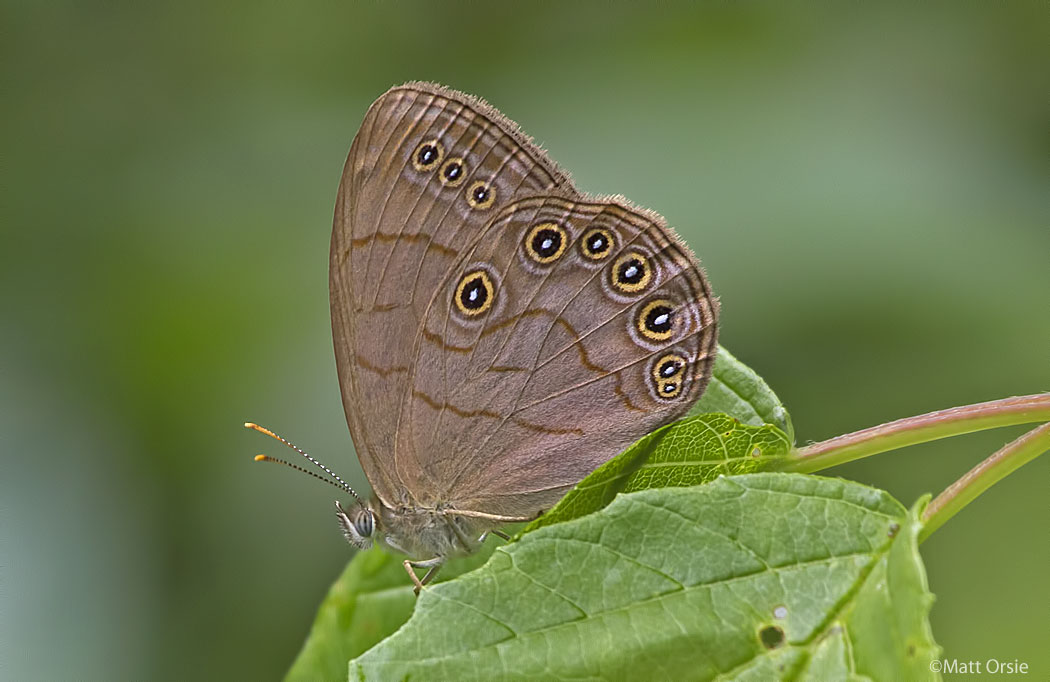
Over the fourth of July weekend Barry Marts and I headed out in rain showers on Saturday morning heading towards northern New Jersey in search of a couple of life butterflies that had been reported the previous week by various folks. Rick Borchelt and Tom Stock were gracious to share the location information for Eyed Brown and Hickory Hairstreak, the later which had been seen in the hundreds a number of days before on a butterfly count. We arrived at our first stop in Vernon Township, NJ around 10:15am. There was now a steady rain with few breaks and we waited until 2:15pm when it finally stopped and a few butterflies appeared including our target species Eyed Brown. Eyed Brown looks similar in size and eye spot pattern as the Appalachian Bown and their ranges do overlap. Reliable separation can be done by looking at the ventral forewing post median band which is jagged as compared to the very smooth VPM band on the Appalichian Brown. The ventral hind wing basal line has what I call a “sharks tooth” pattern near the leading edge of the forewing.  On the Appalachian Brown it is straight. Finally, the ground color overall on fresh individuals looks orange-brown on the Eyed Brown and gray-brown on the Appalachian Brown. You can compare the Eyed Brown and Appy Brown images below by clicking on them. Next, it was off to Whittingham WMA near Newton, NJ to see if we could find a Hickory Hairstreak. We arrived late, about 4:15pm and it was still cloudy. Everything was wet from the rains so our boots/shoes and lower pants got soaked walking around a couple of the fields. Luck was on our side as we found 9 Hickory Hairstreaks, 3 Banded Hairstreaks and a couple of Hairstreak spuhs unidentifiable due to wear. Superficially Banded and Hickory Hairstreaks can look very similar and an aggregate of ID characteristics should be used to separate the two. There is variation in both species and some can not be ID’ed by sight or photo.  As a good rule Hickory will show a significant blue spot extension past the orange spot whereas Banded’s blue spot will for the most part be nearly equal in length with the orange spot. Both sides of Hickory’s forewing post median band are typically edged in white where you don’t see this very much in Banded. In Hickory, the width of the forewing PM band right at the leading edge is as wide or wider than the most basal forewing band where on the Banded the width is usually narrower than the most basal forewing band. Finally, on Hickory there are noticable “spikes” at the very end of the forewing PM band ether pointing up or down or both. I’ve yet to see this trait on a Banded Hairstreak. If you have a photo to the contrary please email me. I’d love to see it. I’ve included side by side images of Hickory and Banded below that you can click on to see a larger image.

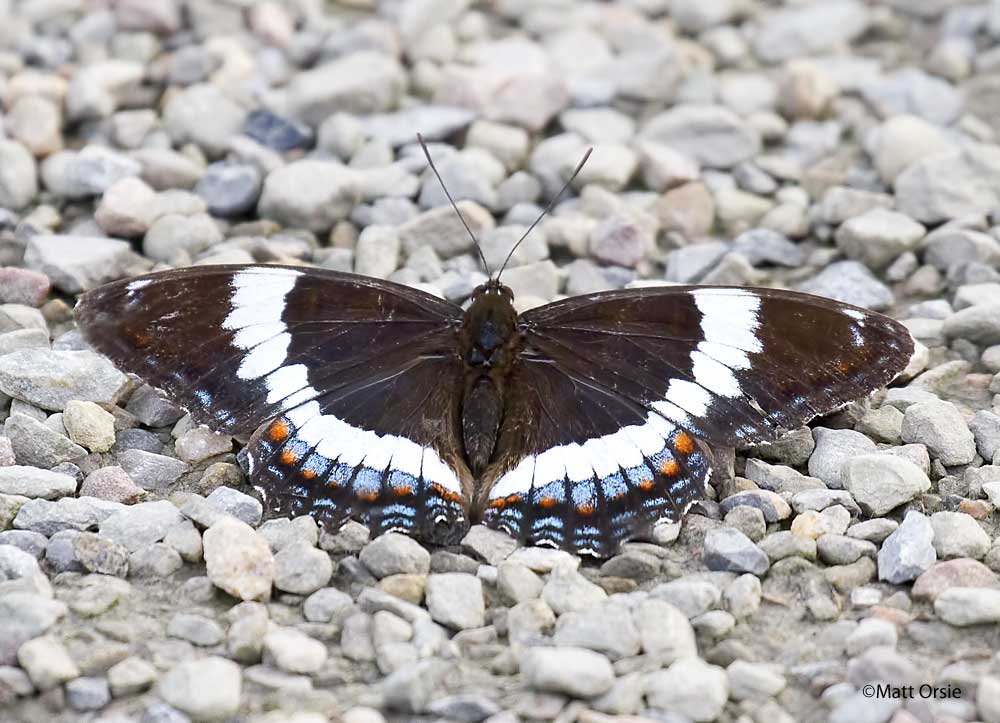
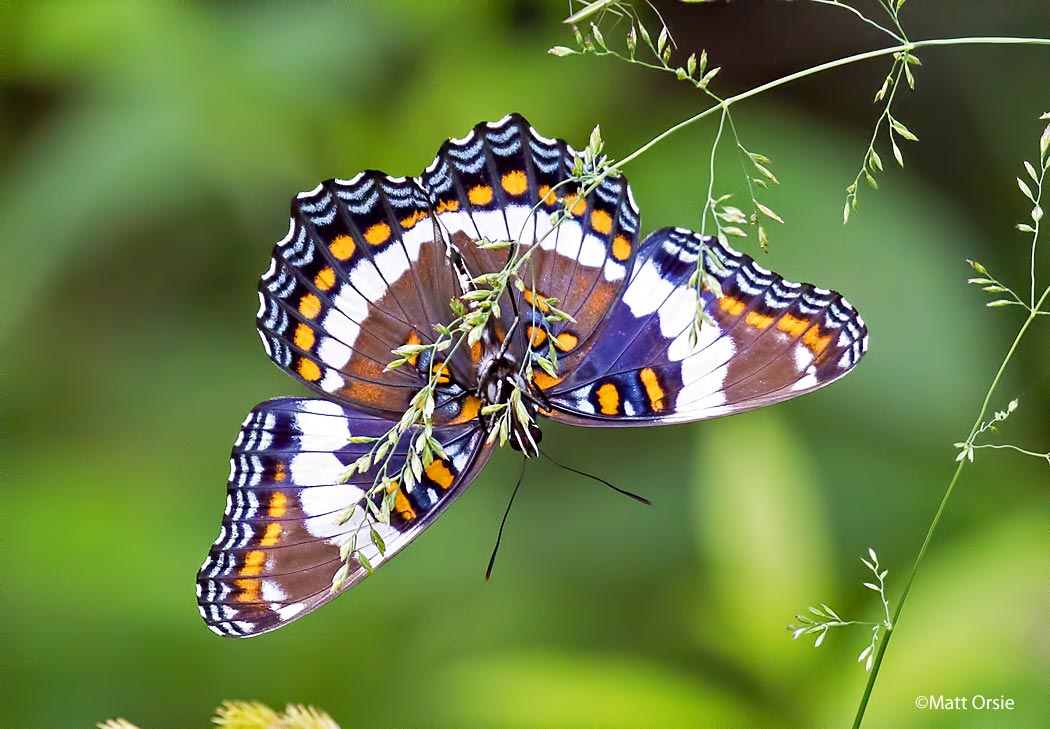
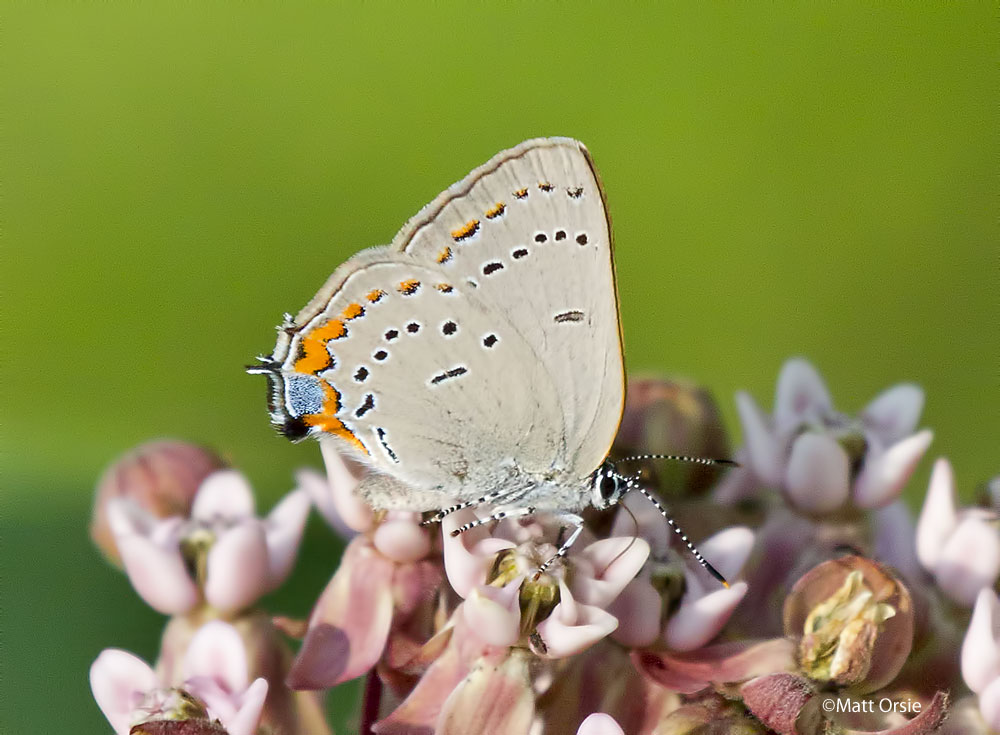
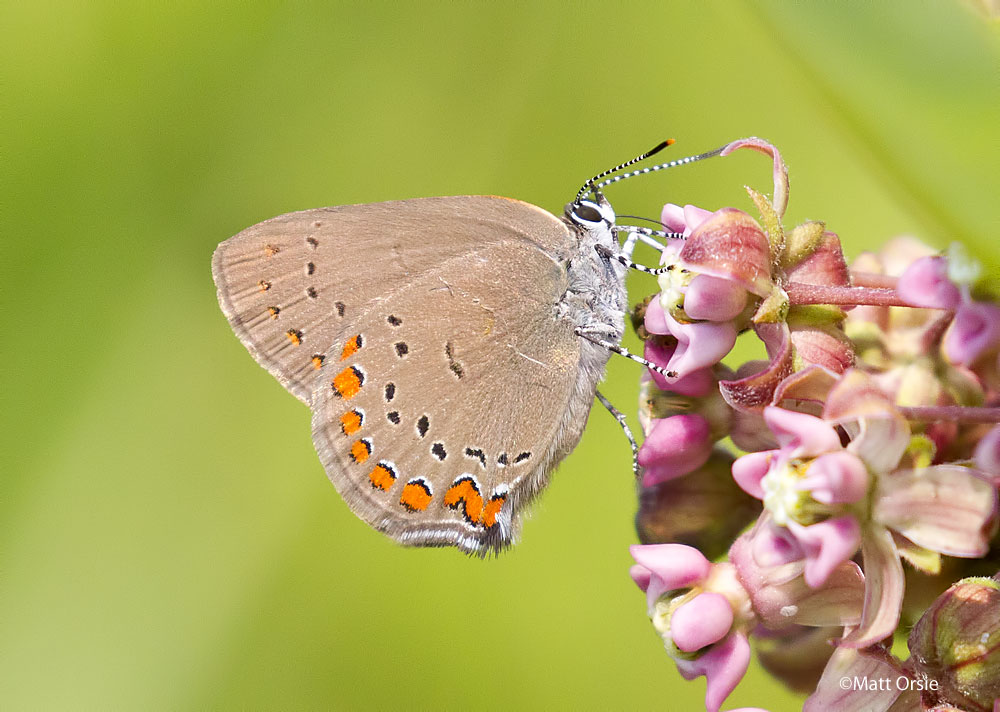
After an overnight in Stroudsburg, PA it was off through the fog Sunday morning to Pocono Pines, PA. The fog finally burned off enough by 10:00 and we found 4 species of Hairstreaks, all on Milkweed (Edwards’, Acadian, Banded, Striped). Other notable species here were Blash Dash and fresh Delware Skippers. A terribly worn Hobomok Skipper was still hanging on. It was here that we saw our first of a few hybrid Canadian Tiger Swallowtails X Eastern Tiger Swallowtails (pers comm. with David Wright). They look like miniturized versions of our Appalichian Tiger Swallowtails in the higher WV elevations. David said “PS – What you’re seeing is a “late flight” of a bimodal Papilio canadensis x glaucus hybrid. Yes, it looks very much like small appalachiensis“. In the afternoon we went to Ricketts Glen State Park where we found 26 species including Two-spotted Skipper, Bog Copper, Coral Hairstreaks, Banded Hairstreaks, Great Spangled / Aphrodite / Atlantis Fritillaries and White Admirals. This is very diverse region both in habitat and geology. The Alleghany Front escarpement cuts right through the park and you gain 1,200ft in a mere 3 miles or so going north on Rt 487. Hackberry, Blackberry, Blueberry and Cranberry and I’d bet a couple more berry species are found here. All told 36 species were found on the trip.

7-4  Sussex county, NJ

1  Silver-spotted Skipper   
8  Least Skipper
2  Cabbage White
2  Clouded Sulphur
3  Pearl Crescent
3  Red Admiral
23 Eyed Brown

7-4  Whittingham WMA, NJ

2  Little Glassywing
1  Orange Sulphur
11 Hickory Hairstreak
3  Banded Hairstreak
2  Eastern Tailed-Blue
30 Great Spangled Fritillary
1  Eastern Comma
1  Common Wood-Nymph

7-5  Pocono Pines, PA

4  European Skipper
20 Little Glassywing
3  Delaware Skipper
1  Hobomok Skipper
2  Black Dash
14 Dun Skipper
1  Eastern Tiger Swallowtail
2  Cabbage White
2  Clouded Sulphur
1  Acadian Hairstreak
1  Edwards' Hairstreak
2  Banded Hairstreak
1  Striped Hairstreak
1  Eastern Tailed-Blue
1  Summer Azure
10 Great Spangled Fritillary
2  Aphrodite Fritillary
1  Question Mark
1  Common Wood-Nymph   

7-5  Ricketts Glen State Park, PA

4  European Skipper
2  Peck's Skipper
27 Long Dash
2  Little Glassywing
1  Delaware Skipper
9  Two-spotted Skipper
4  Dun Skipper
5  Eastern Tiger Swallowtail
2  Cabbage White
7  Clouded Sulphur
3  Orange Sulphur
17 Bog Copper
2  Banded Hairstreak
3  Coral Hairstreak
5  Eastern Tailed-Blue
17 Summer Azure
1  Monarch
23 Great Spangled Fritillary
5  Aphrodite Fritillary
14 Atlantis Fritillary
2  Red-spotted Purple
3  White Admiral
3  Pearl Crescent
1  Baltimore Checkerspot
1  Red Admiral
1  Common Wood-Nymph

Click on any image below to enlarge
White Admiral White Admiral
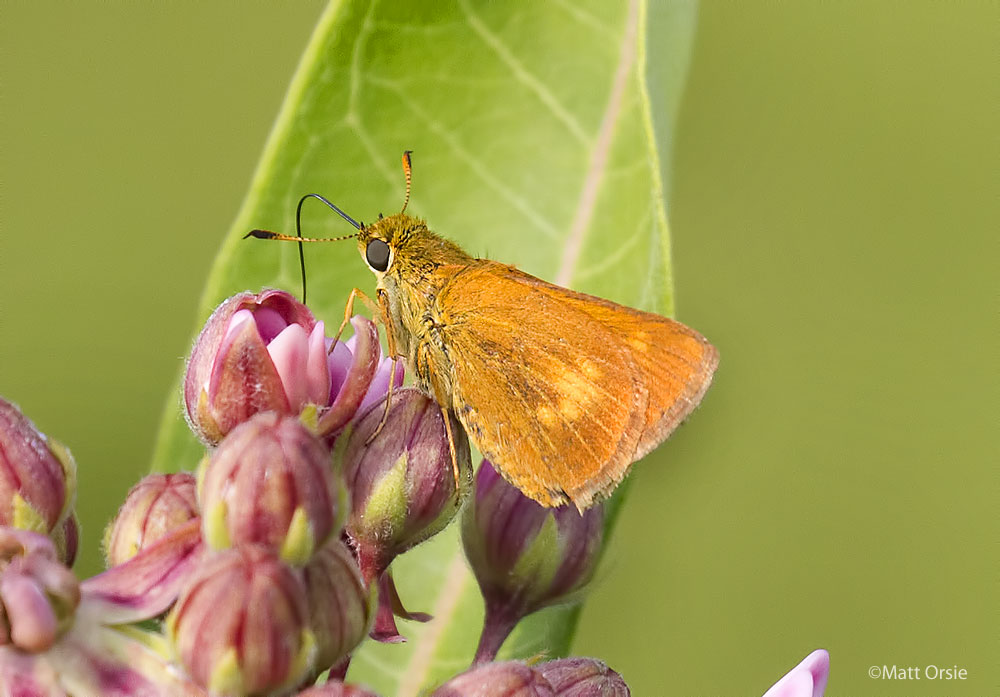
Eyed Brown Appalachian Brown
Acadian Hairstreak Coral Hairstreak
Hickory Hairstreak Banded Hairstreak
Striped Hairstreak Bog Copper
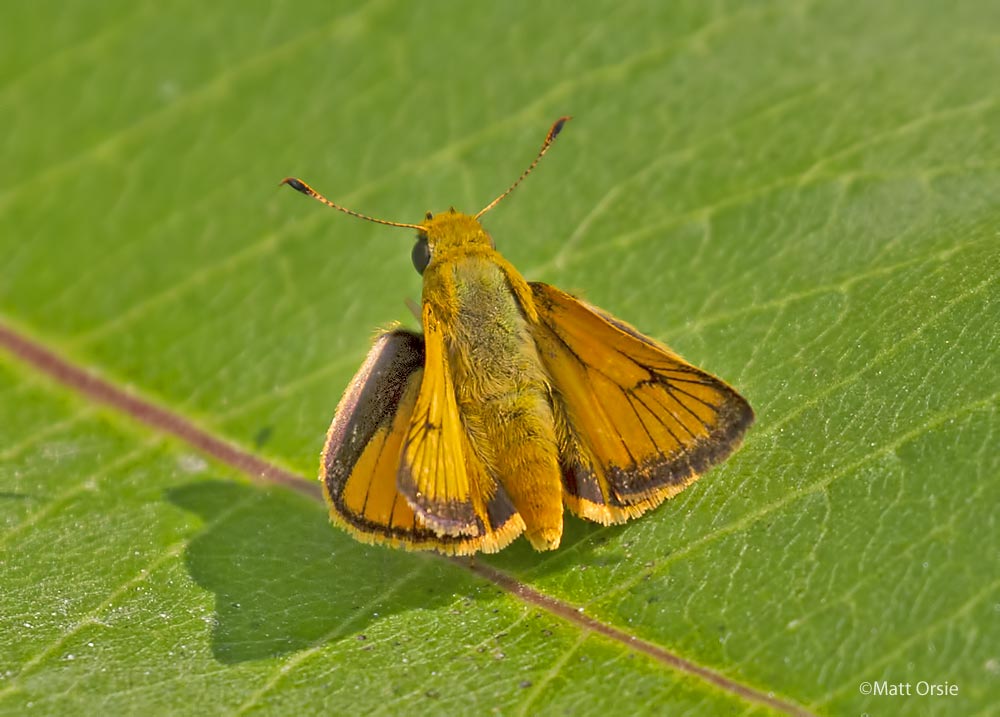
Black Dash Delaware Skipper (male)
Two-spotted Skipper Long Dash
Posted in Blues, Brush-footed, Butterfly ID, Gossamer-winged, Milkweed Butterflies, Remote Trip, Satyrs, Skippers, Swallowtails, Whites and Sulphurs | 1 Comment