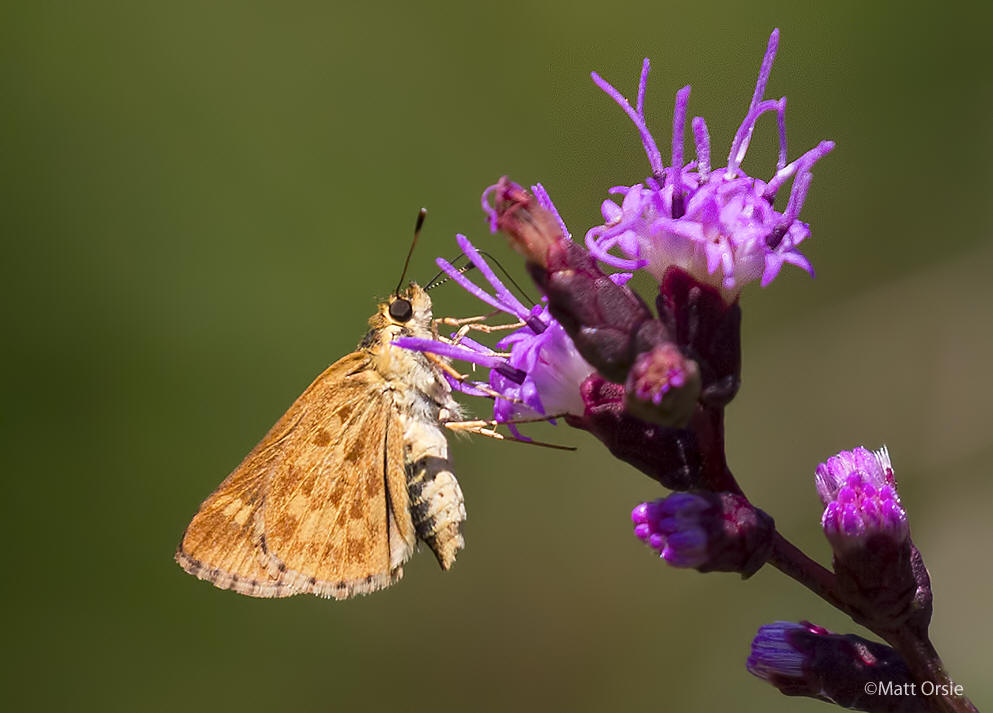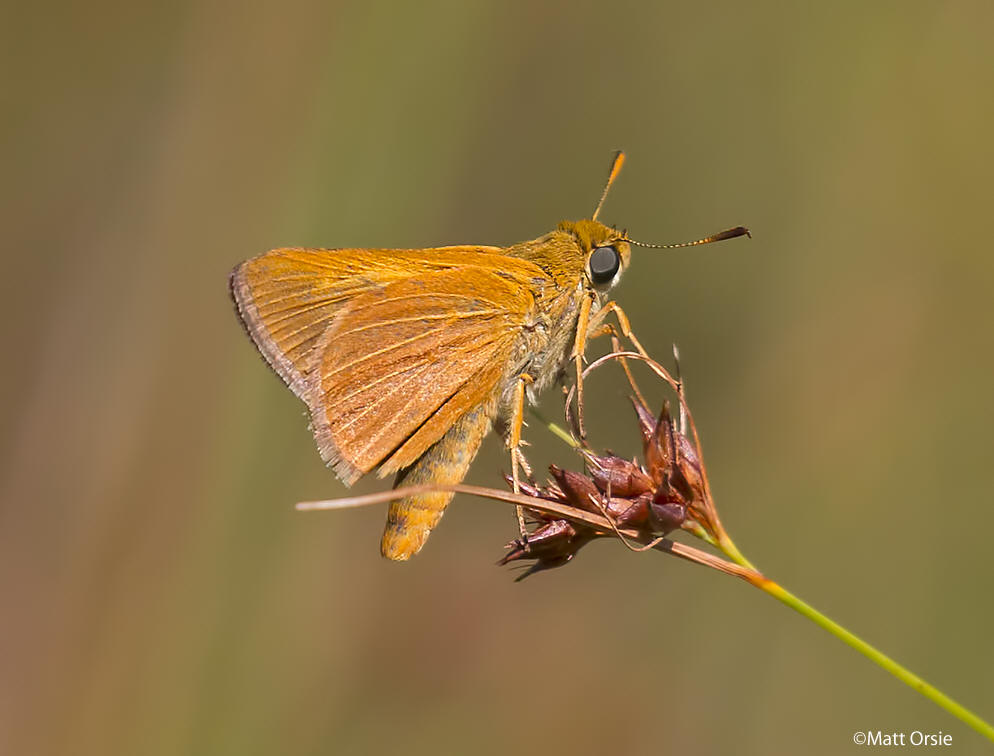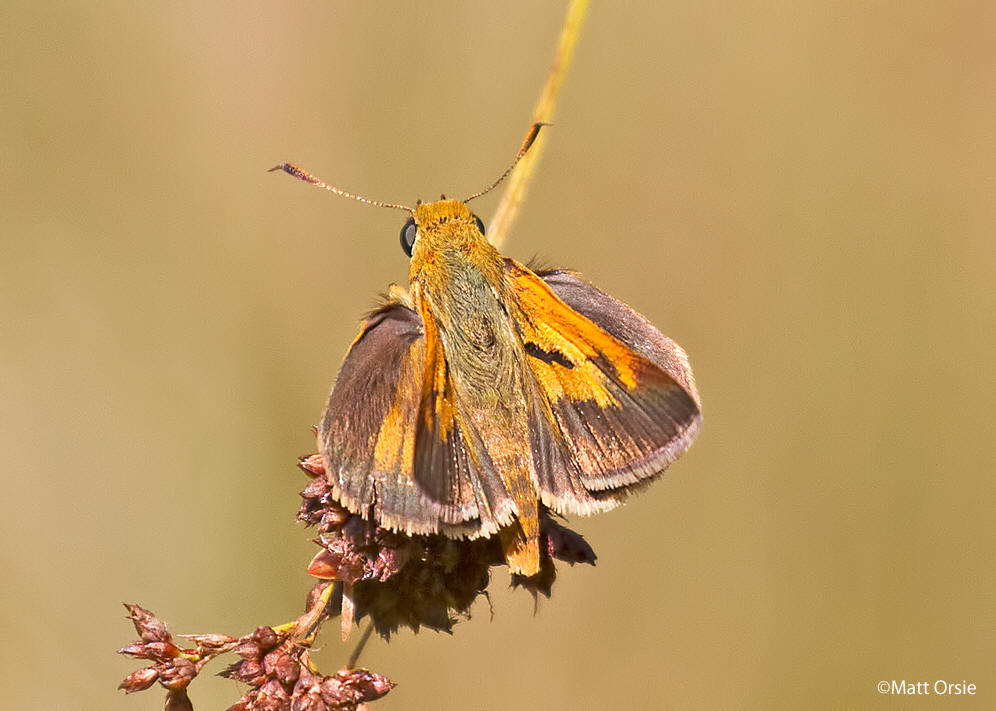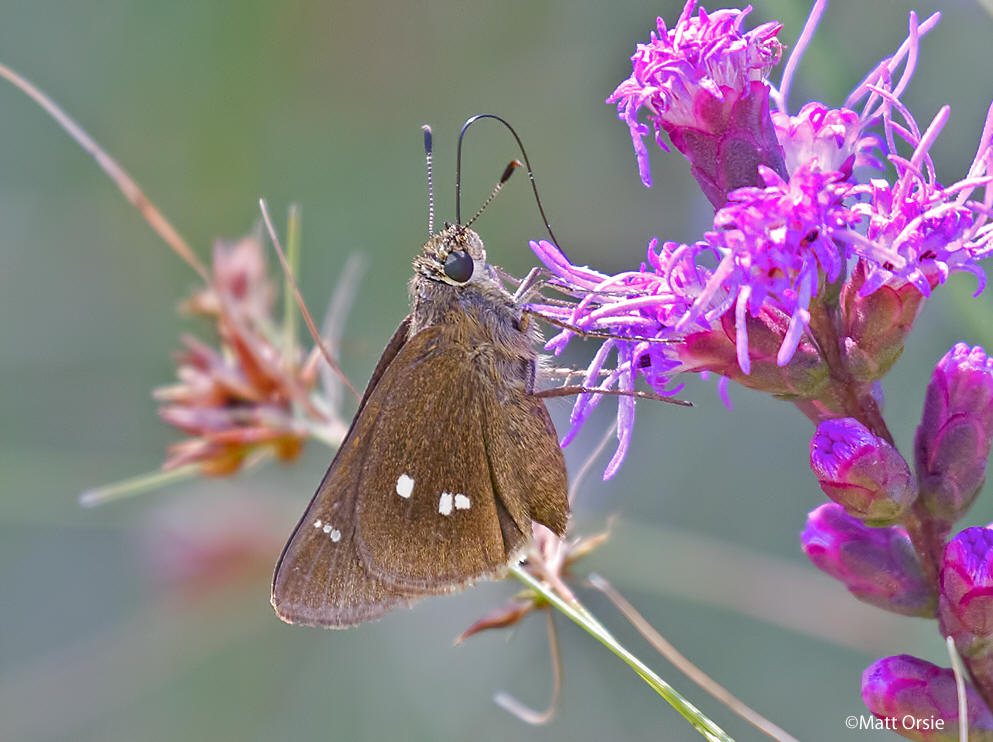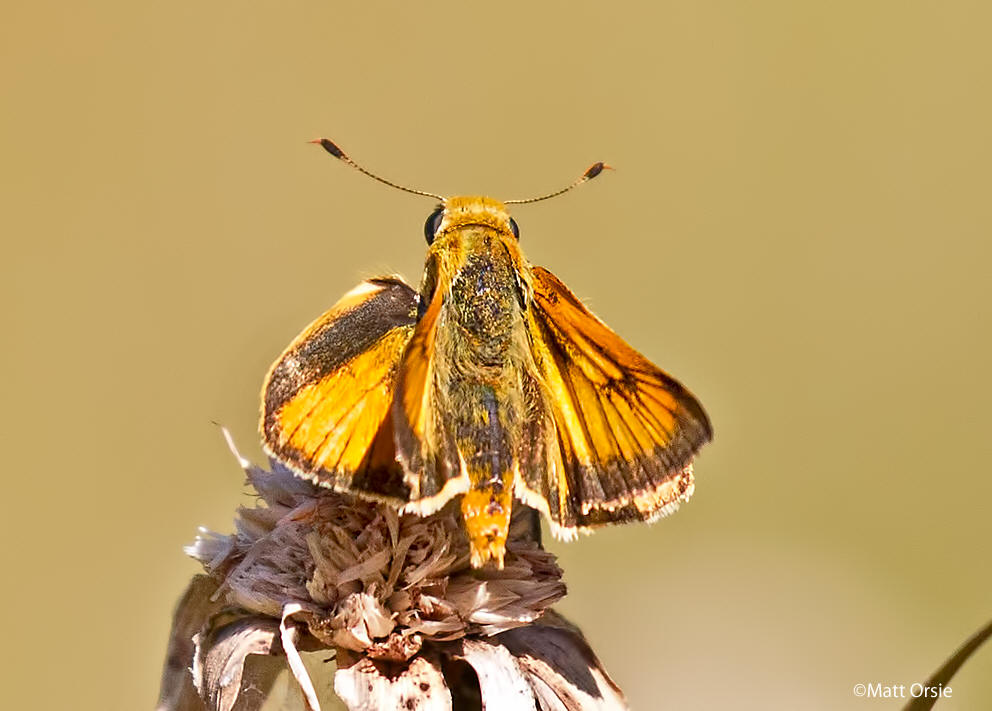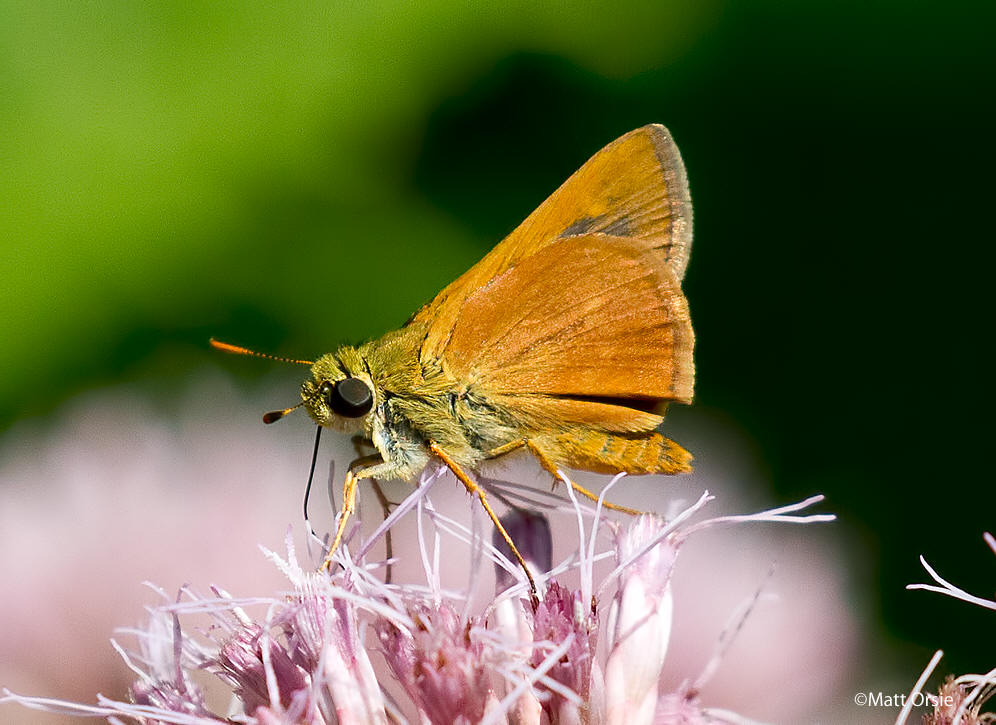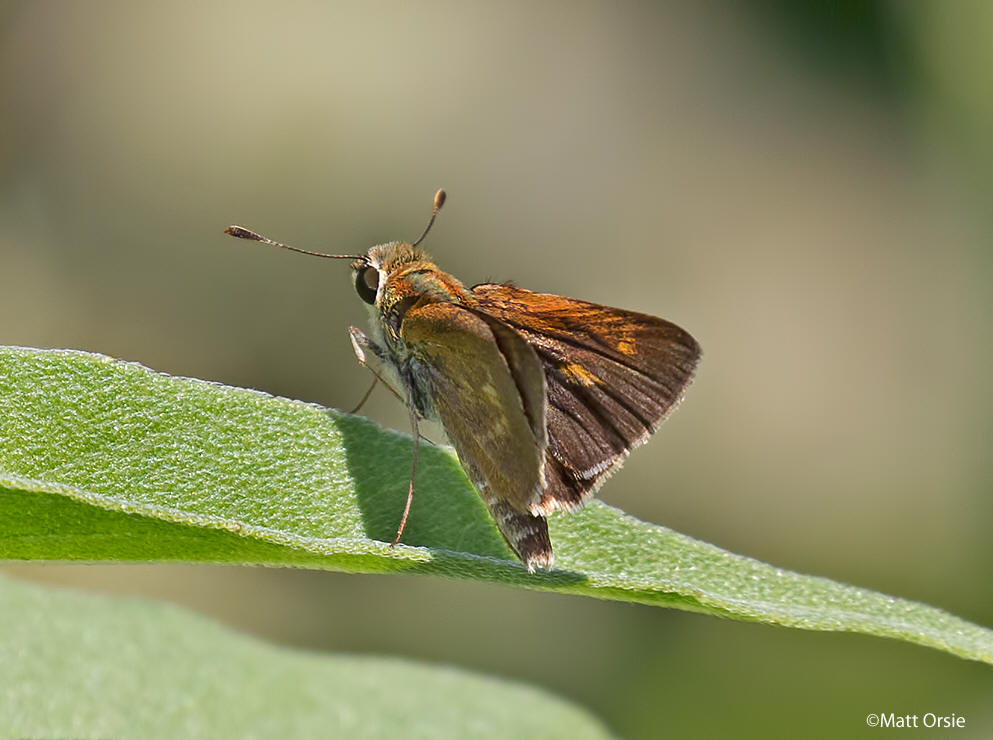
Dukes’ Skipper, Creole Pearly-eye – SE Virginia

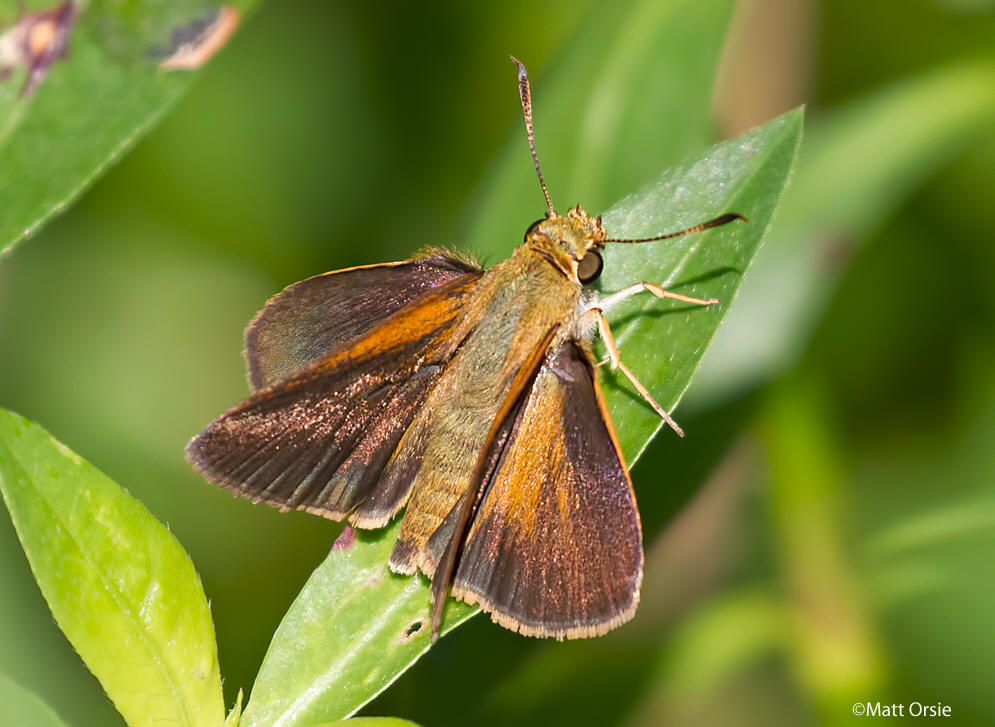
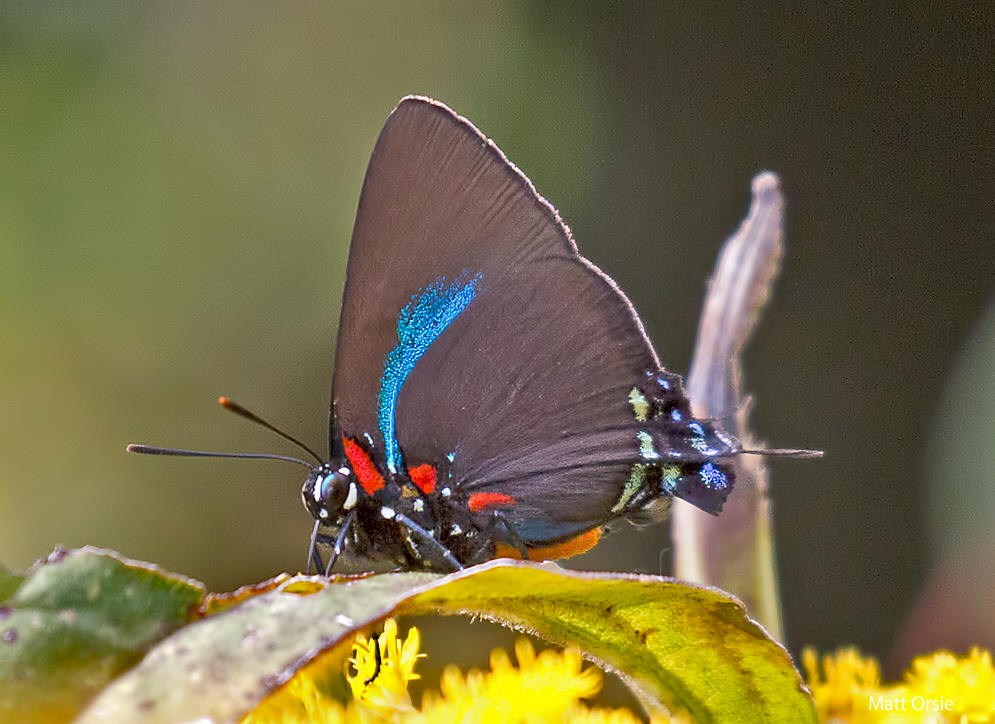
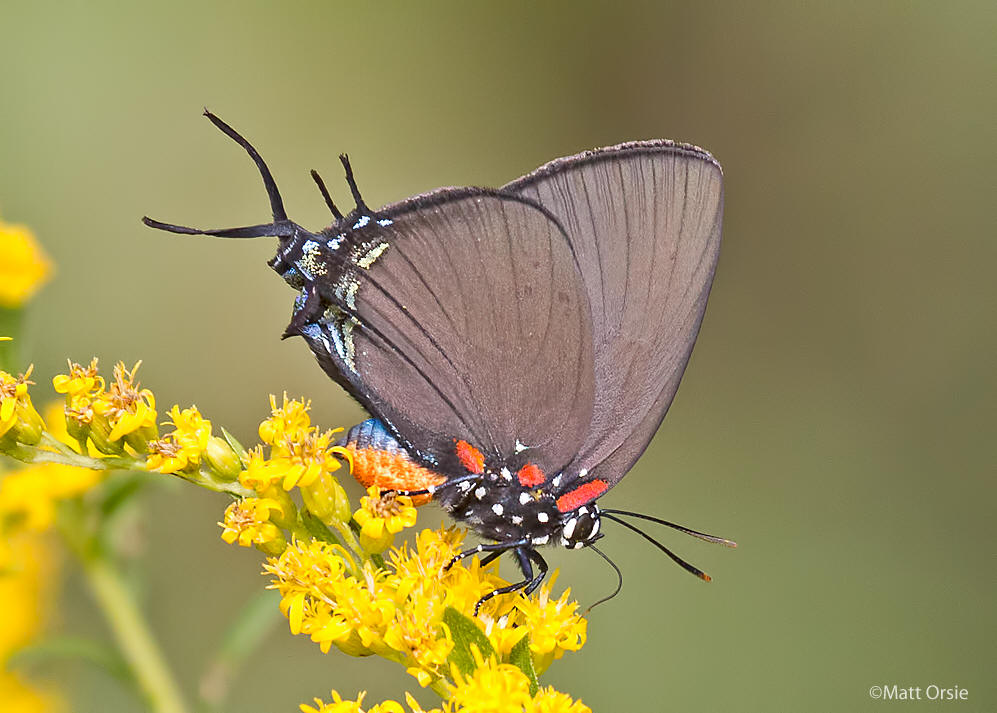
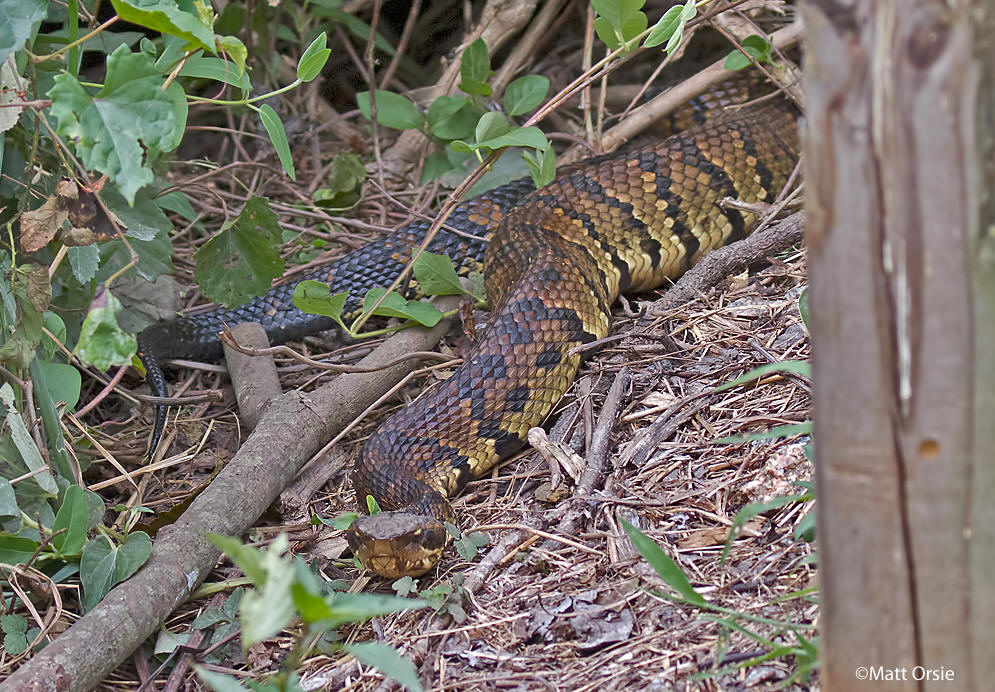
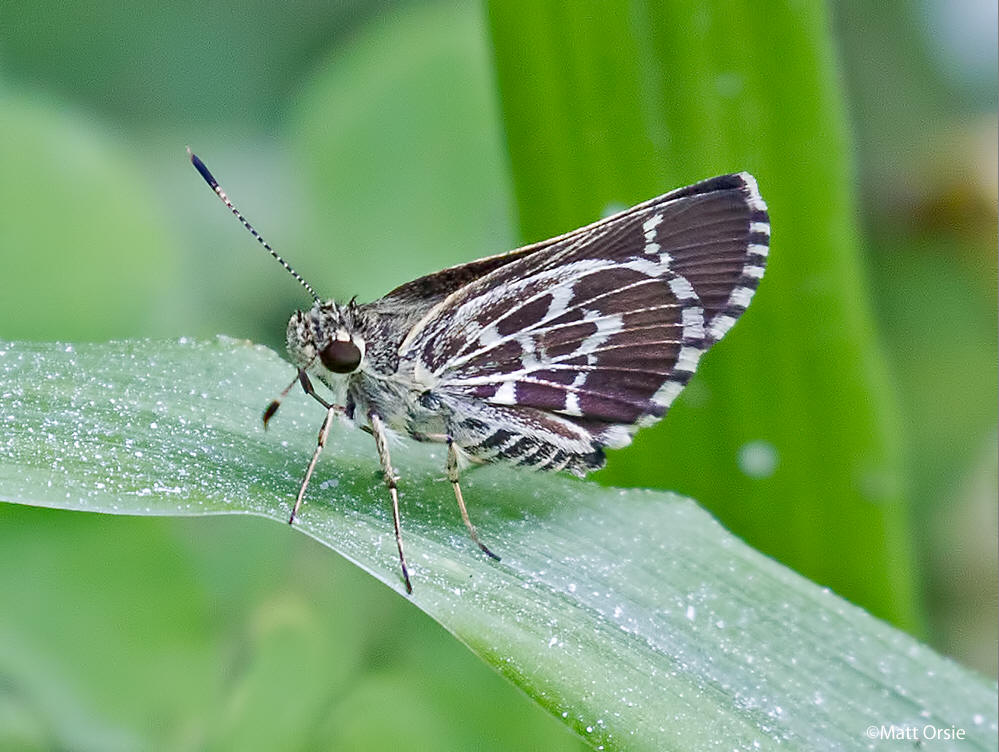
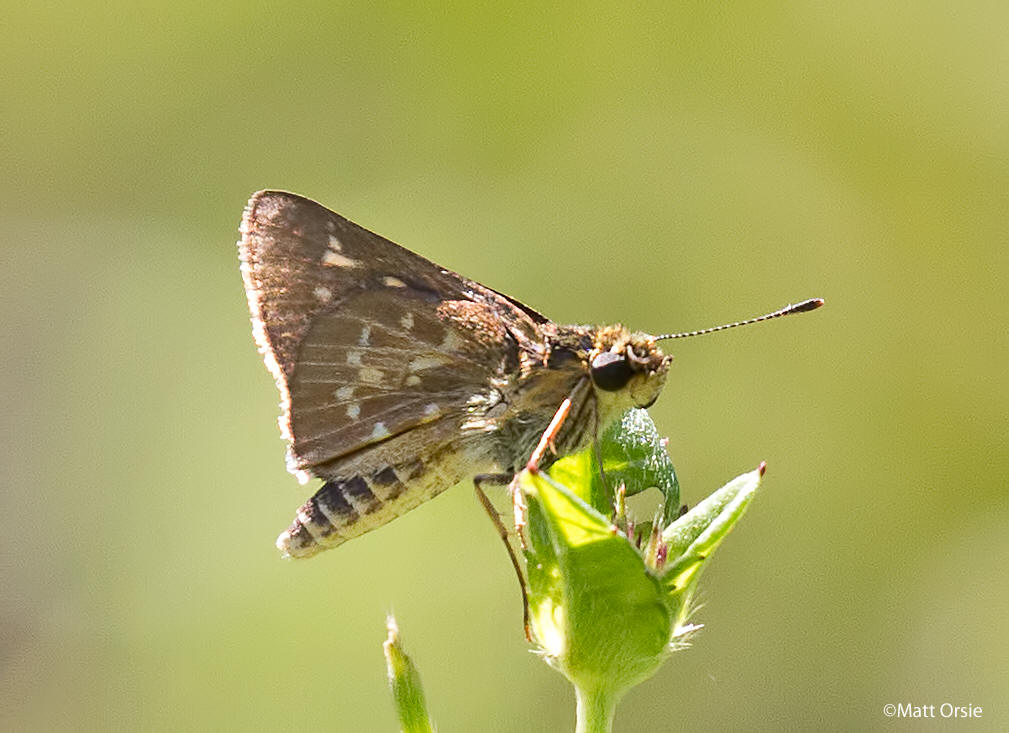
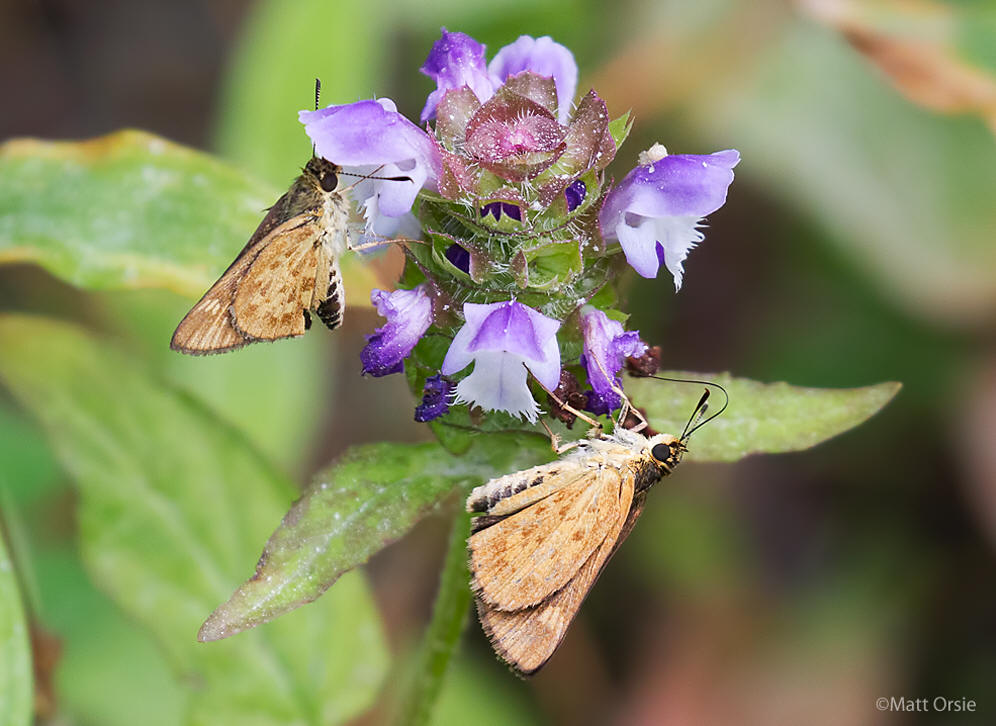
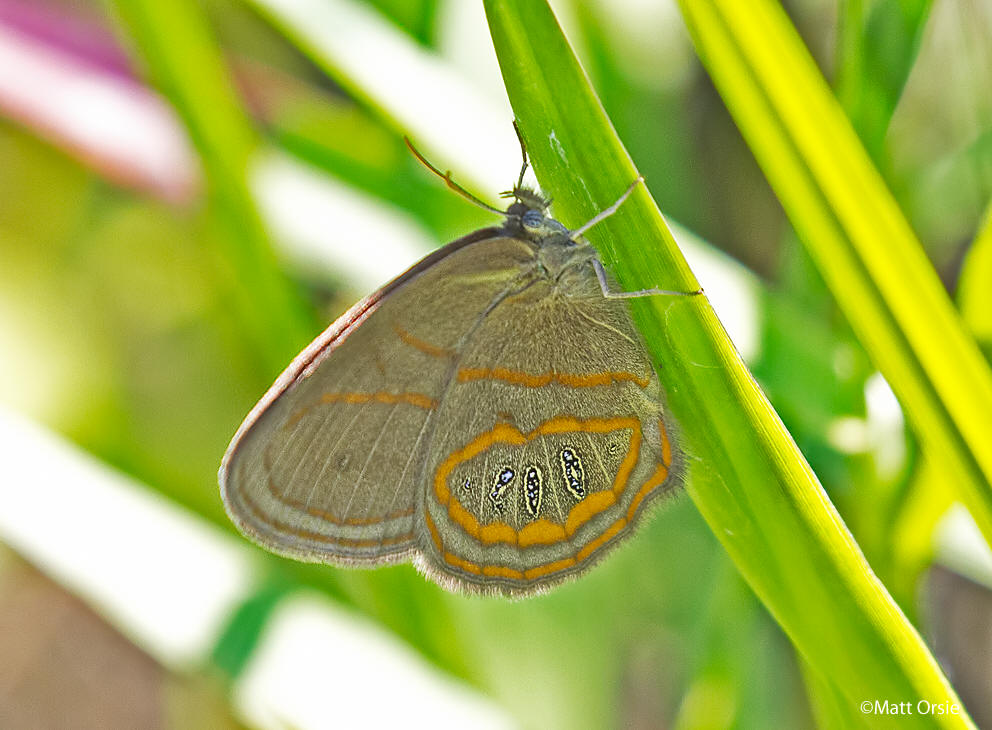
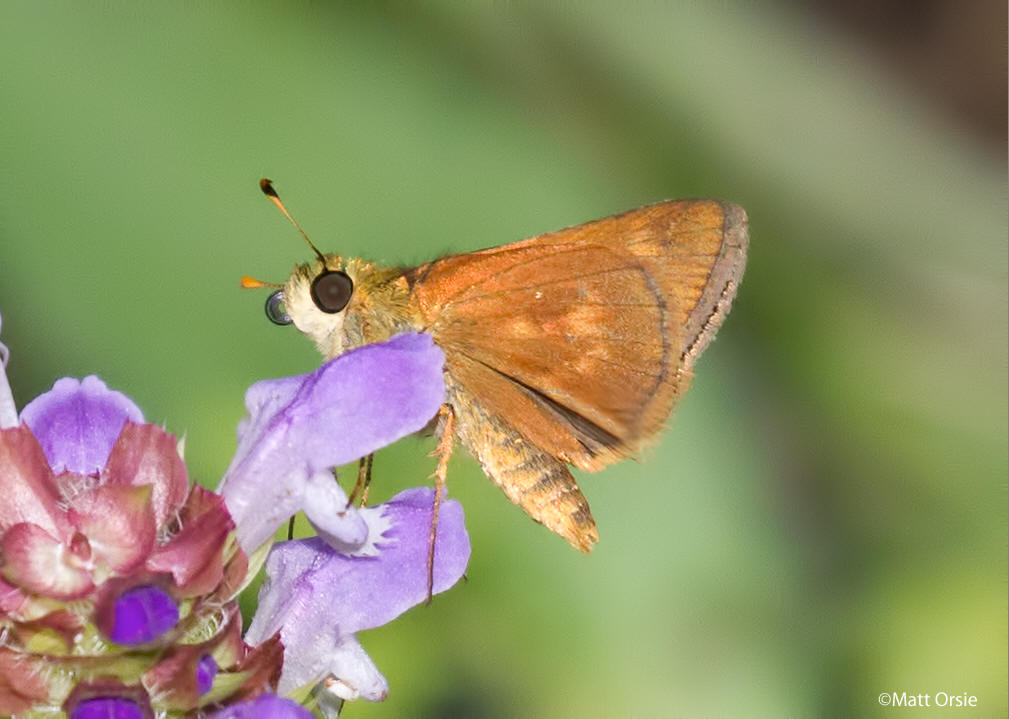
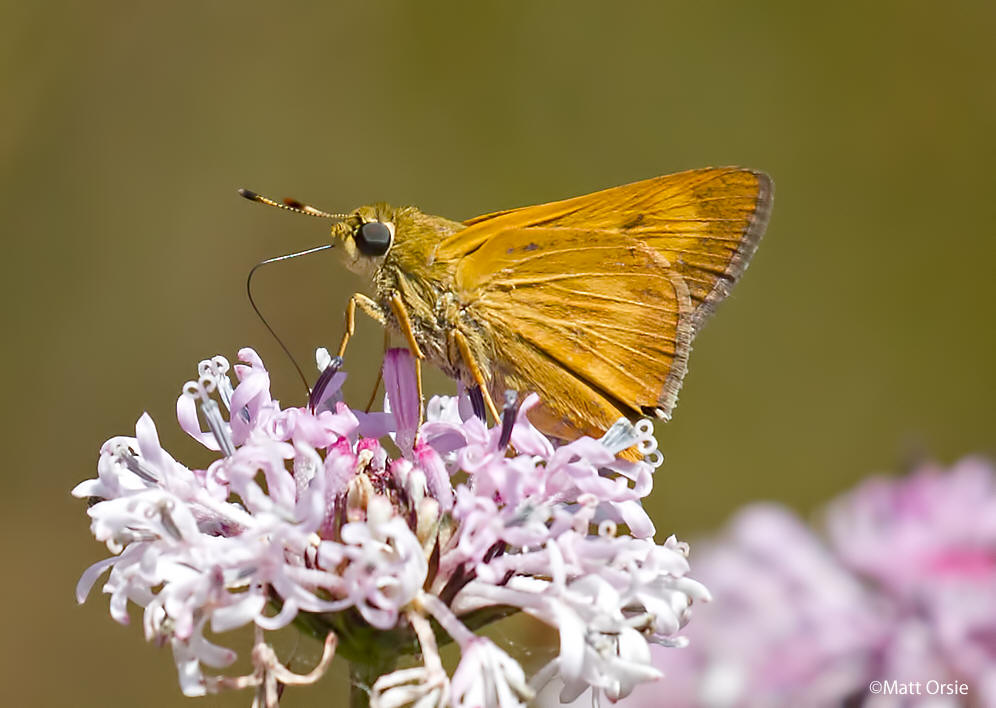
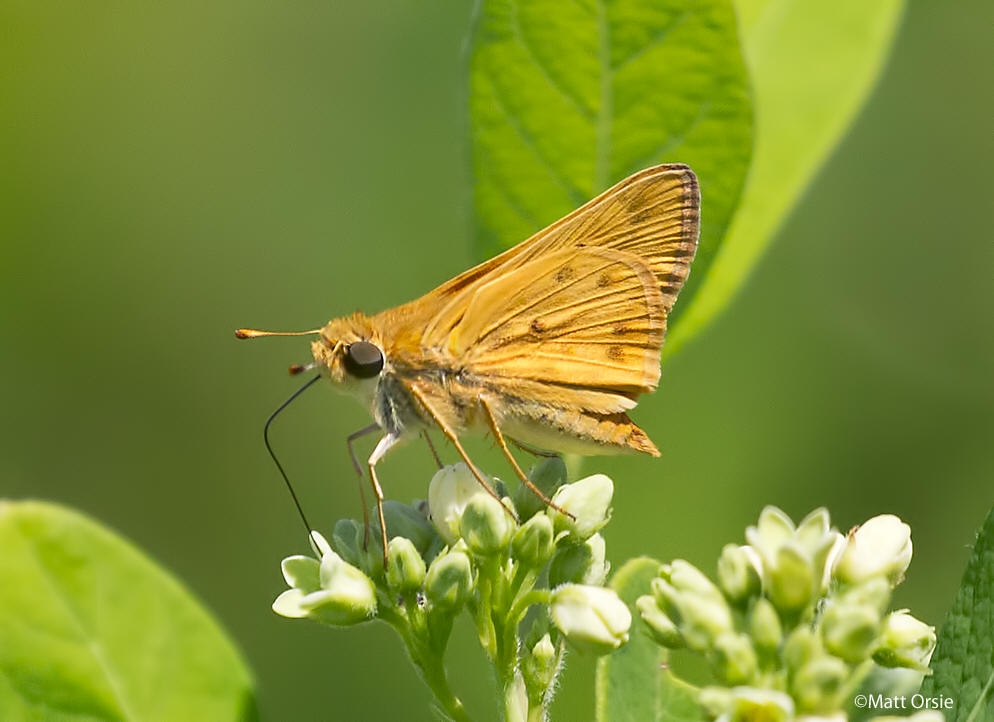
The season is starting to wind down but there are still species on the wing and a few still to come this fall. Barry Marts and I ventured to southeast Virgina to visit Virginia Beach and then finish up at the Great Dismal Swamp. Time is never on your side on a long day trip but the rewards almost always exceed your expectations. Our primary targets for the trip were Dukes’ Skipper and Creole Pearly-eye. And even though we succeeded in finding those species we were given big time bonuses with great looks at a couple of Great Purple Hairstreaks, a large stunning speices primarily found the the southern U.S and for us found on the eastern shore of Maryland, SE Virginia and the coastal plain of North Carolina. The other bonus was great looks (depending on your point of view) of two Water Moccosins. This was a first for both of us. There are times when having a long lens has its advantages(:>

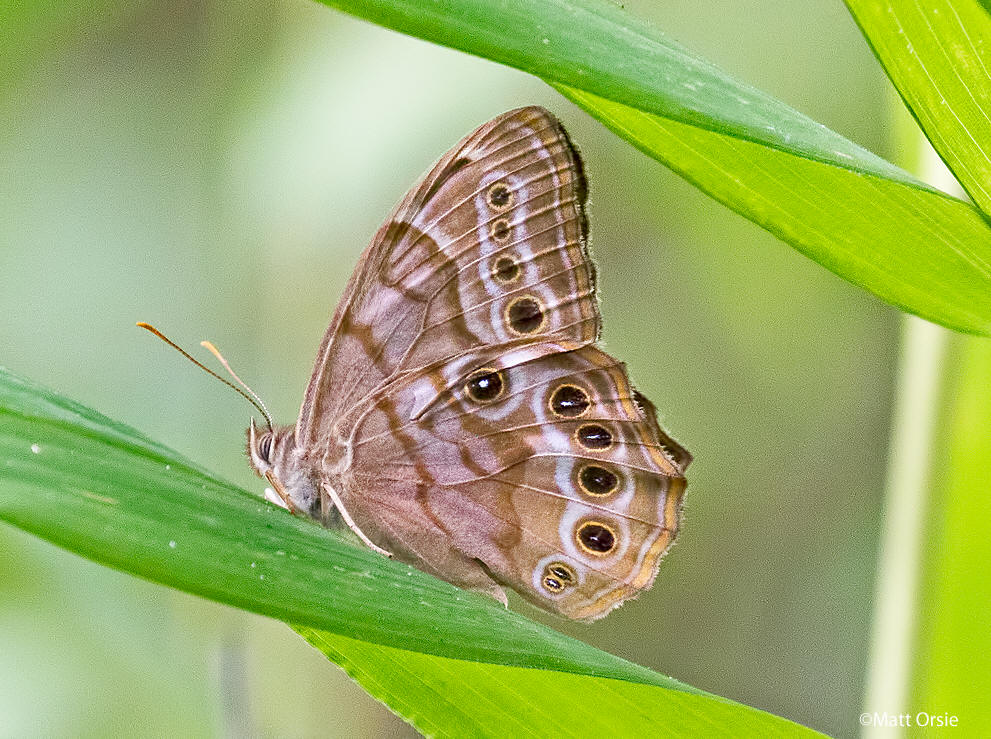
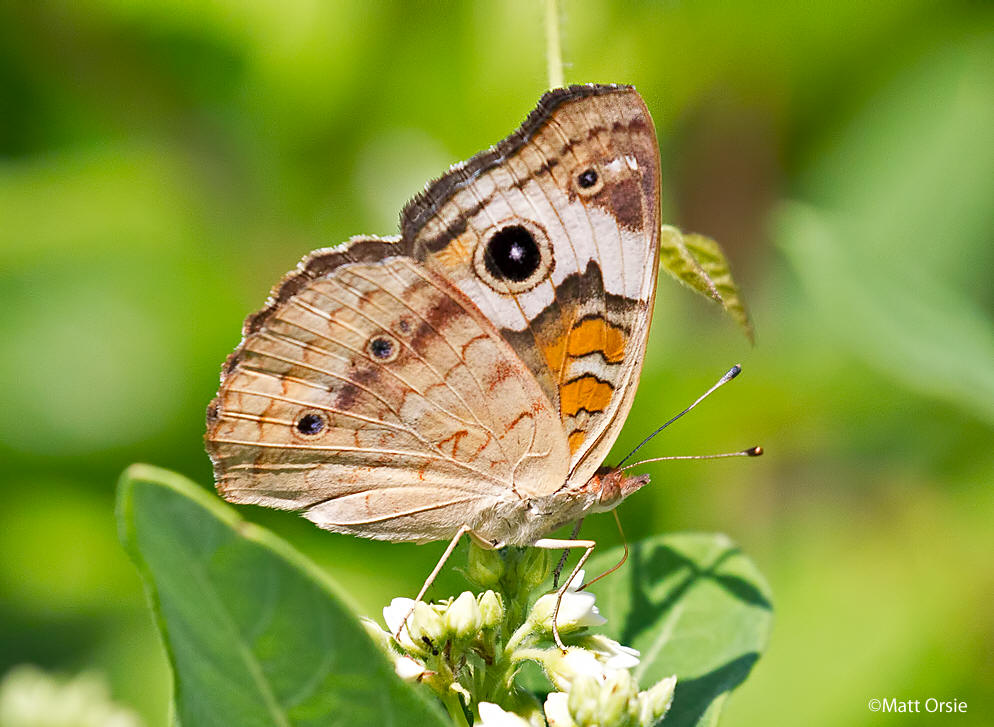
After the stop in Virginia Beach it was on to the Great Dismal Swamp shared by Virginia and North Carolina but is mostly in Virginia. The refuge consists of over 112,000 acres of forested wetlands. Lake Drummond, a 3,100-acre natural lake is located in the heart of the swamp. The lake is one of only two natural lakes in Virginia. The butterfly field guides give you clues based on phenotypical characterics of a species but there are other clues that are just as important in identification, namely location and time of year. Is the species your looking for flying right now? Is it expected in the area your going too? There are three Pearly-eyes in North America. If you look at the field guide range maps they indicate that Northern Peraly-eye would pretty much not be expected at all in SE Virgina. This leaves us with Creole Pearly-eye and Southern Pearly-eye as the possibilities. Among the differences to separate these two speices Southern antenna clubs are all orange while Creoles would be black with an orange tip. You can compare the photos presented below.

I encourage you all to get out during the remaining portion of the season and perhaps you’ll find a surprise or two in the next couple of months.

Click on any image below to enlarge
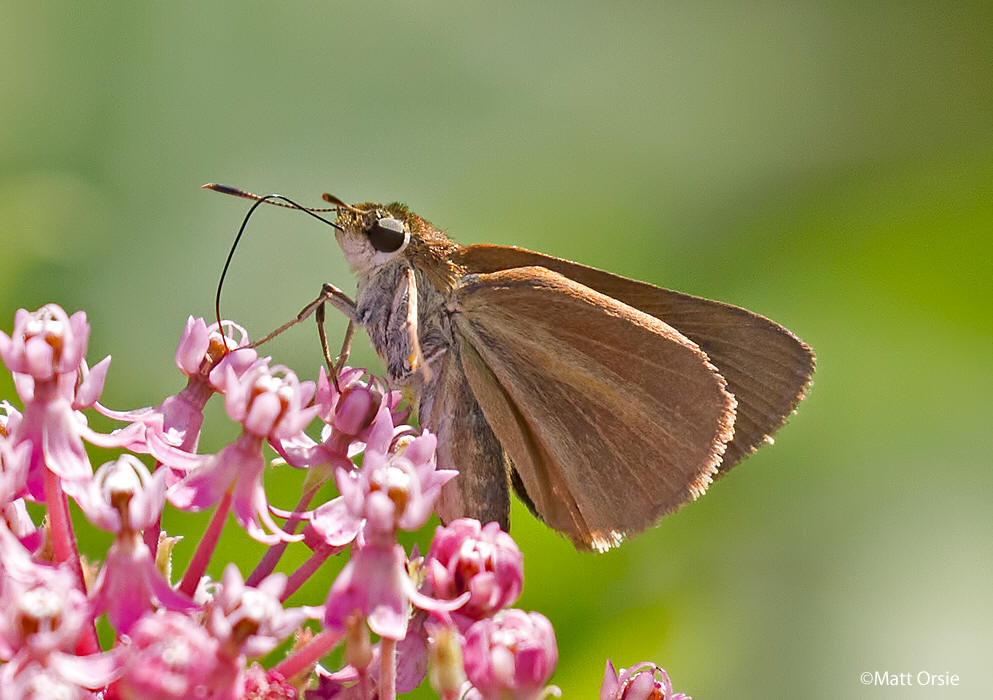
Dukes' Skipper Dukes' Skipper
Great Purple Hairstreak Great Purple Hairstreak
Creole Pearly-eye Southern Pearly-eye
Water Moccasin
Posted in Brush-footed, Butterfly ID, Gossamer-winged, Remote Trip, Satyrs | 2 Comments

North Carolina – Skipper City

This past weekend 5 enthusiastic lepsters (Rick Cheicante, Matt Orsie, Barry Marts, Mike Smith and Tom Pendleton) from WV, MD and VA went on a field trip to SE North Carolina spending time in various locations within Croatan National Forest with a side trip to Fort Macon State Park. The weather could not have been better with low humidity, light breezes and plentiful sunshine. For Barry, Mike and I this was our second trip of the year to SE NC, the first being in early May. Our primary targets were Roadside Skippers and any other rare / regional specialties that have been found in that area. 42 species were seen with the best butterfly being a Berry’s Skipper which posed nicely for photos and played tag team with a Delaware Skipper which made for a nice comparison. Three Cane specialists were seen in decent numbers (Lace-winged Roadside-Skipper (13), Carolina Roadside-Skipper (37), Reversed Roadside-Skipper (6)). Other notables for us were Giant Swallowtails at Fort Macon SP, Little Metalmark, Gulf Fritillary, Georgia Satyr, Zarucco Duskywing, Whirlabout, Byssus Skipper and Twin-spot Skipper.

8-22/23  Croatan NF and Fort Macon SP, NC

2   Giant Swallowtail
7   Eastern Tiger Swallowtial
1   Spicebush Swallowtail
46  Palamedes Swallowtail
135 Cloudless Sulphur
38  Sleepy Oranage
7   Gray Hairstreak
9   Red-banded Hairstreak
2   Eastern Tailed-Blue
3   Summer Azure
4   Little Metalmark
1   Gulf Fritillary
9   Pearl Crescent
12  Common Buckeye
3   Red-spotted Purple
42  Carolina Satyr
12  Georgia Satyr
2   Common Wood-Nymph
1   Monarch
2   Silver-spotted Skipper
1   Southern Cloudywing
1   Hayhurst's Scallopwing
3   Horace's Duskywing
2   Zarucco Duskywing
1   Swarthy Skipper
4   Clouded Skipper
3   Least Skipper
16  Firey Skipper
8   Tawny-edged Skipper
1   Whirlabout
22  Southern Broken-Dash
1   Little Glassywing
1   Delaware Skipper
6   Byssus Skipper
1   Berry's Skipper
3   Dun Skipper
13  Lace-winged Roadside-Skipper
37  Carolina Roadside-Skipper
6   Reversed Roadside-Skipper
28  Twin-spot Skipper
1   Salt Marsh Skipper
16  Ocola Skipper

Click on any image below to enlarge

Lace-winged Roadside-Skipper Reversed Roadside-Skipper
Carolina Roadside-Skipper Carolina Roadside-Skipper
Berry's Skipper Berry's Skipper
Twin-spot Skipper Georgia Satyr
Southern Broken-Dash Clouded Skipper
Byssus Skipper Delaware Skipper
Posted in Blues, Brush-footed, Duskywings, Gossamer-winged, Metalmarks, Milkweed Butterflies, Remote Trip, Satyrs, Skippers, Swallowtails, Whites and Sulphurs | Leave a comment

Ocola Skipper

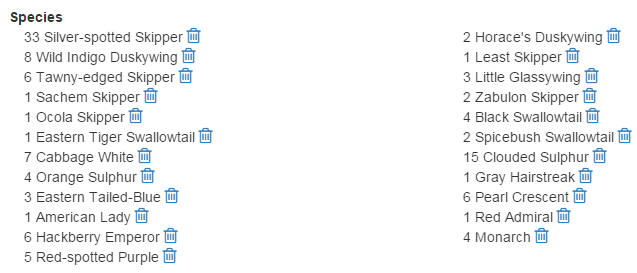
For the second year in a row I’ve had an Ocola Skipper in the yard on Butterfly Bush. This more southern species irrupts northward in the later part of summer and there had been numerous reports from VA and MD and PA during the last couple of weeks. I’m just glad one decided to pay me a visit. Have seen 23 species in the yard over the past three days.

Quail Run B'flies

Posted in Blues, Brush-footed, Duskywings, Gossamer-winged, Milkweed Butterflies, Skippers, Swallowtails, Whites and Sulphurs | 2 Comments

Eastern Neck NWR

Fresh off a great day of butterflying during Saturday on the Loudoun county, VA count Barry and I headed to Kent county, MD in search of more coastal species and the possibility of southern irruptives. Although the NWR, which is on an island, is only 6 or 7 air miles from the Bay Bridge it takes a good hour to get from the bridge to the island unless you have a boat. From various vantange points you can see the Bay Bridge, Kent Narrows bridge, Francis Scott Key bridge and the city of Baltimore across the bay. Seeing all of that water makes it hard to imagine that the 180 mile long Chesapeake Bay’s average depth is only 22 feet! We spent four hours around the immediate area of the butterfly garden. The predominant nectoring sources now are some false Sunflowers, Ironweed and Joe-Pye Weed. Out of the thirty species seen half of them were skippers (Open-winged and Grass). Notables were Common Buckeye, Fiery Skipper and both Broken-Dashes.

7-11  Eastern Neck NWR, MD

76 Silver-spotted Skipper
8  Horace's Duskywing
1  Common-checkered Skipper
1  Swarthy Skipper
1  Least Skipper
5  Fiery Skipper
1  Peck's Skipper
1  Northern Broken-Dash
2  Southern Broken-Dash
38 Little Glassywing
2  Sachem
1  Delaware Skipper
17 Zabulon Skipper
6  Broad-winged Skipper
2  Dun Skipper
59 Zebra Swallowtail
17 Eastern Tiger Swallowtail
6  Spicebush Swallowtail
2  Cabbage White
3  Orange Sulphur
5  Gray Hairstreak
7  Eastern-tailed Blue
2  American Snout
2  Variegated Fritillary
25 Pearl Crescent
4  Red Admiral
1  Common Buckeye
1  Viceroy
9  Monarch
6  Red-spotted Purple

Click on any image below to enlarge

Southern Broken-Dash Northern Broken-Dash
Fiery Skipper Common Buckeye
Posted in Blues, Brush-footed, Duskywings, Gossamer-winged, Milkweed Butterflies, Remote Trip, Skippers, Swallowtails, Whites and Sulphurs | 2 Comments

Hayhurst’s Scallopwing

I’ve had a couple chances to get out locally this week. The summer brood of grass skippers have emerged and Silvery Checkerspots are again on the wing. At the house notables have been many Peck’s, Tawny-edged Skippers, Sachem, American Snout (only the second of the year) and both Emperors. At Harper’s Ferry South School House Ridge are fresh Zabulon Skippers and Silvery Checkerspots. Today at the main Harper’s Ferry area I saw a Hayhurst’s Scallopwing (Staphylus hayhurstii), one of only three species found in North America. I hadn’t seen one in West Virginia in four years. I tried getting a zoomed in photo with the cell phone but the image quality is bad.

Posted in Brush-footed, Skippers | Leave a comment