FOY Skippers – Cool Spring

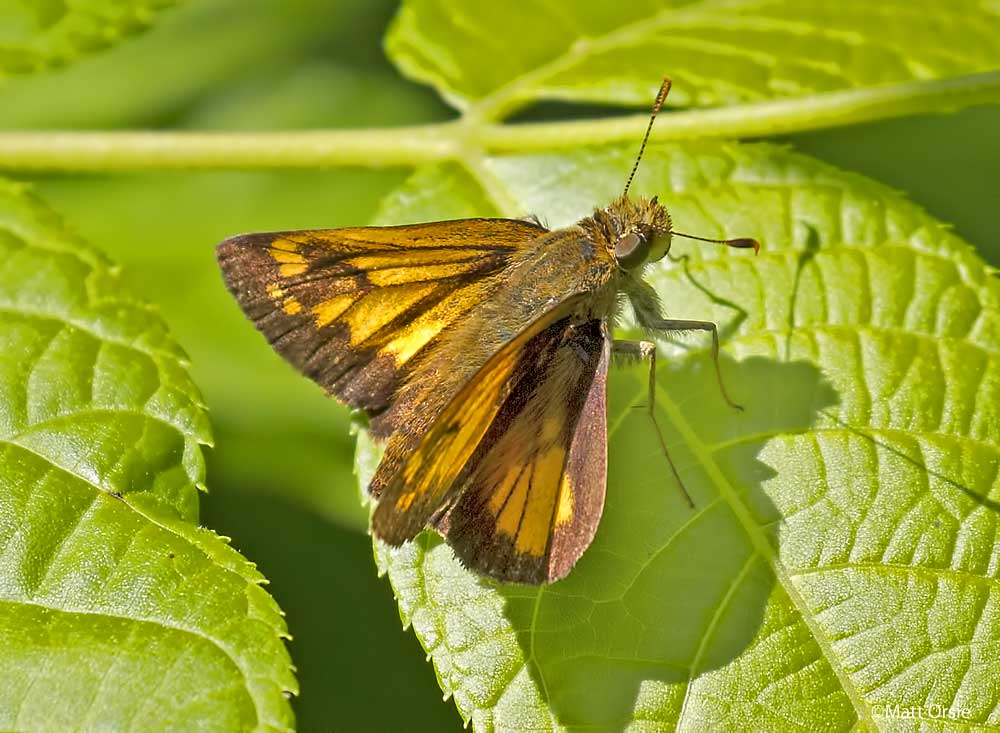
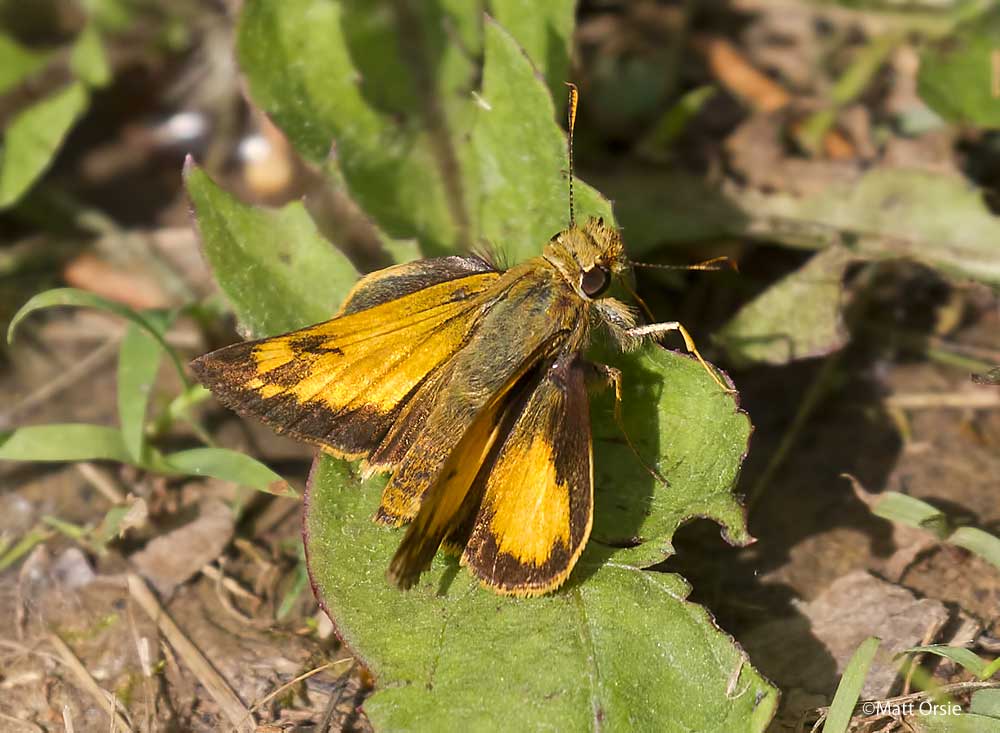
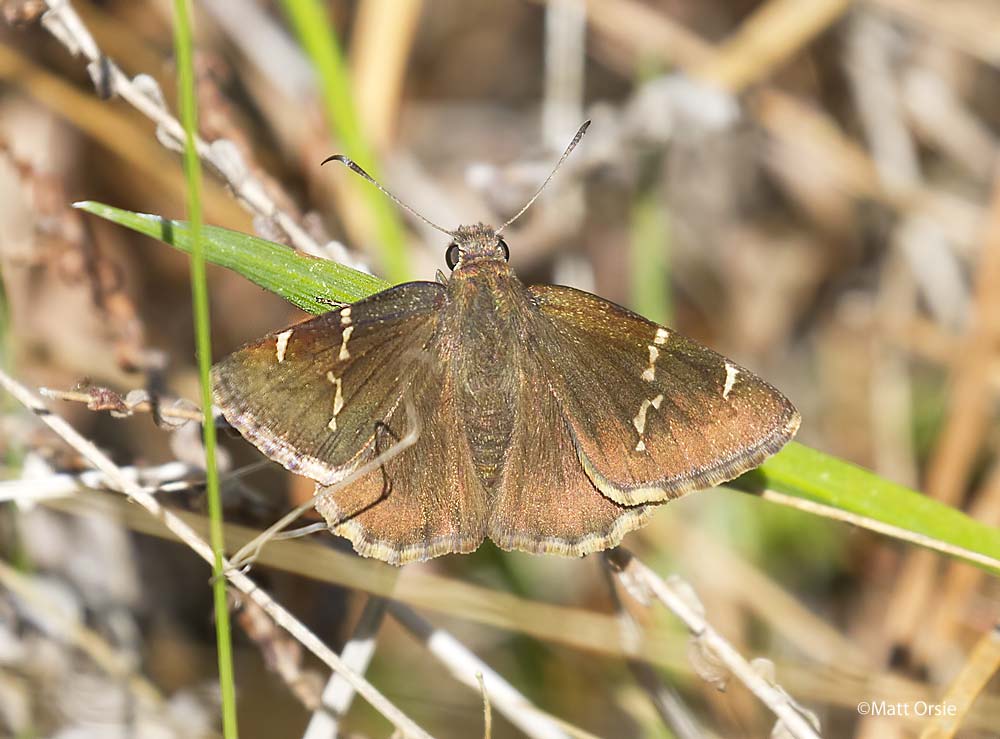
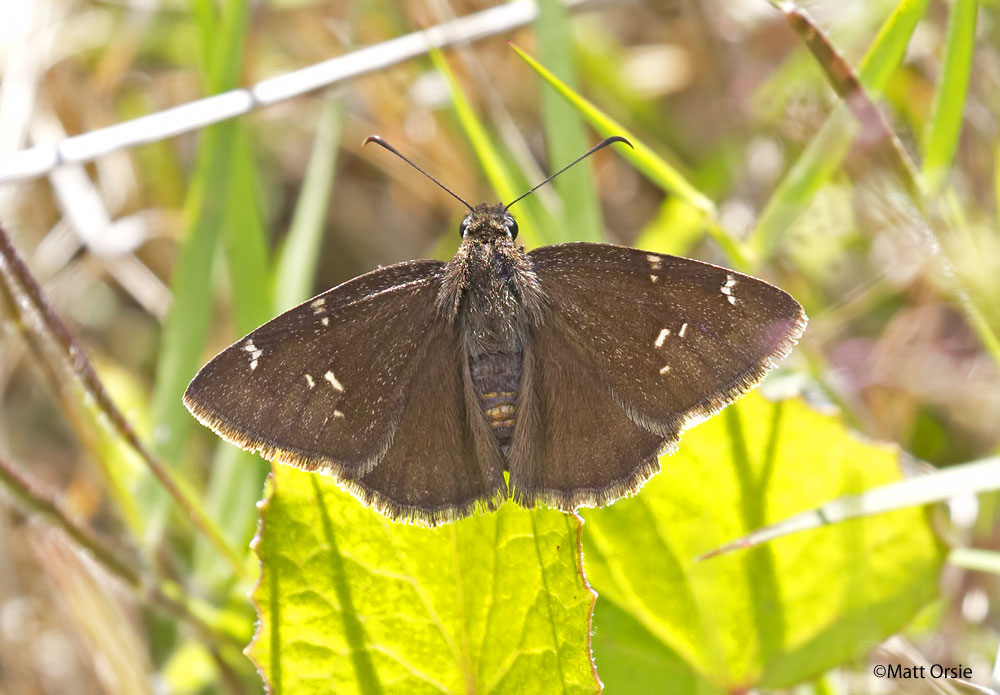
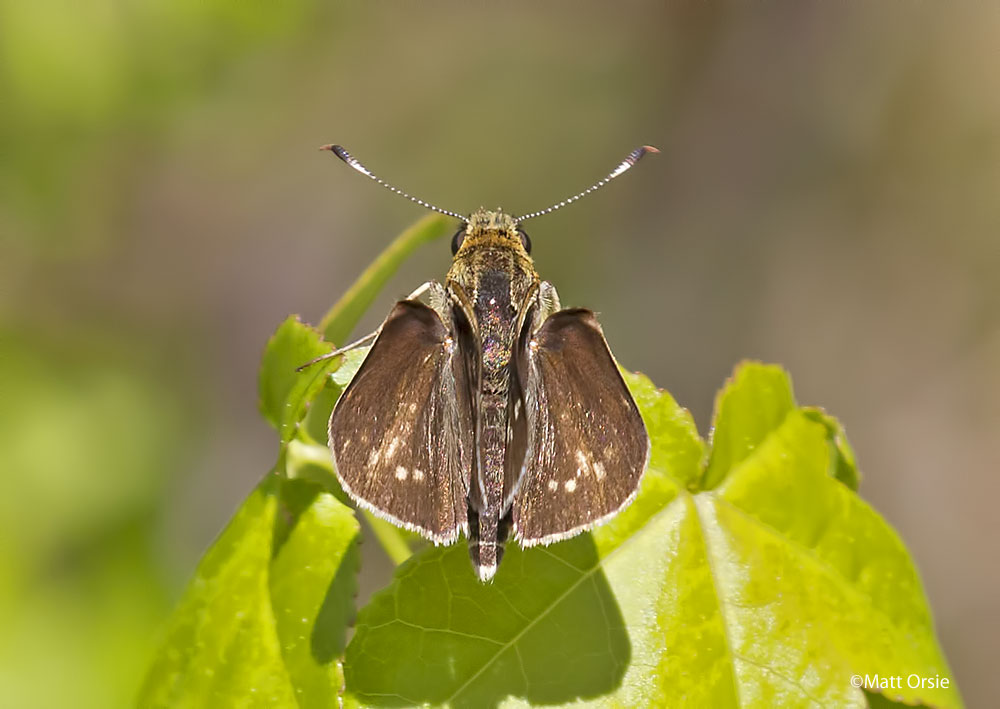
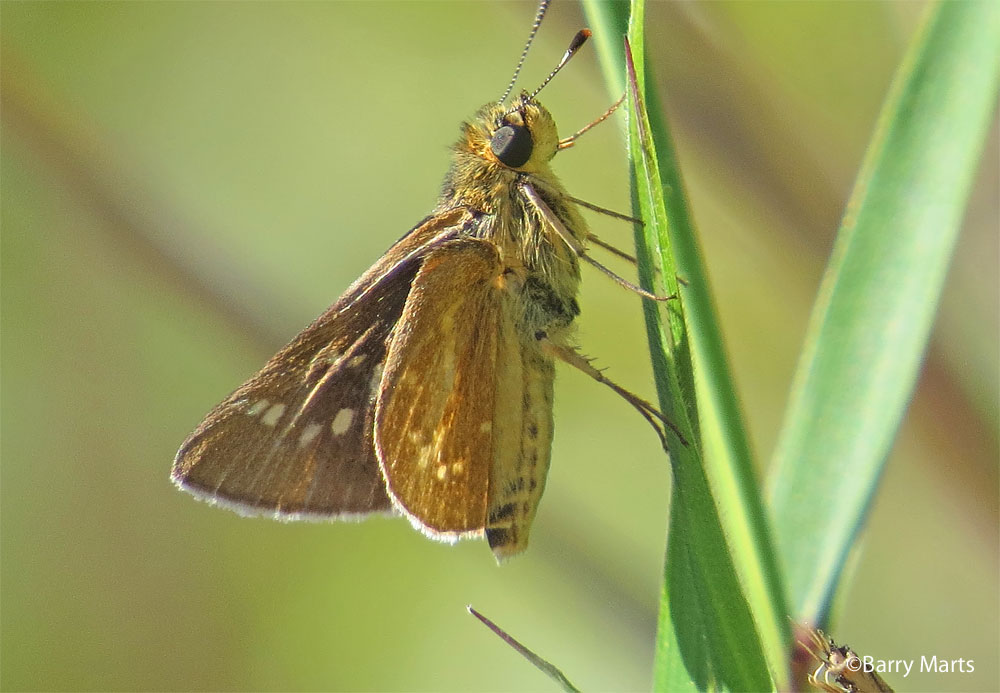
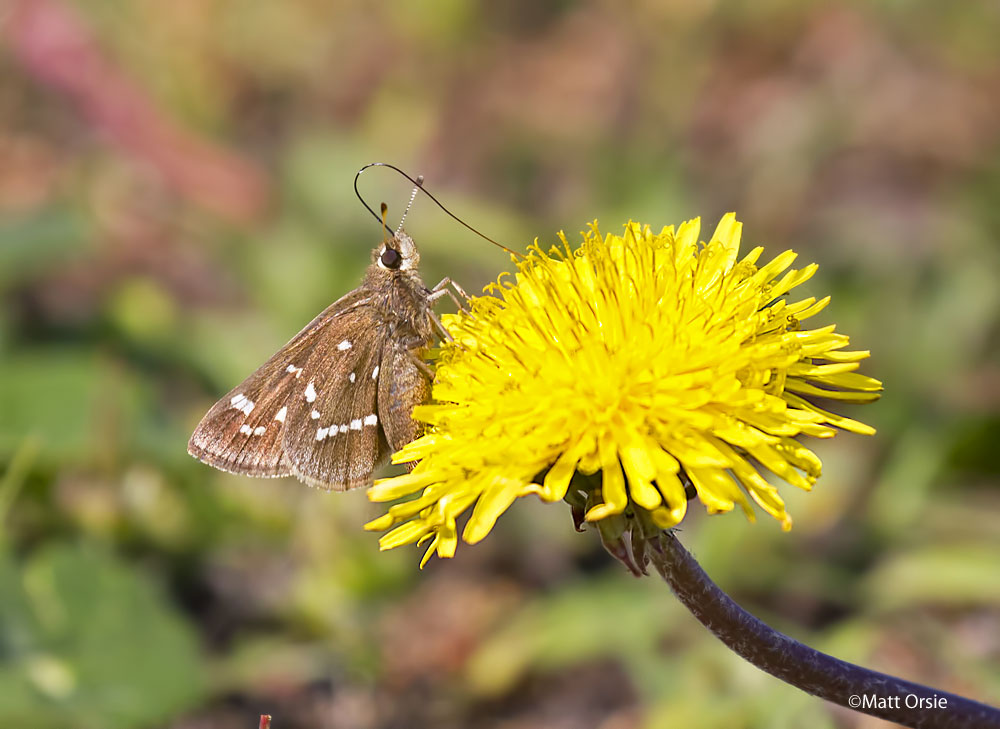
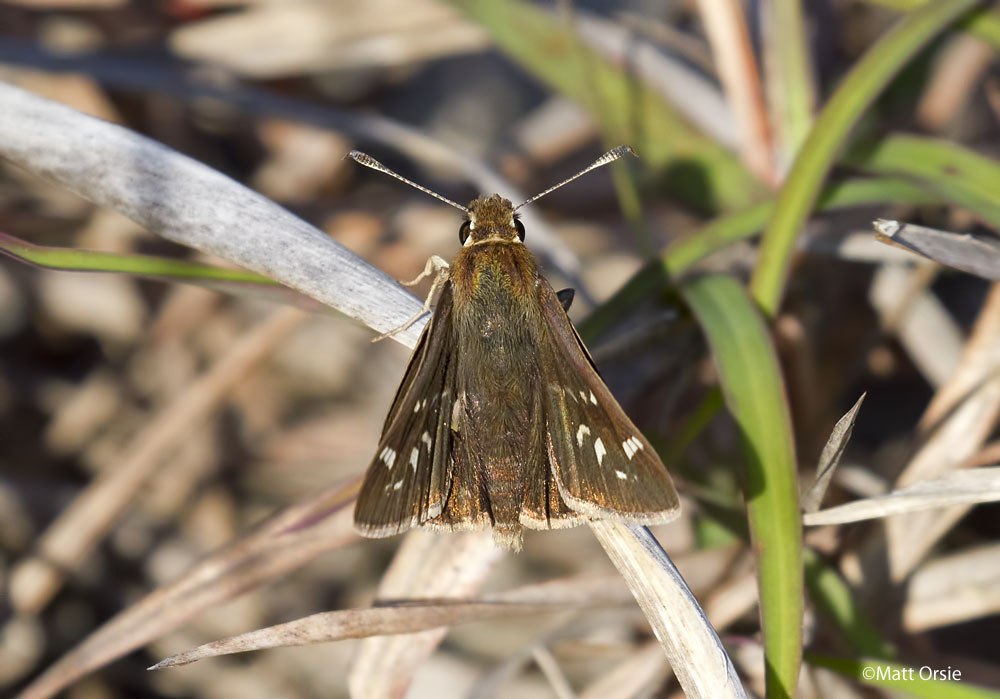
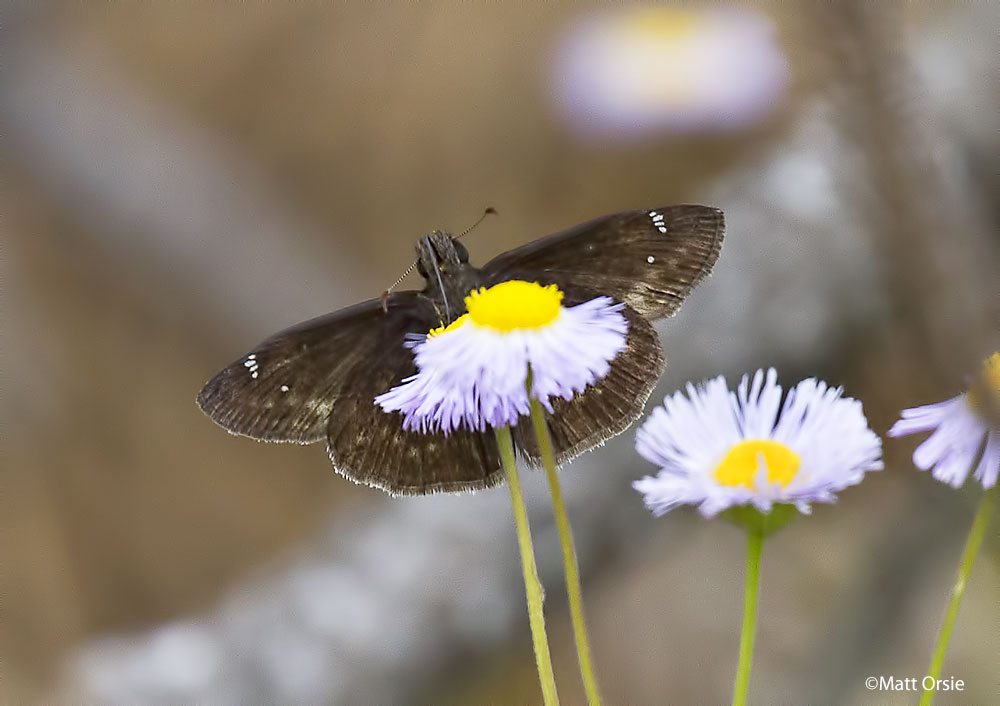
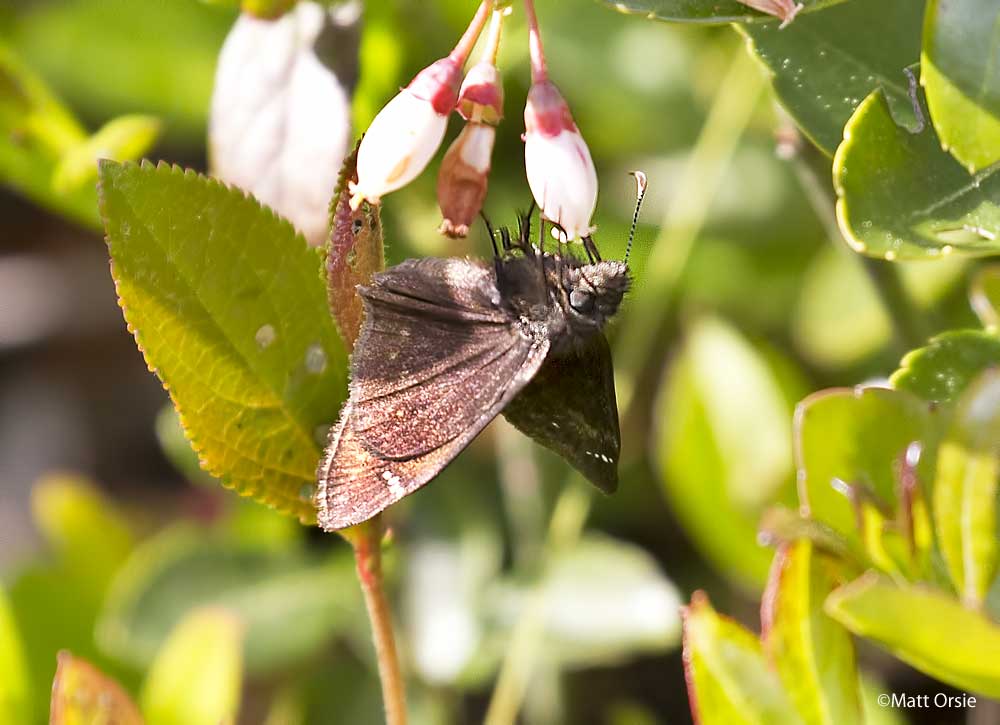
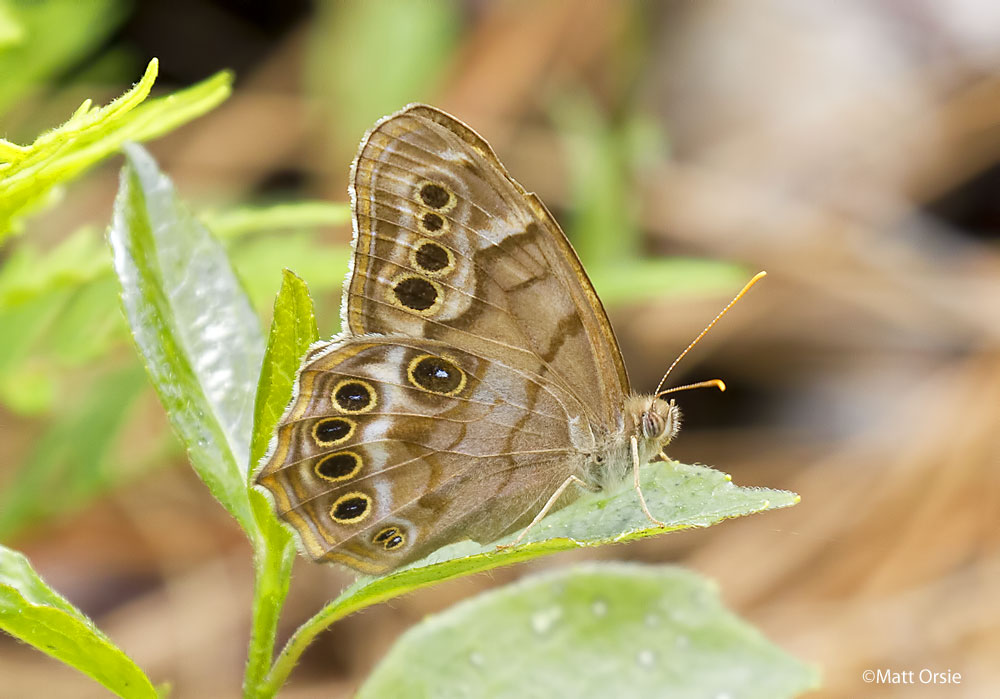
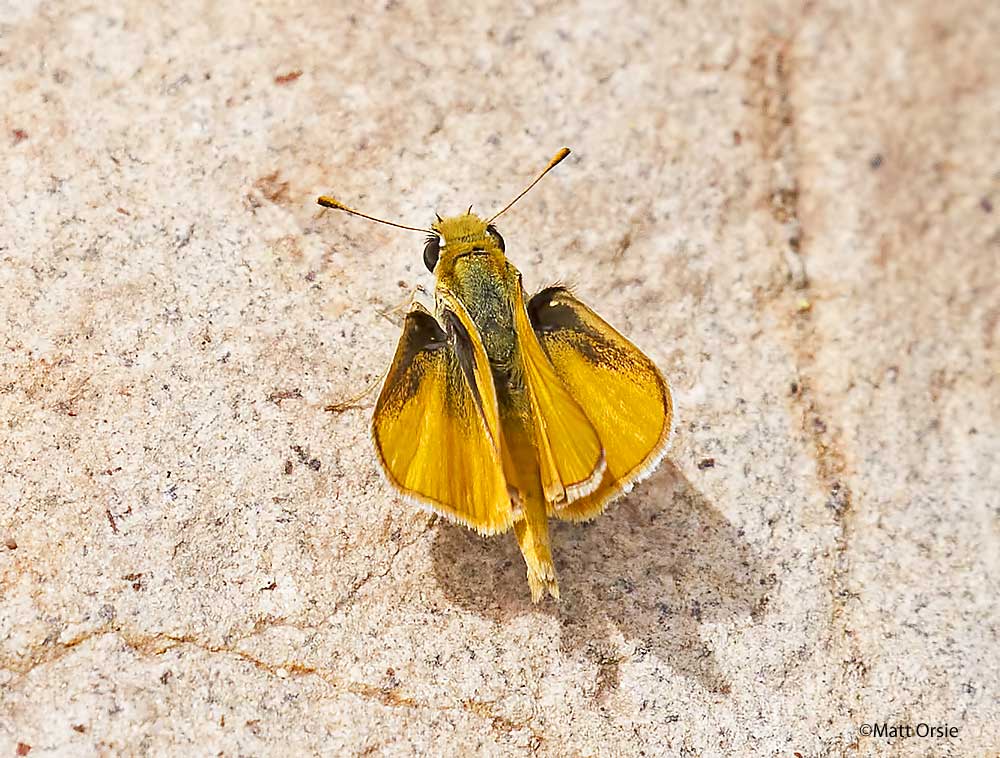
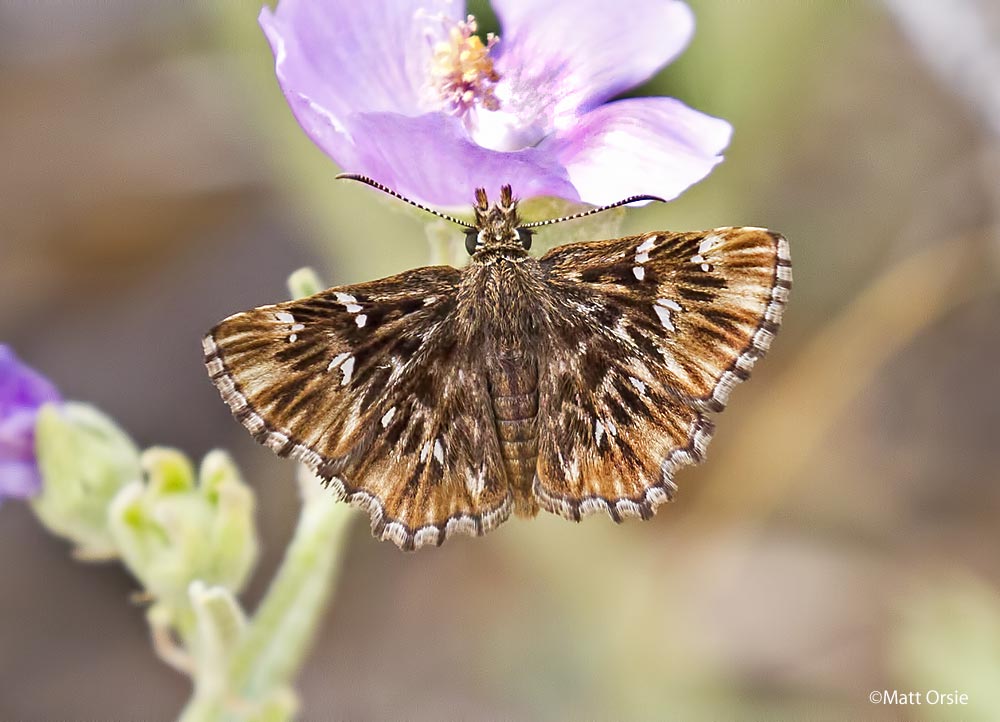
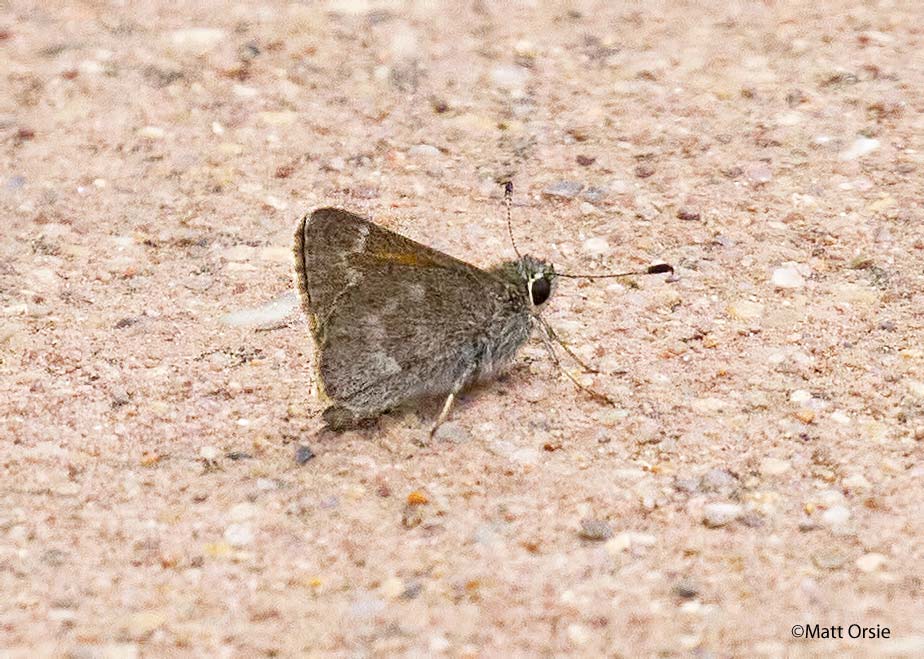
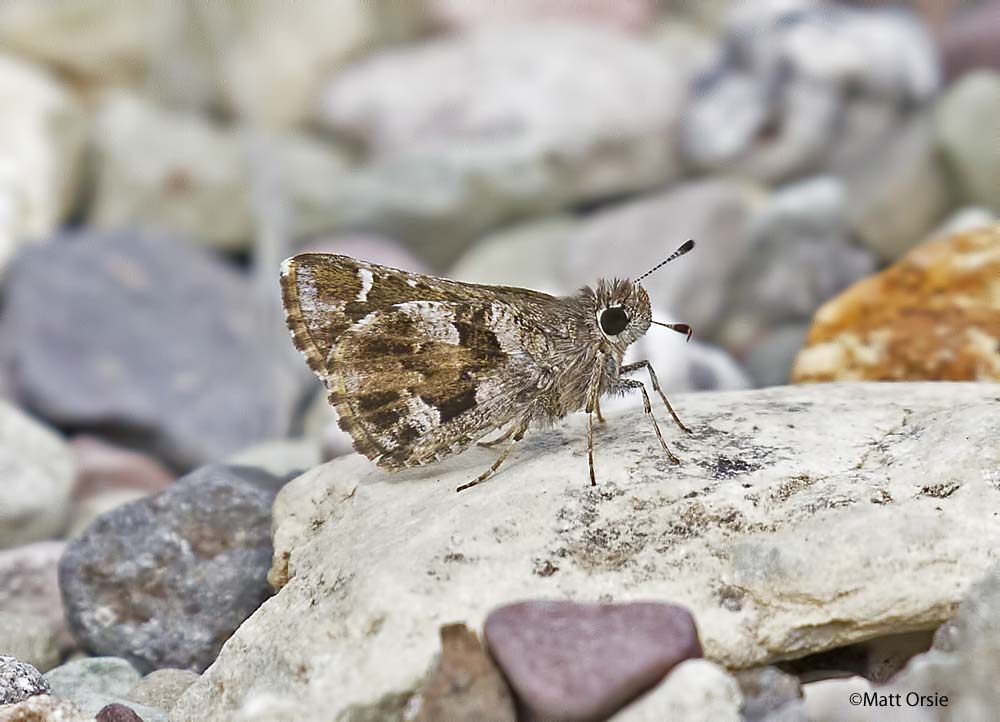
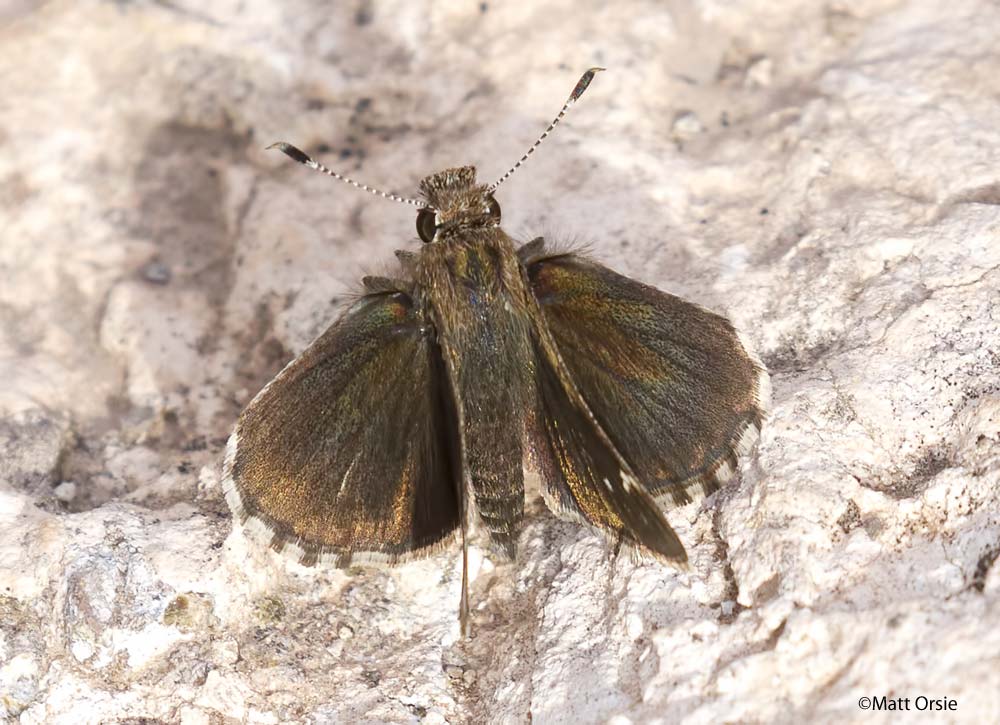
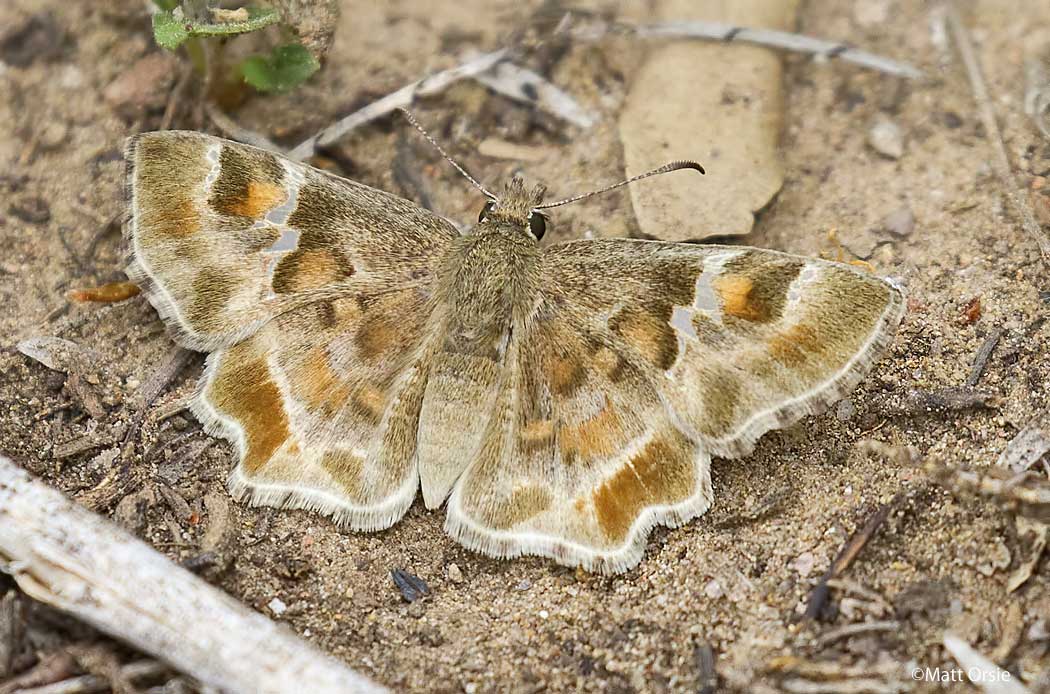
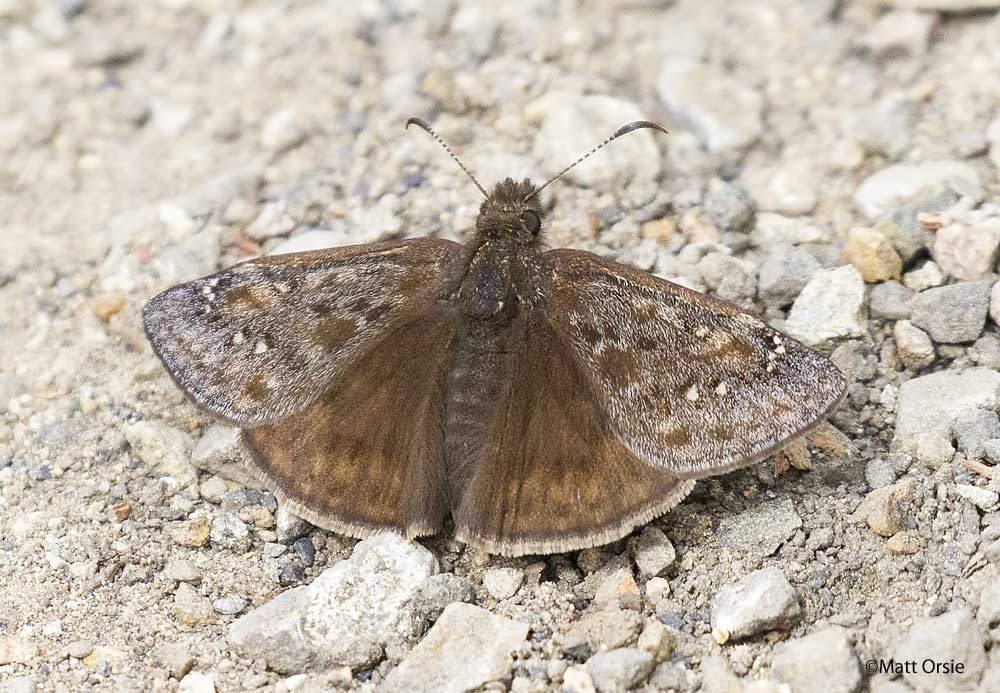
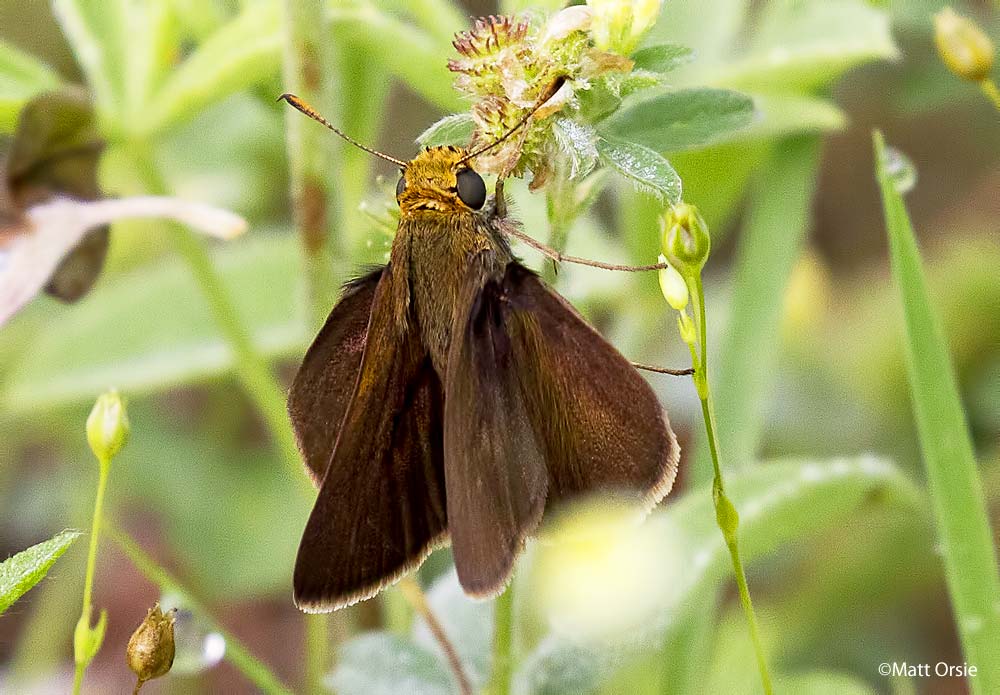
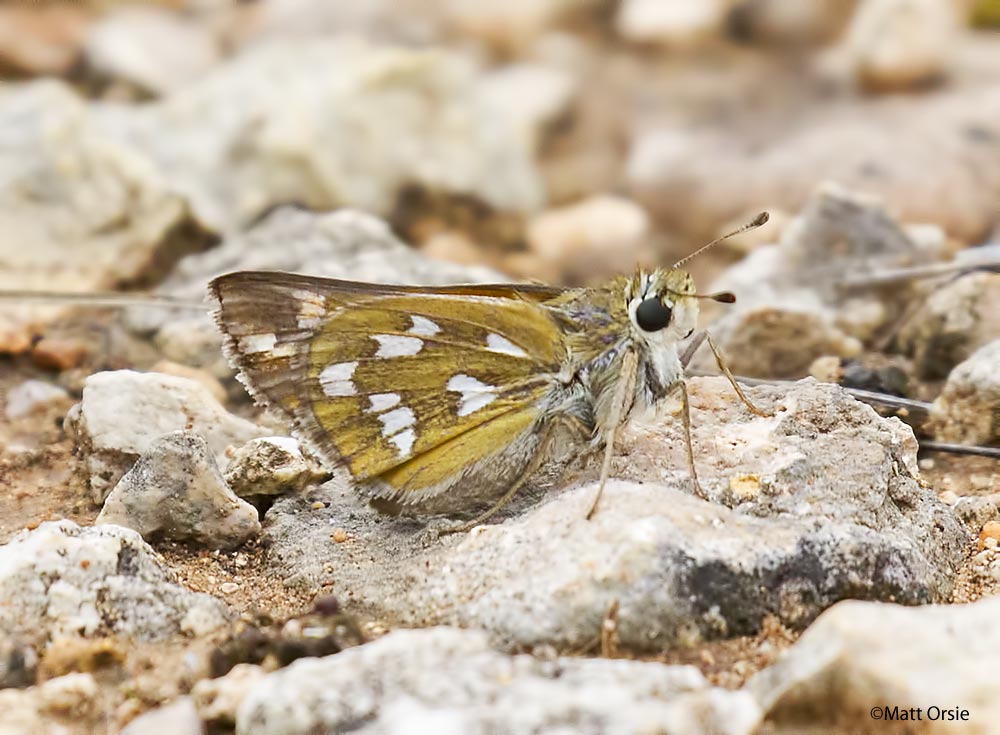
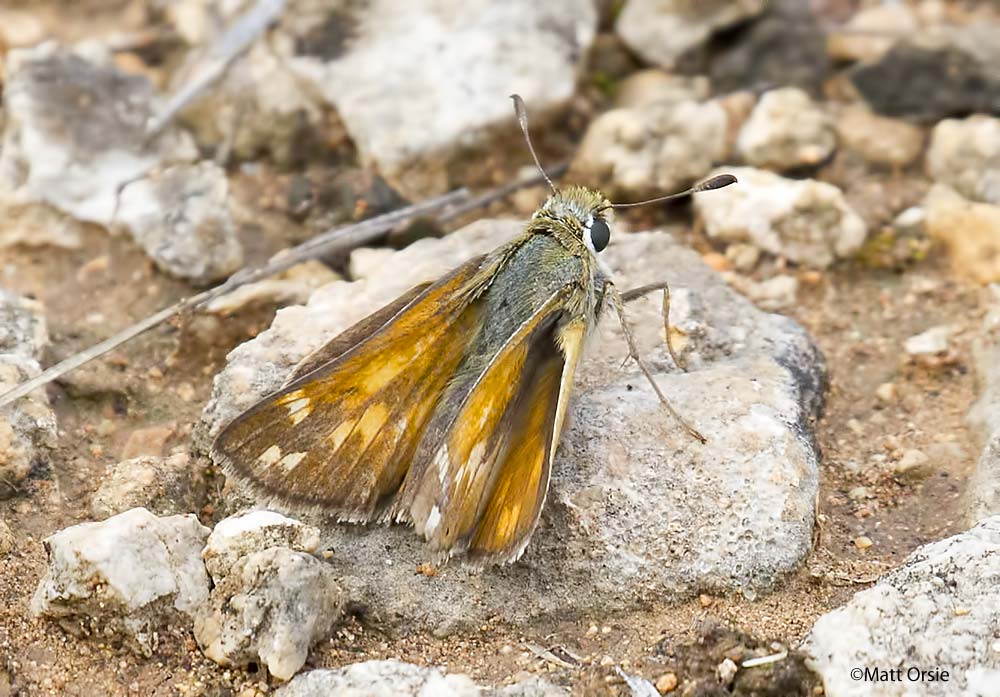
Took my dog Shadow for a walk on a cool’ish 70 degree day. This did not keep the leps down however. I saw FOY Zabulon Skipper (2), Hobomok Skipper (2), and Little Wood-Satyrs (20+) on a cruise through the trails of Cool Spring in southern Jefferson county. You’ll note that the two male skippers look somewhat similar in a dorsal view. If that’s the only view your getting you can tell them apart by looking at the veining. The Homobok has black veins and the Zabulon does not.

Click on any image below to enlarge

Hobomok Skipper Zabulon Skipper
Posted in Butterfly ID, Uncategorized | Leave a comment

Cobweb Skipper, American Coppers

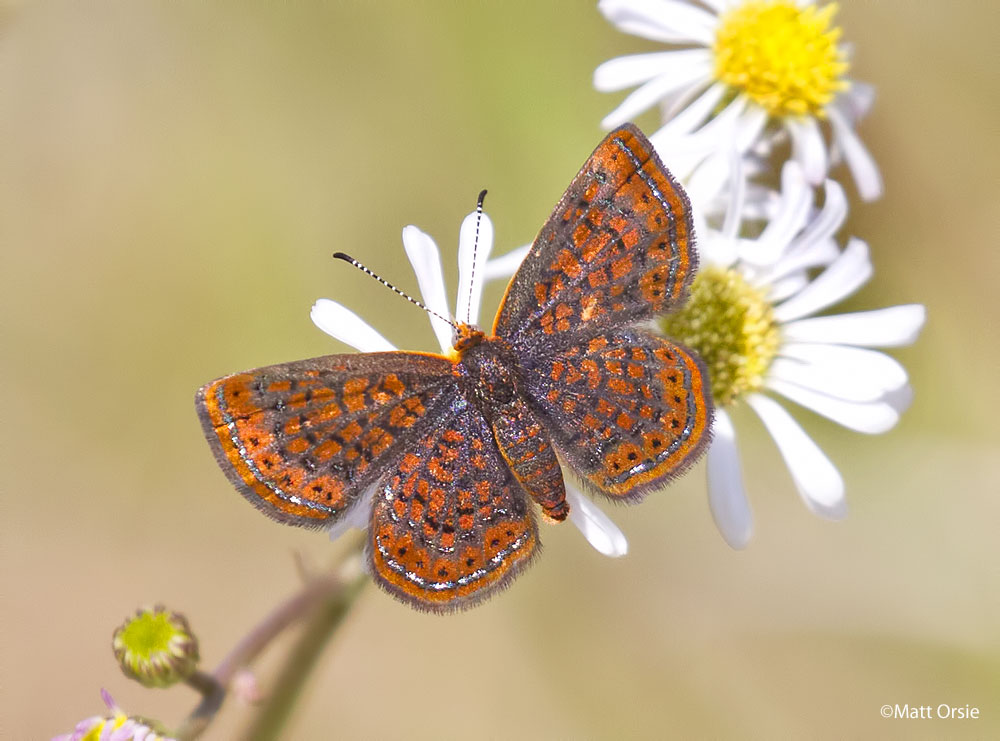
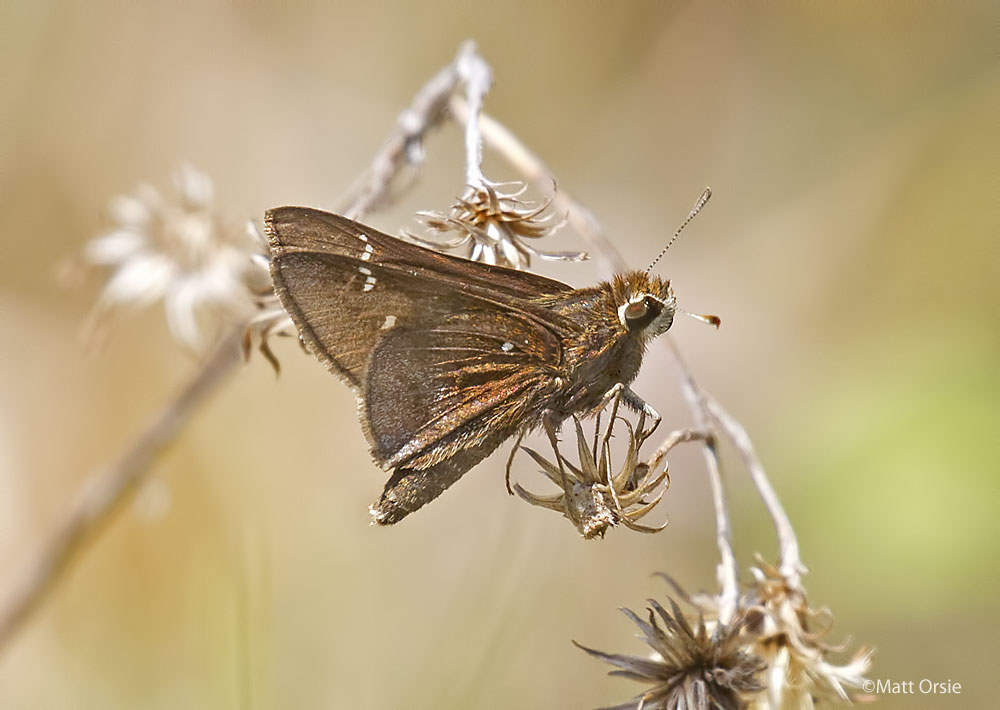
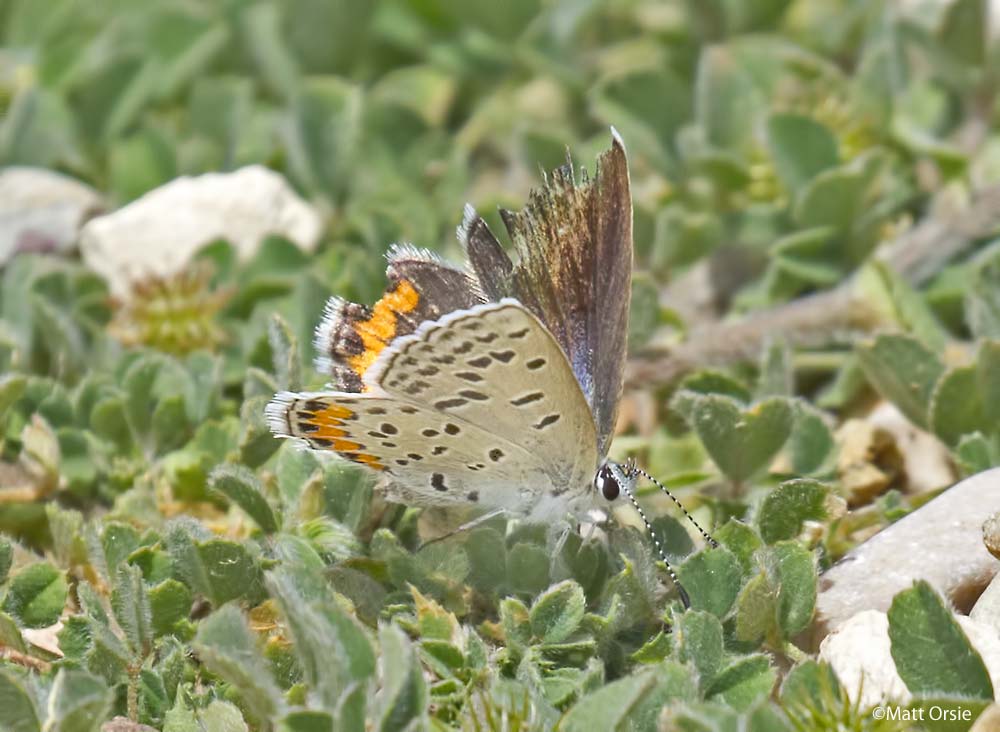
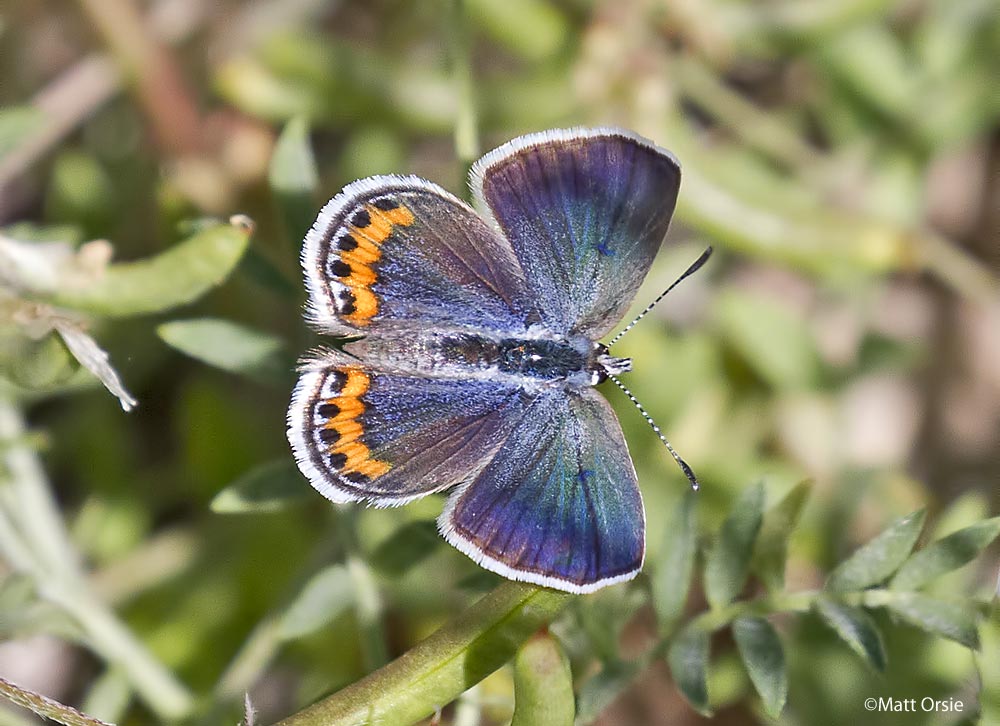
Barry Marts and I headed out to Nathaniel WMA located in Hardy county, WV in hopes of finding some left over Cobweb Skippers and perhaps a Dusted Skipper which, to my knowledge not ever been reported from that area. The Sun was out for the first couple of hours. We struck out on both of those skippers in that location but found a mother lode of American Coppers (31), many duskywings, some of which would remain Juvenal’s / Horace’s sp. There was a noticable shortage of Sulphurs continuing the trend of this spring. We flipped a coin whether to head north to Green Ridge SF or south to Reddish Knob in Pendleton county, WV. Green Ridge SF won the toss, however, a check of the current weather radar prompted us to overrule the coin toss and head south. No other peak rises higher than Reddish Knob (4,397 ft) as you go northeast until you get to the Adirondack mountains. It was the wise decision. We only had a couple of short rain showers and that was not until 3pm. Many species were found in a couple of power line cuts and we even saw a few male Falcate Orangetips near the peak. Silvery Blues were still on the wing. Several probable Appalachian Tiger Swallowtails were seen but never sat down for closer examination. We saw 21 species all told with my personal highlights being a male Cobweb Skipper and a pair of Brown Elfins (state lep) both found on Reddish Knob. The aggregate totals are below:

Silver-spotted Skipper     3
Northern Cloudywing        3
Dreamy Duskywing          22
Sleepy Duskywing           1 (female)
Junvenal's Duskywing       4
Wild Indigo Duskywing      1
Cobweb Skipper             1
Pipevine Swallowtail       1
Eastern Tiger Swallowtail  8
Spicebush Swallowtail      2
Falcate Orangetip          3
Clouded Sulphur           14
Orange Sulphur             4
American Copper           31
Brown Elfin                2
Eastern Tailed-Blue       21
Silvery Blue               2
Pearl Crescent            12
Mourning Cloak             1
Red Admiral                1
American Lady             11
Posted in Blues, Brush-footed, Duskywings, Gossamer-winged, Skippers, Swallowtails, Whites and Sulphurs, WV Trip | 1 Comment

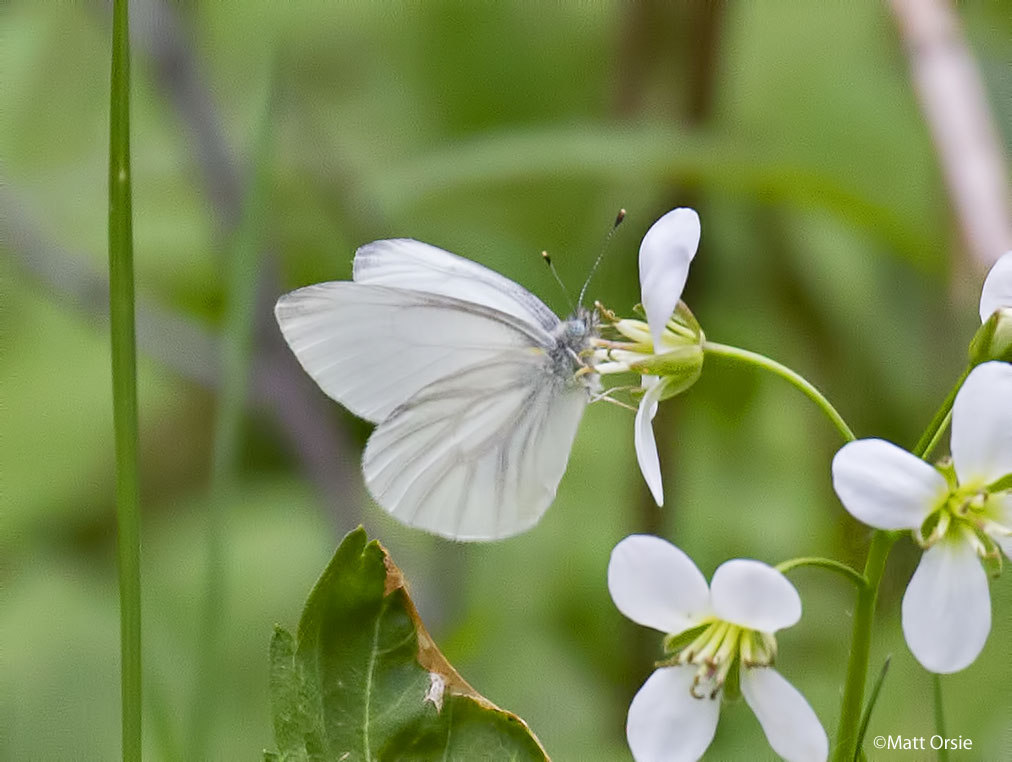
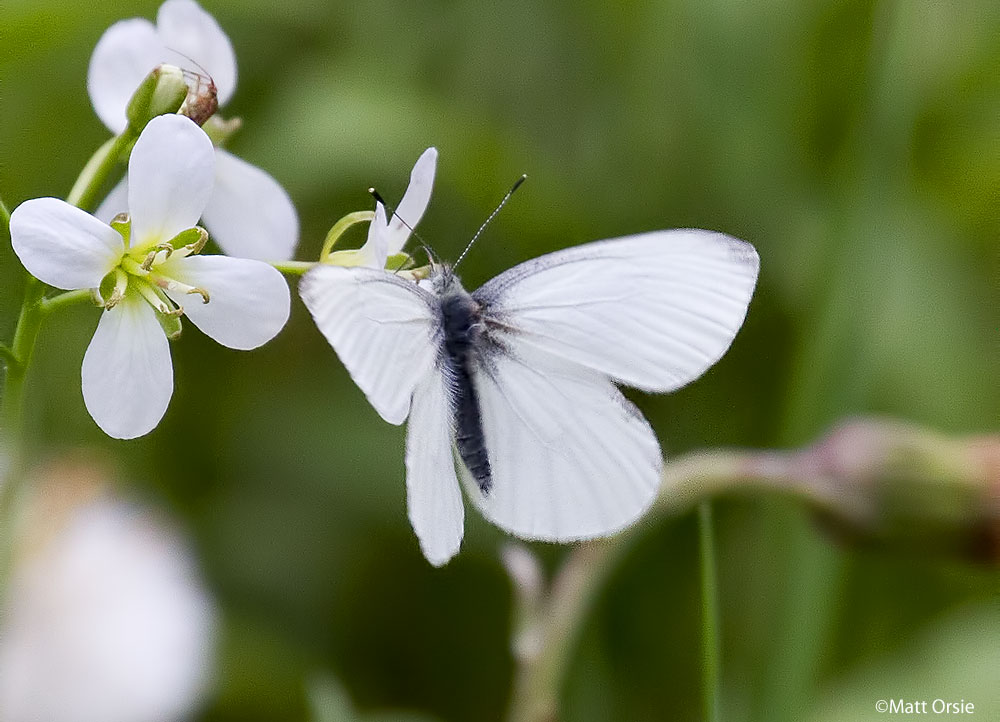
West Virginia White

Once a year in April through mid-May there is a flight of West Virginia White in the mountains of WV. Toothworts are the preferred food plant. They can be identified via the lack of any spots on the forewings (although in rare instances spring Cabbage Whites don’t have spots) and strong, gray outlined veining on the ventral hindwing. I saw them while scouting for birds in the mid to high elevations of Nicholas and Pocahontas counties during the past weekend. I also saw some during the actual birding “Big Day’ on Saturday but my buddies reminded me to “concentrate on birds” (:> The West Virginia White ranges from northern Wisconsin through Ontario then down through the higher elevations of Pennsyvannia along the Appalachians and Great Smoky Mountains into northern Georgia. If you don’t see one within the week or so you’ll have to wait until next year.

West Virginia White

West Virginia White

Posted in Butterfly ID, Whites and Sulphurs, WV Trip | Leave a comment

Coastal North Carolina Leps

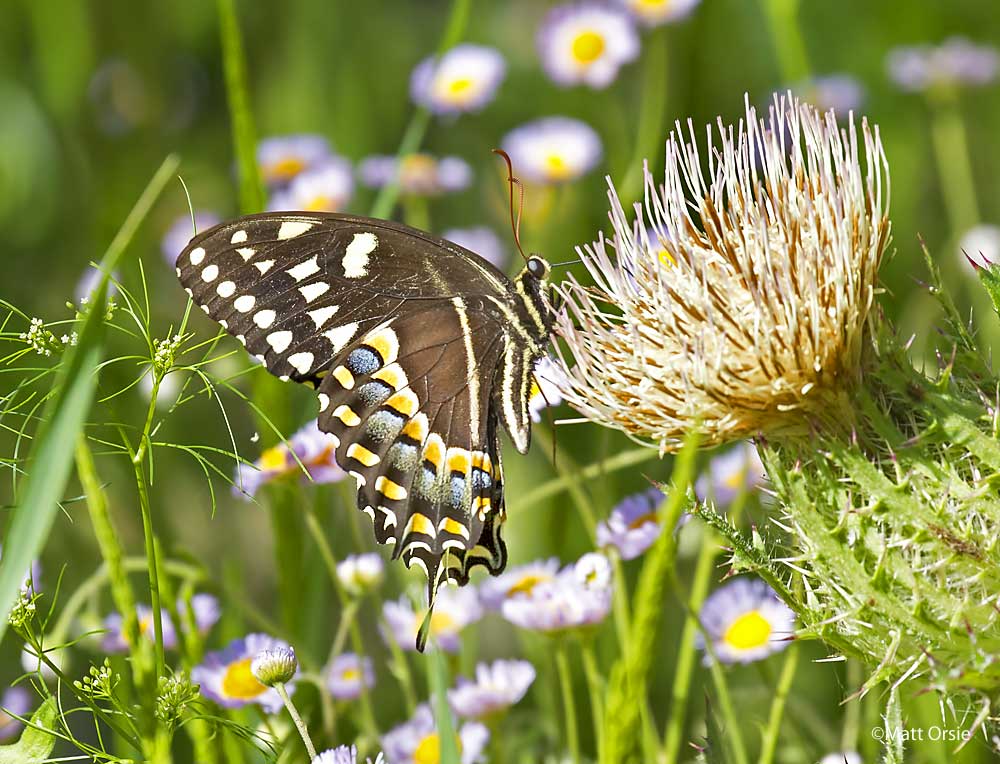
Mike Smith, Barry Marts and I had a great trip to the southeast coast of North Carolina over the weekend. We missed species like Yucca Giant-Skipper most likely because we arrived too late for their flight. The remnants of the Altantic Holly Azure flight was seen. The three indivduals we saw were very worn with much scale loss giving the ventral side a “brownish” look. However, we arrived on the cusp of newly emerging species like Little Metalmark and satyrs. We visited Holly Shelter Gameland, Fort Macon State Park and Croatan National Forest. Fort Macon SP harbors northern populations of Crystal Skipper (Note, as of 12-15 this species has now been described…). We hope to go back in August in quest of some of the grass skipper specialties. A total of 24 species was seen.

Species List
* = lifer   
H = Holly Shelter  F = Fort Macon SP  C = Croatan National Forest

  Silver-spotted Skipper    H      Cloudless Sulphur      H
  Northern Cloudywing       F      Juniper Hairstreak     F
 *Southern Cloudywing       H      Red-banded Hairstreak  H
 *Confused Cloudywing       H,F   *Atlantic Holly Azure   C
 *Zarruco Duskywing (male)  H     *Little Metalmark       H,C
  Common Checkered-Skipper  F      Red-spotted Purple     C
  Dusted Skipper            H,C    Pearl Crescent         H,C
 *Crystal Skipper            F      Red Admiral            H,C
 *Reversed Roadside-Skipper H,C    American Lady          H
  Eastern Tiger Swallowtail C     *Southern Pearly-Eye    H,C
  Black Swallowtail         H      Little Wood-Satyr      C
  Palamedes Swallowtail     H,C    Carolina Satyr         H,C

Click on any image below to enlarge

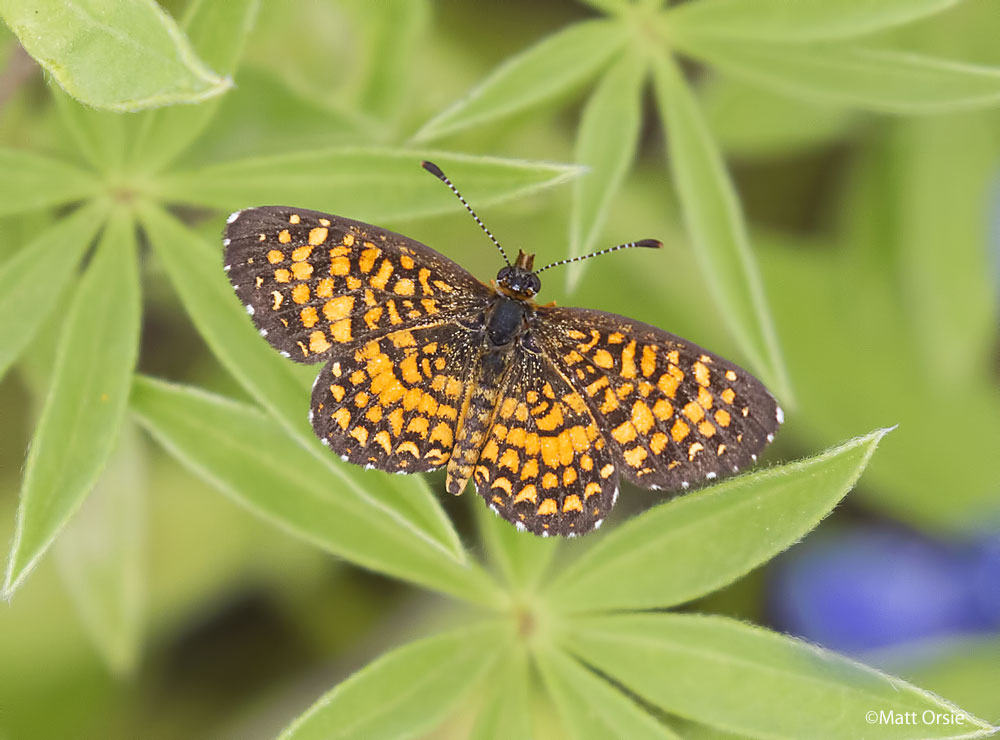
Little Metalmark Palamedes Swallowtail
Southern Cloudywing Confused Cloudywing
Reversed Roadside-Skipper Reversed Roadside-Skipper
Crystal Skipper Crystal Skipper
Zarucco Duskywing Zarucco Duskywing
Southern Pearly-Eye Dusted Skipper
Posted in Blues, Brush-footed, Duskywings, Gossamer-winged, Metalmarks, Satyrs, Skippers, Swallowtails | Leave a comment

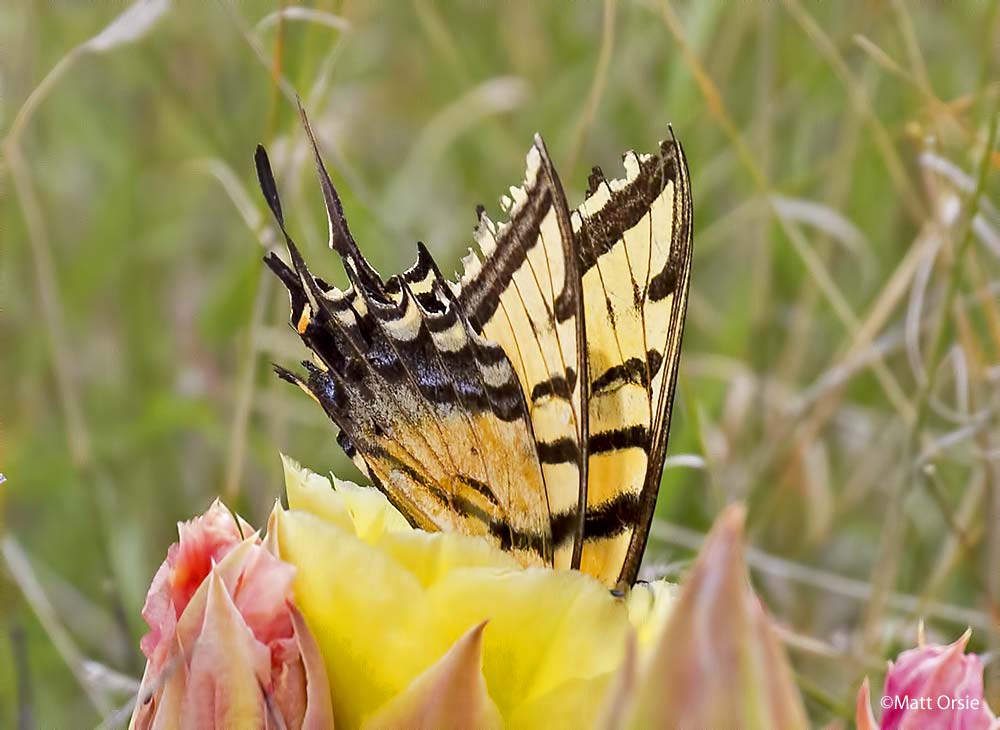
Big Bend National Park and the Edwards Plateau

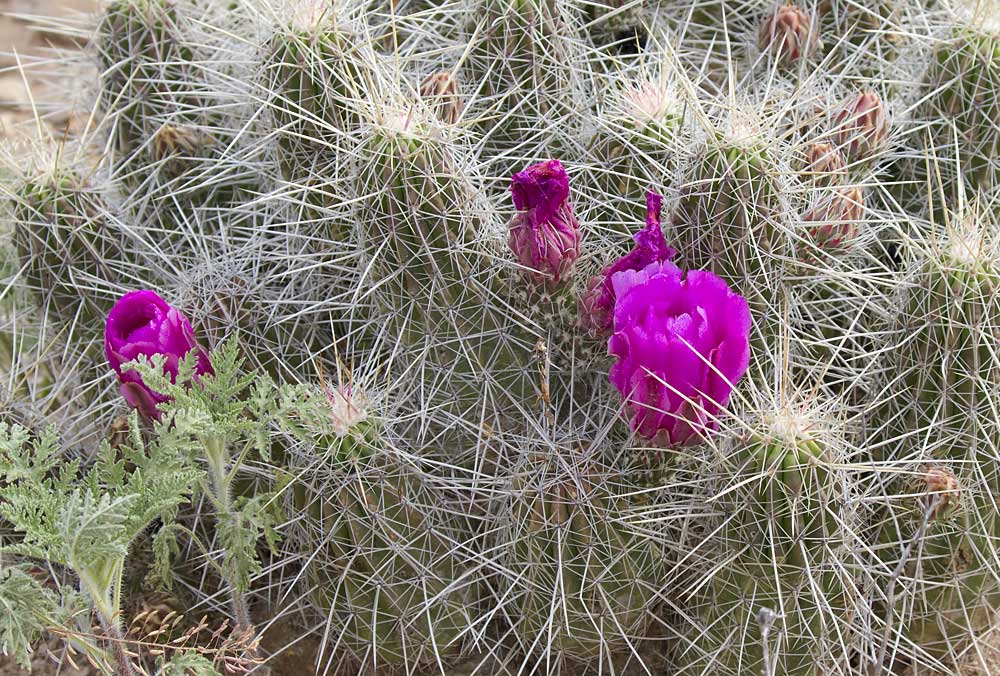
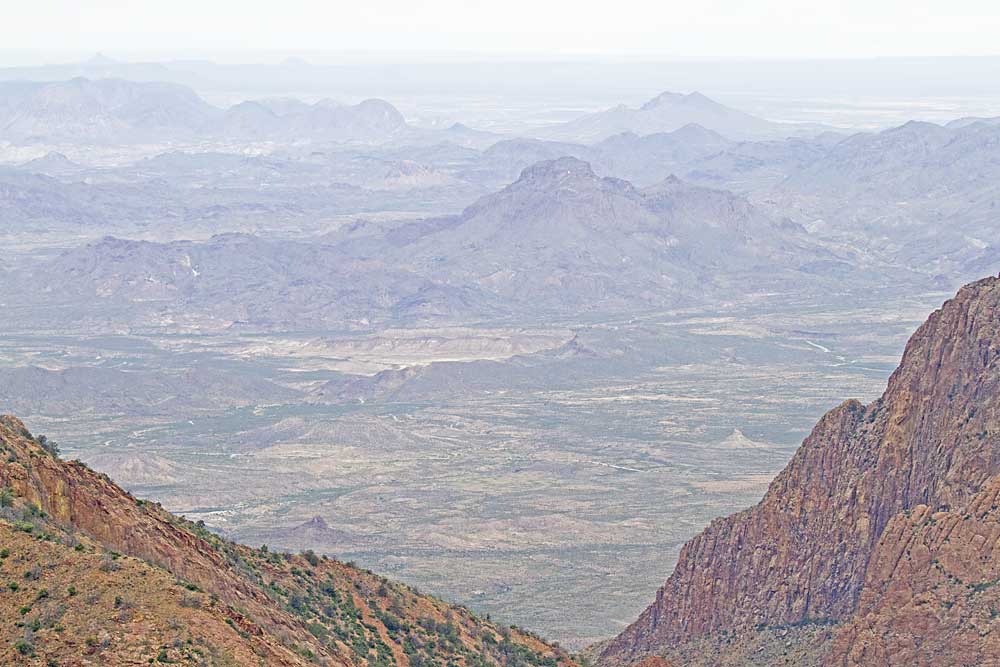
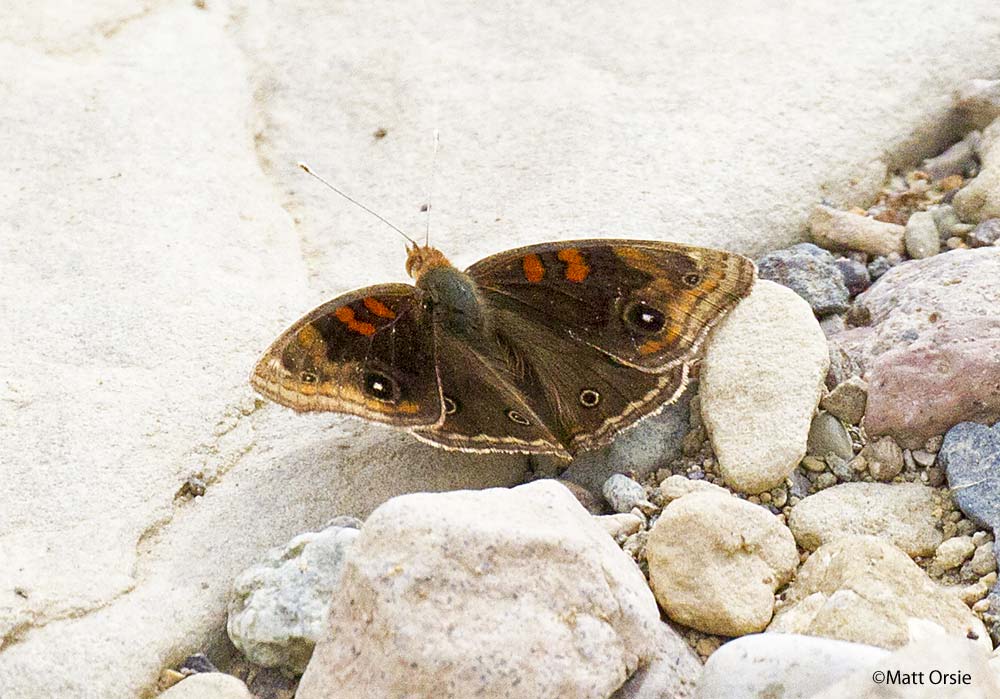
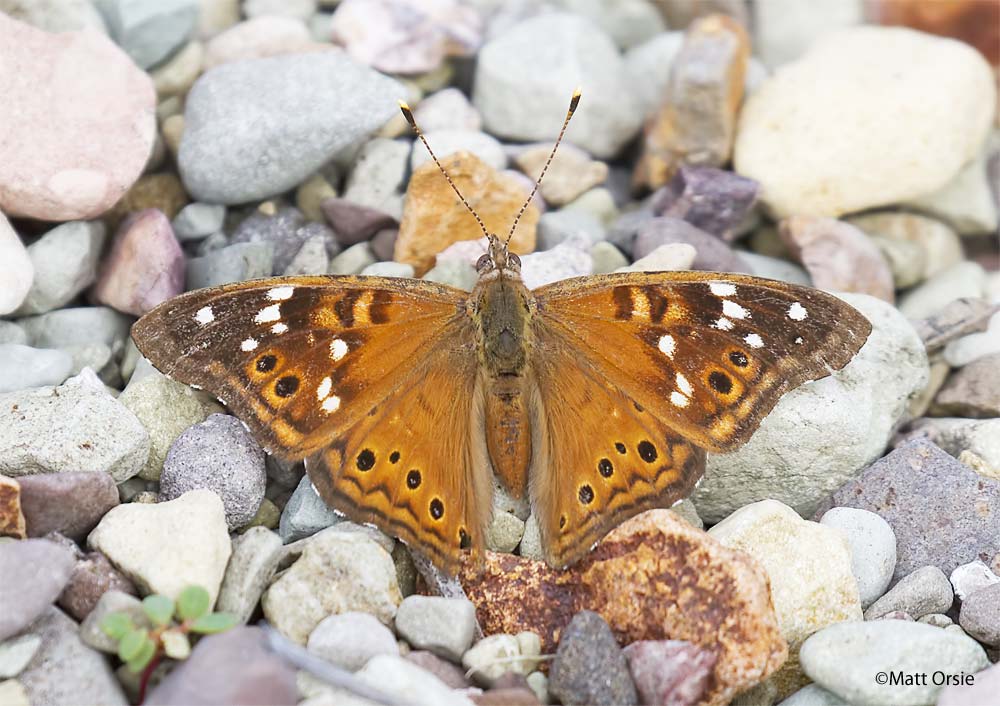
I finally made the trip out to Big Bend National Park in west Texas. The main reason was to find Colima Warbler in the Chisos mountains. This is the only location in the lower 48 where you can see the species. The Chisos mountains are at its extreme northern range. I also spent the better part of three days looking for butterflies from the lower desert valleys at 2,700 ft to the Chisos Basin, elevation 5,400 ft. Temperatures ranged from 90 in the lower valleys to the 70’s and lower 80’s at the basin. Temps were even cooler higher up at around 6,5,00 to 7,400 ft during the hike for the warbler. This year has been an exceptional rainy winter/early spring for the region (exceptional being relative to the desert). Wildflowers / cactus were in bloom everywhere in a stunning array of colors. The views from the Chisos mountains were also spectacular:
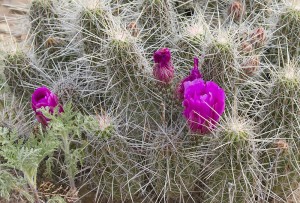
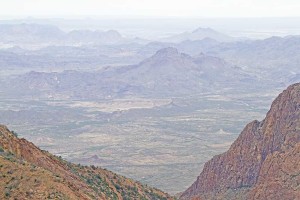
c9919_cactus   Boot Canyon Trail

I stayed in a Ghost Town called Terlingua. This is about 30 miles west of the park. It has been partly renovated with a cafe, store, bar & grill and a few lodging options.

Terlingua Ghost Town

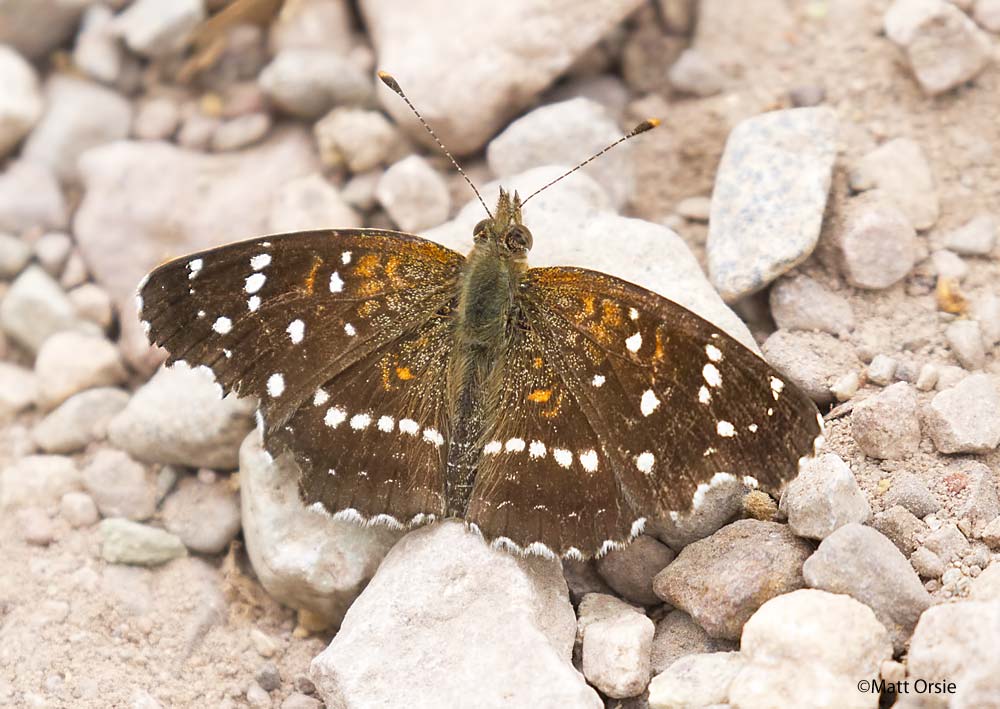
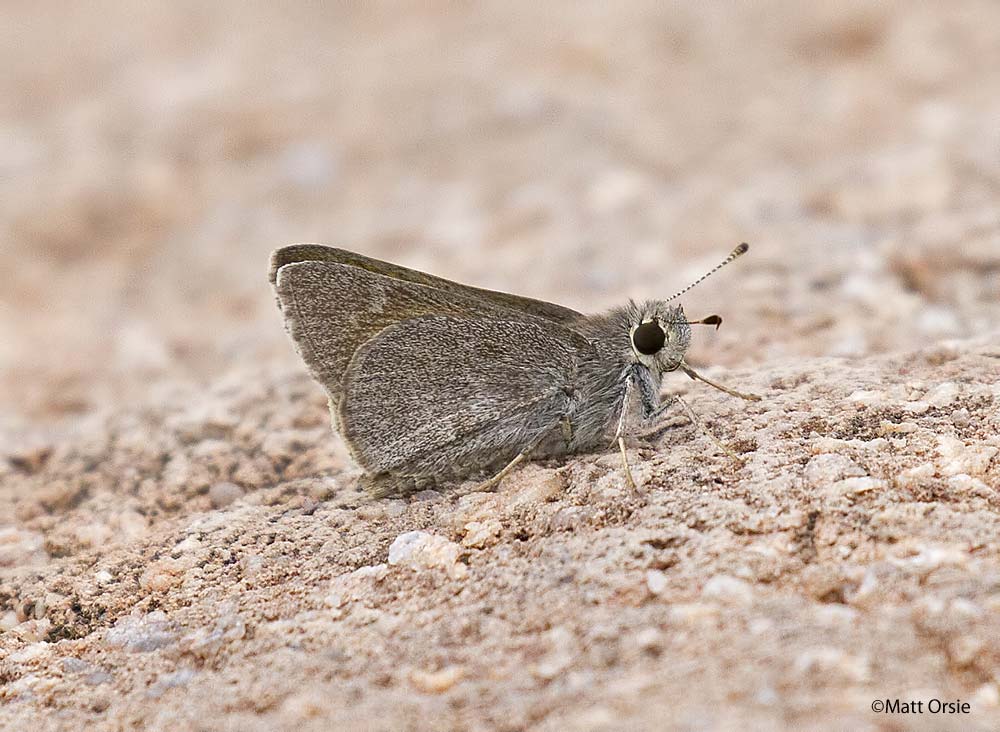
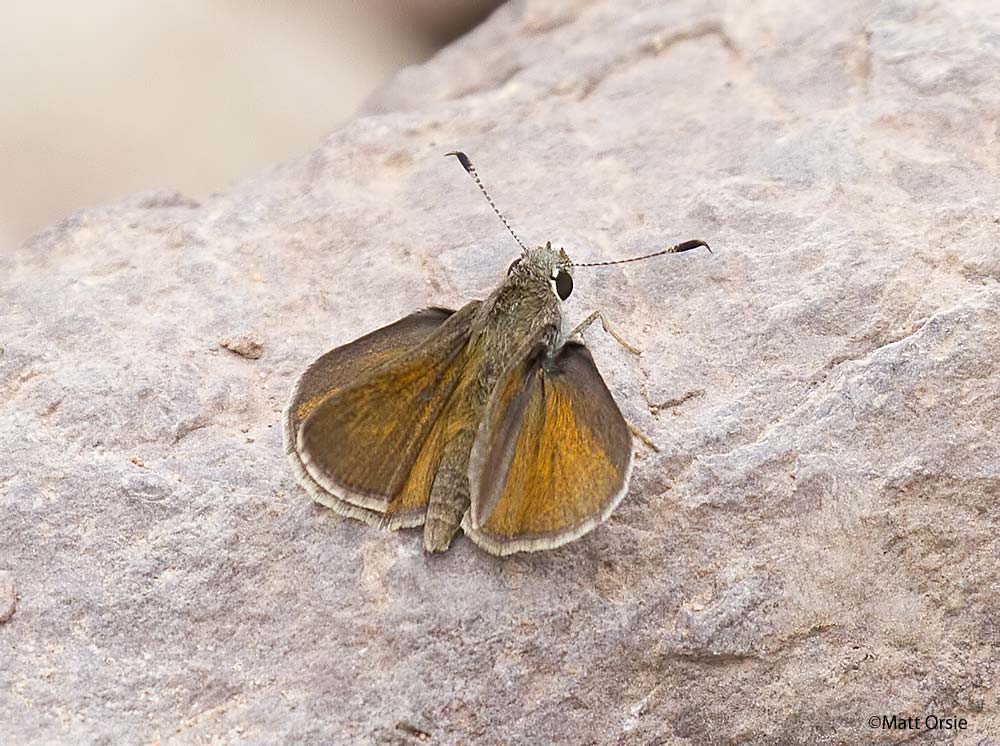
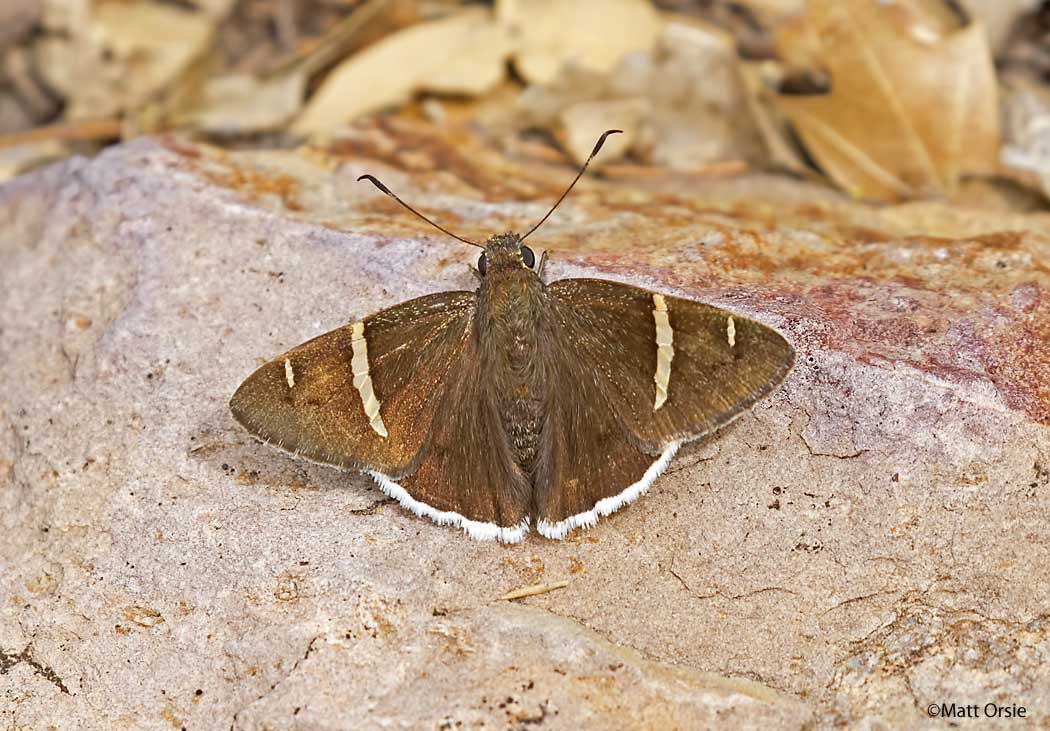
Big Bend provides many habitats for leps ranging from desert scrub to Pinyon Pine/Douglas Fir highlands. It hosts a few specialties like Chisos Banded-Skipper which is only found in the immediate area. Big Bend also hosts other species that are more common there due to the proimity to Mexico. In all I saw 49 species of which 20 where lifers. Two of the lifers (Desert Checked Skipper, Green Skipper) were seen in the Edwards Plateau region which is located NW of San Antonio. Here, the bedrock consists primarily of limestone, with elevations ranging between 100 and 3000 ft. Caves are numerous. I visited Kerr Wildlife Management Area which hosts breeding Black-capped Vireo and Golden-cheeked Warbler, the later being the second rarest warbler in the U.S.

It will get hot you’ll drink gallons of water in the dry climate. But all worth it in the end.

Species List
* = lifer

*Chisos Banded Skipper                 Sleepy Orange
 Acacia Skipper                        Dainty Sulphur
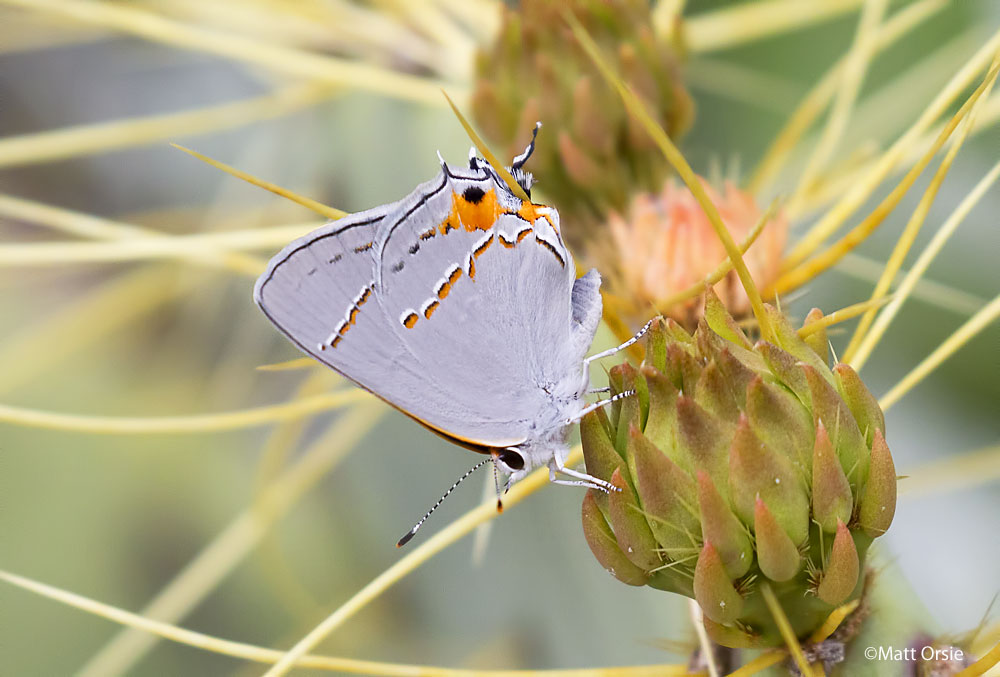
*Golden-headed Scallopwing             Gray Hairstreak
*Arizona Powdered Skipper              Mallow-scrub Hairstreak
 Sleepy Duskywing                     *Acmon Blue
*Rocky Mountain Duskywing                    Marine Blue
*Mournful Duskywing                    Western Pygmy-Blue
 Common/White Checkered-Skipper        Reakirt's Blue
*Desert Checkered-Skipper             *Rawson's Metalmark
*Common Streaky-Skipper                Queen
 Common Sootywing                      Variegated Fritillary
*Orange Skipperling                    Red-spotted Purple
*Green Skipper                         Arizona Sister
 Dun Skipper                           Empress Leilia
*Sheep Skipper                         Bordered Patch
*Bronze Roadside-Skipper              *Elada Checkerspot
*Oslar's Roadside-Skipper              Vesta Crescent
*Nysa Roadside-Skipper                *Texan Crescent
 Black Swallowtail                     Common Buckeye
*Two-tailed Swallowtail               *Tropical Buckeye
 Checkered White                       Question Mark
 Orange Sulphur                        Red Admiral
 Southern Dogface                     *Tropical Leafwing
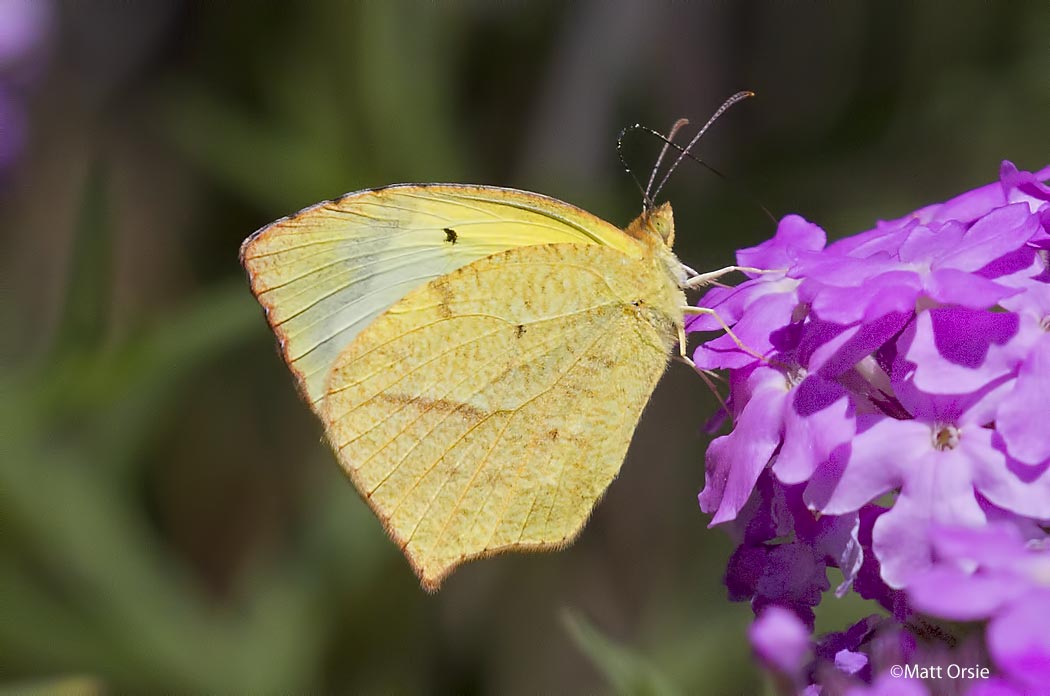
*Mexican Yellow

Click on any image below to enlarge
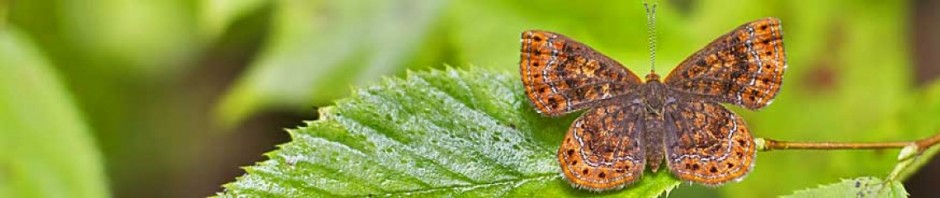
Gray Hairstreak Orange Skipperling
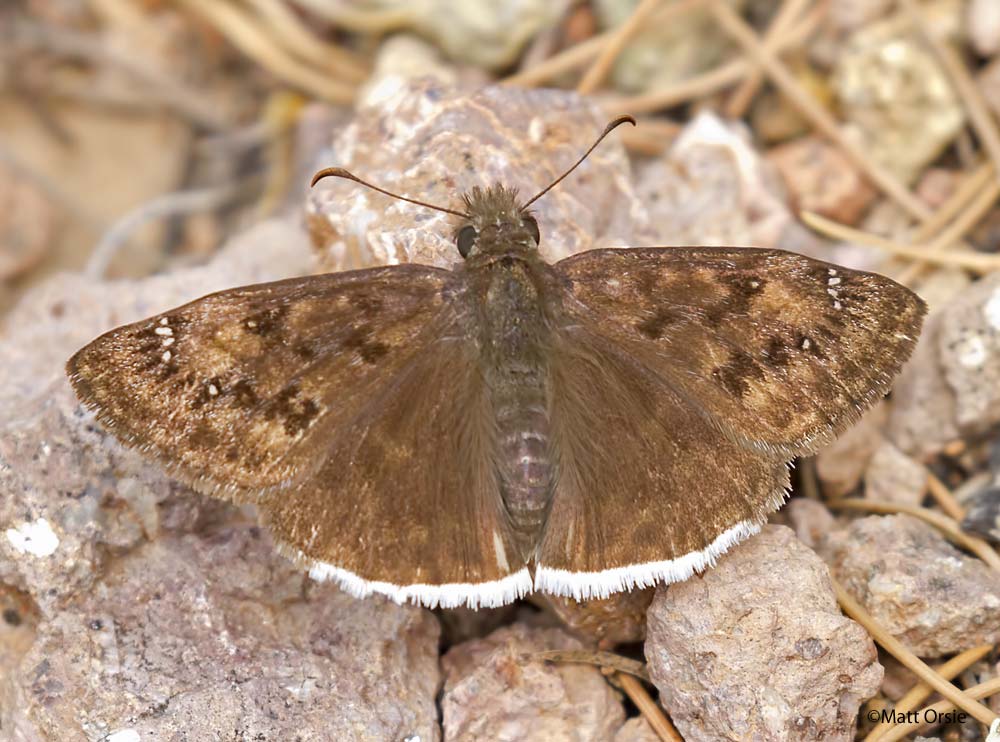
Acmon Blue Acmon Blue
Common Streaky-Skipper Bronze Roadside-Skipper
Tropical Buckeye Empress Leilia
Nysa Roadside-Skipper Nysa Roadside-Skipper
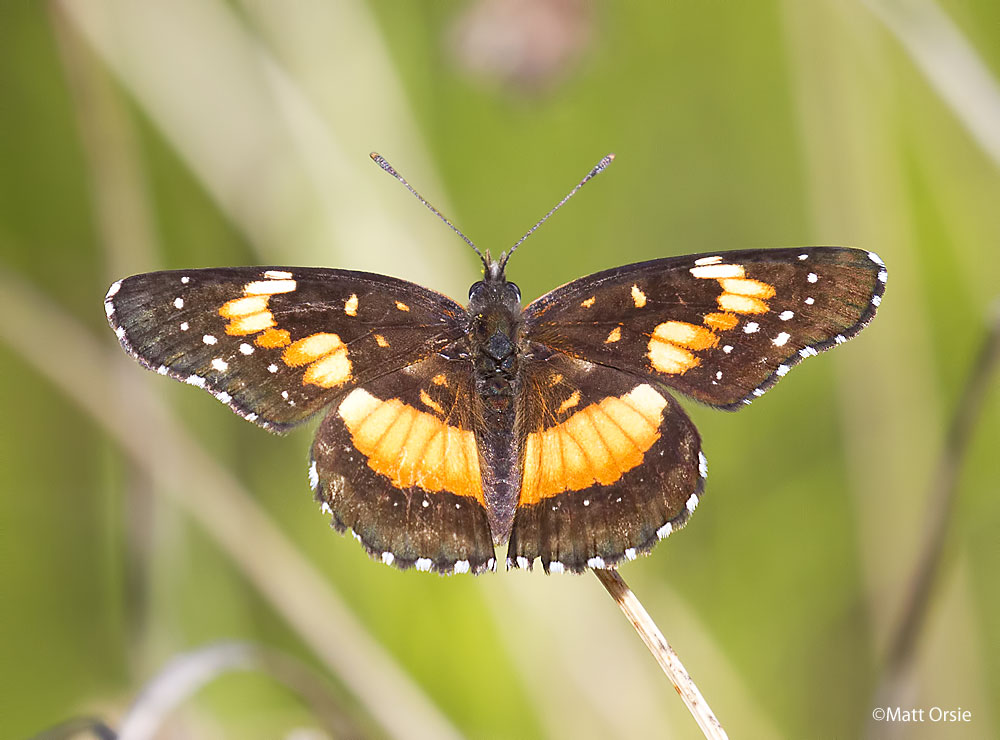
Two-tailed Swallowtail Texan Crescent
Oslar's Roadside-Skipper Oslar's Roadside-Skipper
Arizona Powered Skipper Rocky Mountain Duskywing
Chisos Banded-Skipper Mournful Duskywing
Bordered Patch Mexican Yellow
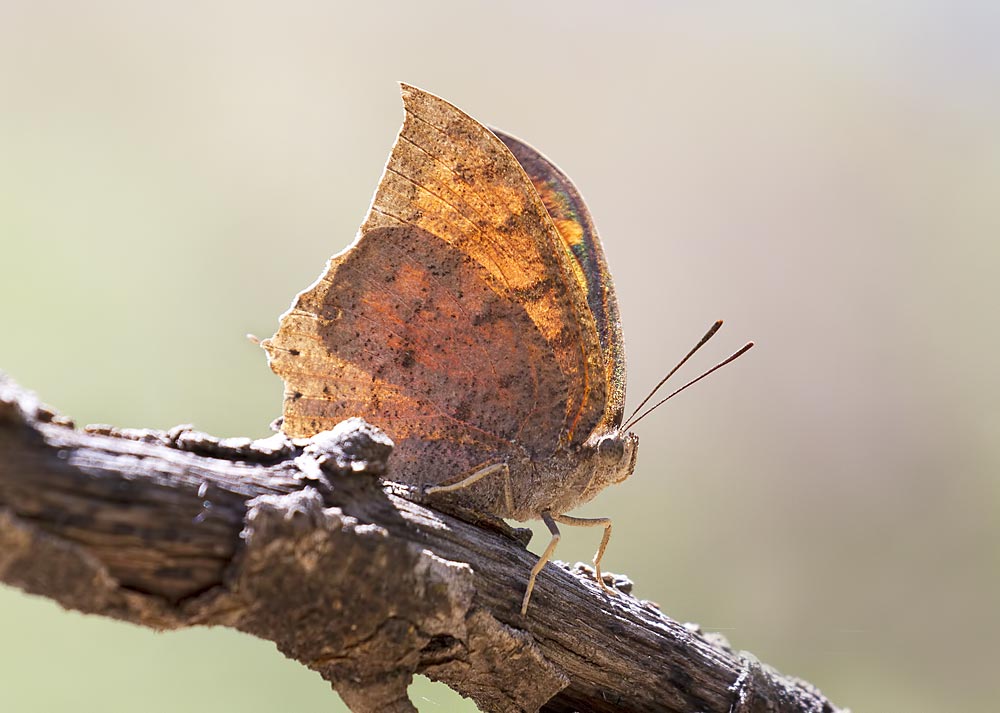
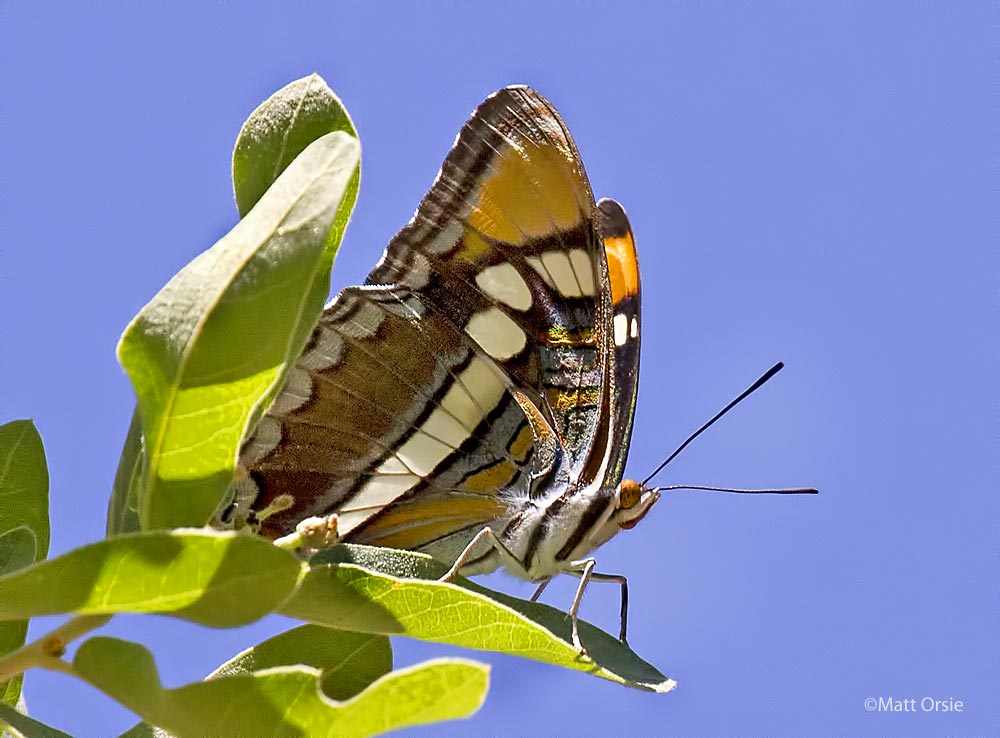
Tropical Leafwing Arizona Sister
Dun Skipper Elada Checkerspot
Green Skipper Green Skipper
Desert Checkered-Skipper Desert Checkered-Skipper
Posted in Blues, Brush-footed, Duskywings, Gossamer-winged, Metalmarks, Remote Trip, Skippers, Swallowtails, Whites and Sulphurs | 2 Comments